
Irresistible Greek Saganaki: Perfectly Fried Cheese Delight
Last Updated on May 8, 2026 by juliarecipez
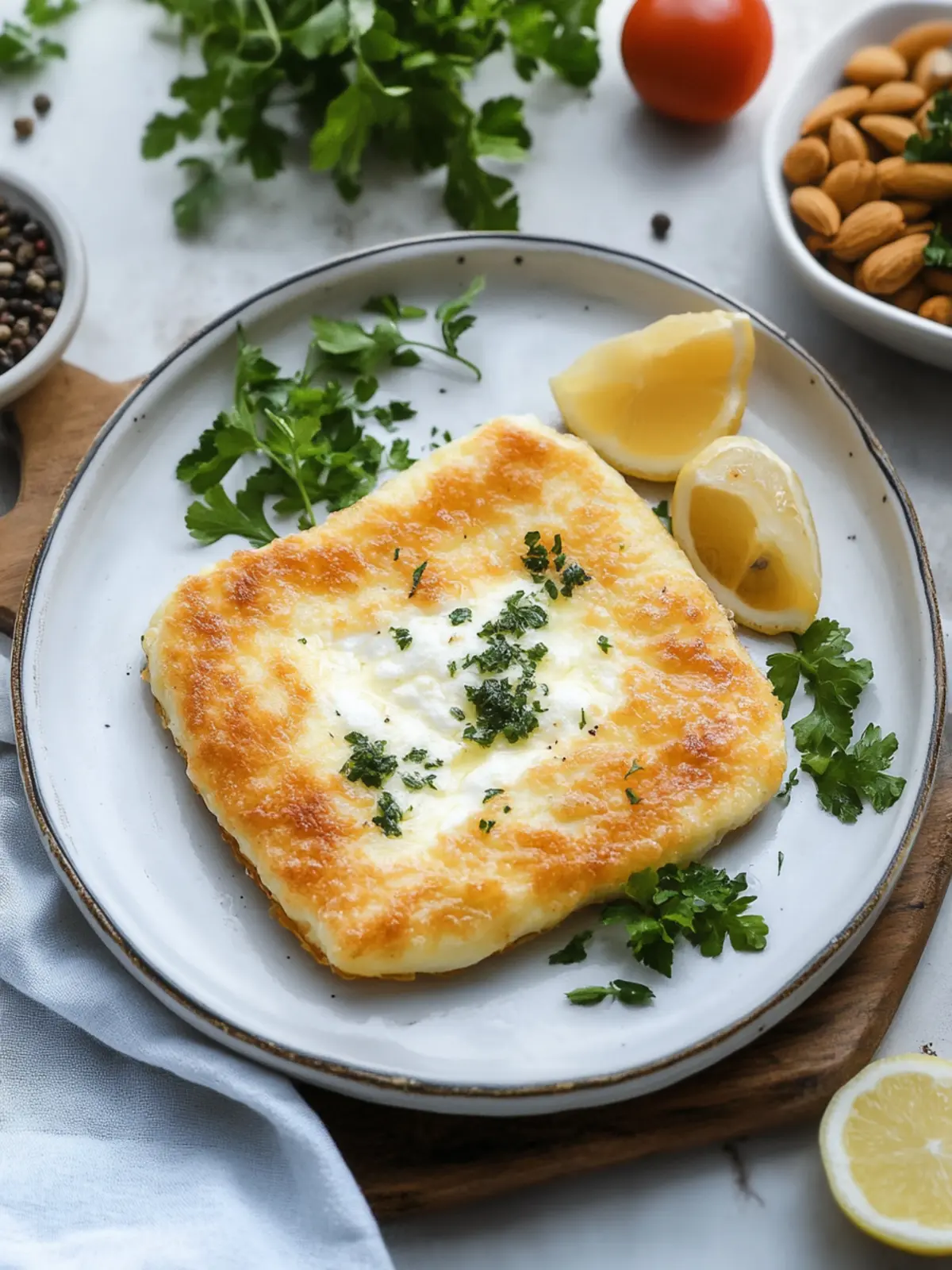
There s nothing quite like the intoxicating sound of sizzling cheese hitting a hot skillet, and that s exactly what you ll experience with my crispy Saganaki recipe. This delightful Greek appetizer captures the essence of Mediterranean cuisine with just a few simple ingredients. When I first tasted Saganaki during a sun-soaked holiday in Greece, I was captivated by the golden crust that gave way to a gooey, warm center. Every bite was a celebration a perfect blend of richness and zest, especially when accompanied by a spritz of lemon.
Whether you’re hosting a gathering or simply craving something indulgent, this fried cheese dish is a showstopper. Its ease of preparation makes it an ideal choice for busy weeknights or impromptu get-togethers. Plus, with variations like graviera or kasseri, you can tailor it to your taste. Get ready to impress your friends and family with this mouthwatering treat that embodies the warmth and joy of Greek hospitality!

Why is Greek Saganaki (Fried Cheese) a Must-Try?
Irresistible, this crispy fried cheese is sure to steal the show!
Simplicity at its core, with just a few ingredients that pack a punch.
Crowd-Pleaser, perfect for gatherings or as a delightful snack.
Versatile, easily adapt the cheese choice for unique flavor twists.
Sizzling Experience, the sound of frying cheese creates instant excitement.
Gourmet Touch, serves restaurant-quality elegance right from your kitchen.
Elevate your appetizer game and wow your guests with these golden bites of deliciousness! Don’t forget to check out our guide to making impressive appetizers for more sensational ideas.
Greek Saganaki (Fried Cheese) Ingredients
For the Cheese
- Firm Greek Cheese (Graviera, Kasseri, or Kefalotyri) Choose a cheese that holds its shape when fried, ensuring a perfect melt.
For the Coating
- All-Purpose Flour This creates a crispy crust; substitute with gluten-free flour if needed.
- Freshly Ground Black Pepper Adds flavor; adjust the amount to your preference.
For Frying
- Olive Oil Opt for high-quality extra-virgin olive oil for rich flavor during frying.
For Serving
- Lemon Wedges Squeezing lemon over the cheese enhances the rich flavor, making every bite bright and zesty.
- Fresh Parsley (optional) Use as a garnish for added freshness and color to your presentation.
Get ready to create the best Greek Saganaki (Fried Cheese) that will surely impress your guests!
How to Make Greek Saganaki
Pat Dry the cheese slices. Start by using a clean kitchen towel or paper towel to remove excess moisture from your cheese slices. This helps the flour stick better and prevents sogginess during frying.
Prepare the Coating by mixing flour and a pinch of freshly ground black pepper on a plate. Lightly coat each cheese slice with the flour mixture, making sure to shake off any excess for an even, crispy crust.
Heat Olive Oil in a skillet over medium-high heat. Wait until it shimmers but doesn’t smoke this indicates that it’s ready for frying.
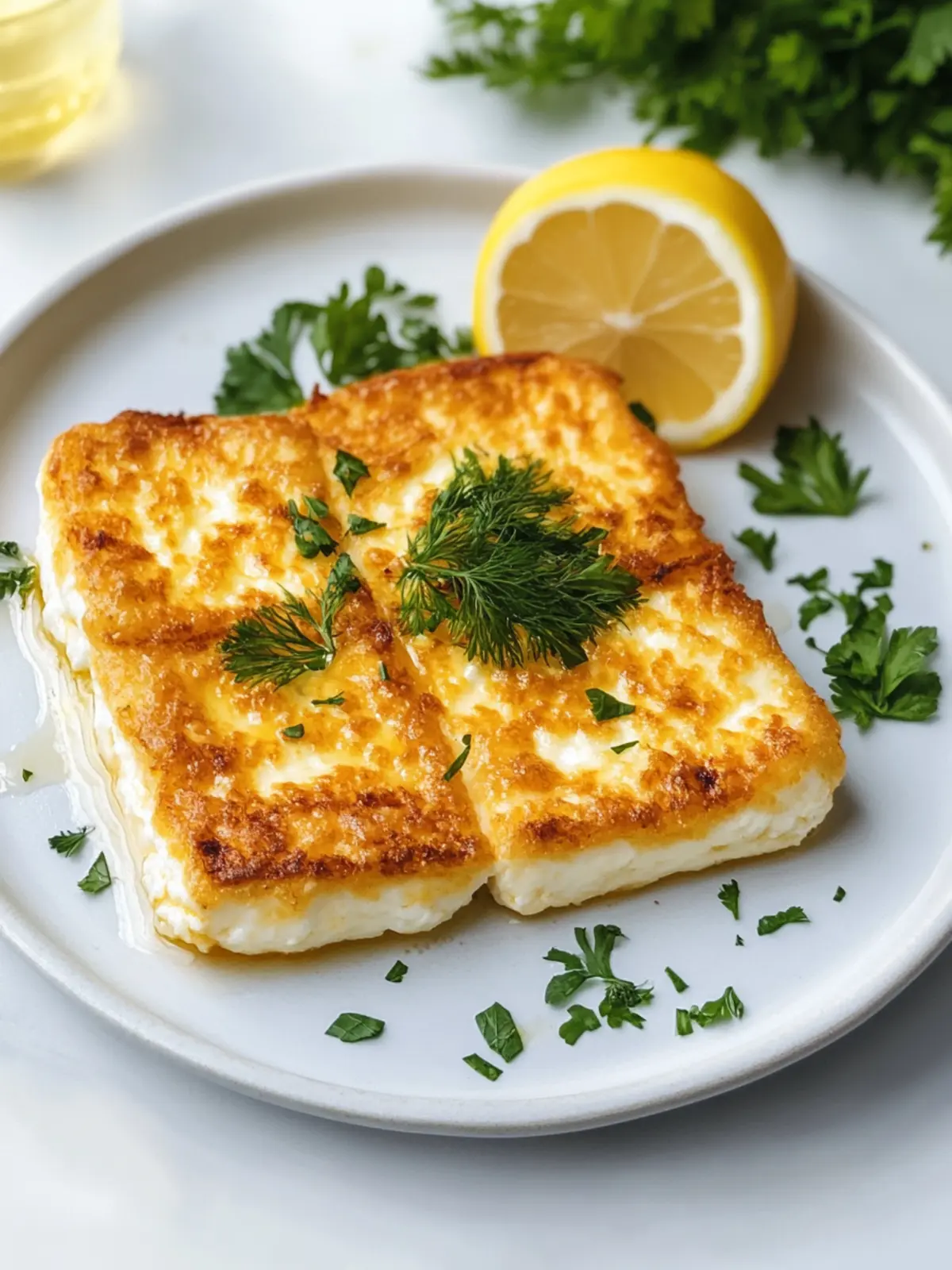
Fry the Cheese in batches of 1-2 slices. Cook each side for about 1-2 minutes, or until the cheese is golden brown and begins to ooze. Avoid overcrowding the pan to keep the oil temperature steady.
Flip the Cheese carefully to crisp the other side. Fry for another 1-2 minutes until both sides achieve that glorious golden hue and the inside is wonderfully melty.
Drain Excess Oil by transferring the fried cheese to a paper towel-lined plate. Repeat the process with any remaining slices, letting them drain while the rest are frying.
Serve Warm on a platter, squeezing fresh lemon juice over the top for a delightful burst of flavor. Enjoy immediately with extra lemon wedges on the side for those who love that zesty touch!
Optional: Garnish with fresh parsley for an added pop of color.
Exact quantities are listed in the recipe card below.
Greek Saganaki (Fried Cheese) Variations
Feel free to mix things up and make this dish your own with some exciting twists!
Halloumi: Swap graviera for halloumi for a deliciously chewy texture that holds up well when fried.
Herbed Flour: Add dried oregano or paprika to the flour coating for a burst of fragrant Mediterranean flavor in every bite.
Spicy Kick: Incorporate a pinch of cayenne pepper into the flour mixture if you’re craving some heat with your cheesy goodness.
Zesty Dip: Serve with a tangy tzatziki sauce on the side for a refreshing contrast to the rich, fried cheese.
Vegetable Pairings: Pair Saganaki with grilled vegetables like zucchini or peppers for a vibrant, nutritious addition to your appetizer spread.
Stuffed Options: Try stuffing your cheese with a thin layer of sun-dried tomatoes or olives before frying for a surprise flavor sensation.
Fried Eggplant: For a delightful vegetable twist, use sliced eggplant instead of cheese, following the same frying process for a unique meze experience.
Citrus Infusion: Mix lemon zest into the flour to give a bright, citrusy twist that enhances the dish’s overall flavor profile.
Let your creativity shine, and enjoy the art of cooking with these delightful variations!
Make Ahead Options
Saganaki is perfect for meal prep enthusiasts! You can prep the cheese slices and coat them in flour up to 24 hours in advance. Simply pat them dry, season, and store them in an airtight container in the fridge, ensuring they don’t stick together. This way, when you’re ready to enjoy your Greek Saganaki, all you need to do is heat the olive oil and fry them straight from the fridge. To maintain the crispy texture, avoid refrigerating for more than a day, as prolonged storage may dampen the coating. Once fried, serve immediately with a squeeze of lemon for that fresh burst of flavor. Enjoy that golden, cheesy goodness with minimal effort!
Expert Tips for Greek Saganaki
Choose the Right Cheese: Use firm cheeses like graviera, kasseri, or kefalotyri for the best results; they maintain their shape and texture when fried.
Pat Dry Thoroughly: Removing moisture from the cheese slices ensures they fry up crispy. Skipping this step can lead to a soggy crust.
Monitor Oil Temperature: The oil should shimmer but not smoke. Proper heating prevents sogginess, ensuring your Greek Saganaki gets that delightful crunch.
Avoid Overcrowding: Frying too many slices at once drops the temperature of the oil, resulting in uneven cooking. Stick to 1-2 slices per batch for perfect results.
Experiment with Flavors: Feel free to add herbs or spices to the flour coating, like oregano or paprika, for an extra flavor kick that complements the cheese beautifully.
How to Store and Freeze Greek Saganaki
Fridge: Store leftover Greek Saganaki in an airtight container for up to 2 days. This will keep the cheese from drying out but may affect its crispiness.
Reheating: To restore the crispy texture, reheat in a skillet over medium heat for a few minutes on each side until golden and warmed through.
Freezer: For longer storage, freeze uncooked cheese slices coated with flour in a single layer on a baking sheet. Once frozen, transfer to an airtight container for up to 1 month.
Thawing: To prepare, thaw in the fridge overnight and fry according to directions for delightful, freshly cooked Saganaki.
What to Serve with Greek Saganaki (Fried Cheese)?
Elevate your appetizer spread with delightful accompaniments that will wonderfully complement this crispy, indulgent treat.
- Crusty Bread: Perfect for soaking up the warm cheese and lemon juice, providing a satisfying contrast in texture.
- Greek Salad: A fresh medley of cucumbers, tomatoes, and olives adds brightness and crunch, balancing the cheese’s richness seamlessly.
- Olives: The tanginess of olives enhances the flavors of the Saganaki, making each bite a taste of the Mediterranean.
- Tzatziki Sauce: Creamy and cool, this yogurt-based dip adds a refreshing zing to the warm cheese and keeps the palate engaged.
- Grilled Vegetables: Charred zucchini, bell peppers, and eggplant provide a smoky flavor that pairs beautifully with the cheese while maintaining a healthy balance.
- Ouzo or Retsina: These traditional Greek drinks enhance the dining experience, offering aromatic notes that resonate with the flavors of the Saganaki.
- Honey Drizzle: For a sweet twist, a drizzle of honey atop the fried cheese creates a delightful contrast between sweet and savory.
Gather these elements to create a vibrant spread that captures the essence of joyous Greek dining!
Greek Saganaki (Fried Cheese) Recipe FAQs
What type of cheese should I use for the best Greek Saganaki?
Absolutely! For the best results, choose firm Greek cheeses like graviera, kasseri, or kefalotyri. These cheeses not only hold their shape when fried but also provide the rich flavor and creamy texture that define Saganaki. Look for cheeses that feel solid and have a pleasant aroma.
How long can I store leftover Greek Saganaki?
Very! You can store leftover Greek Saganaki in an airtight container in the fridge for up to 2 days. However, to maintain that delightful crispiness, it’s best to reheat them in a skillet over medium heat for a few minutes on each side until they re golden and warmed through.
Can I freeze Greek Saganaki? How?
Absolutely! To freeze uncooked Saganaki, coat the cheese slices in flour and place them in a single layer on a baking sheet. Freeze until solid, then transfer to an airtight container for up to 1 month. When you re ready to fry them, simply thaw in the fridge overnight and fry according to the original instructions.
What should I do if my fried cheese isn’t crispy?
If your Greek Saganaki isn t crisping up, there are a few things to check. First, ensure the cheese was completely dry before coating with flour; excess moisture can lead to a soggy crust. Also, make sure the oil is hot enough when you start frying if it doesn’t sizzle when the cheese touches the pan, it s not hot enough. Frying in smaller batches also helps maintain oil temperature, ensuring even cooking.
Are there any dietary considerations with Greek Saganaki?
Yes! Greek Saganaki traditionally includes dairy, so it s not suitable for those who are lactose intolerant or have a dairy allergy. If you re looking for a non-dairy alternative, you could try using vegan cheeses specifically designed for frying. Additionally, ensure that any flour substitutions, like gluten-free flour, accommodate those with gluten sensitivities.
What can I serve alongside Greek Saganaki?
Serving suggestions are plentiful! Pair your Saganaki with crusty bread, olives, and a fresh salad for a complete appetizer experience. Adding a few lemon wedges enhances the flavor beautifully, so don t forget to include those!