
Korean Naengmyeon: The Ultimate Cold Noodle Refreshment
Last Updated on May 8, 2026 by juliarecipez
As the sun blazes high and the heat weaves its way into our daily meals, I crave something refreshing and utterly satisfying. That s when Naengmyeon, or Korean cold noodle soup, comes to my mind it’s like a breath of fresh air in a bowl! With its chewy buckwheat noodles nestled in a savory, chilled broth, this dish brings a delightful mix of texture and flavor that dances on your palate.
Last summer, while gathering with friends on a scorching afternoon, we discovered the magic of these noodles together. It turned out to be the perfect remedy for our craving for something light yet fulfilling. Whether you opt for Mul Naengmyeon, which bathes the noodles in a savory broth, or Bibim Naengmyeon, tossed in a tangy spicy sauce, each version promises to awaken your senses.
Join me as we explore this delightful dish that embodies the essence of Korean cuisine, offering a unique and tasty way to beat the summer heat. Let s dive into making Naengmyeon a star at your dinner table!
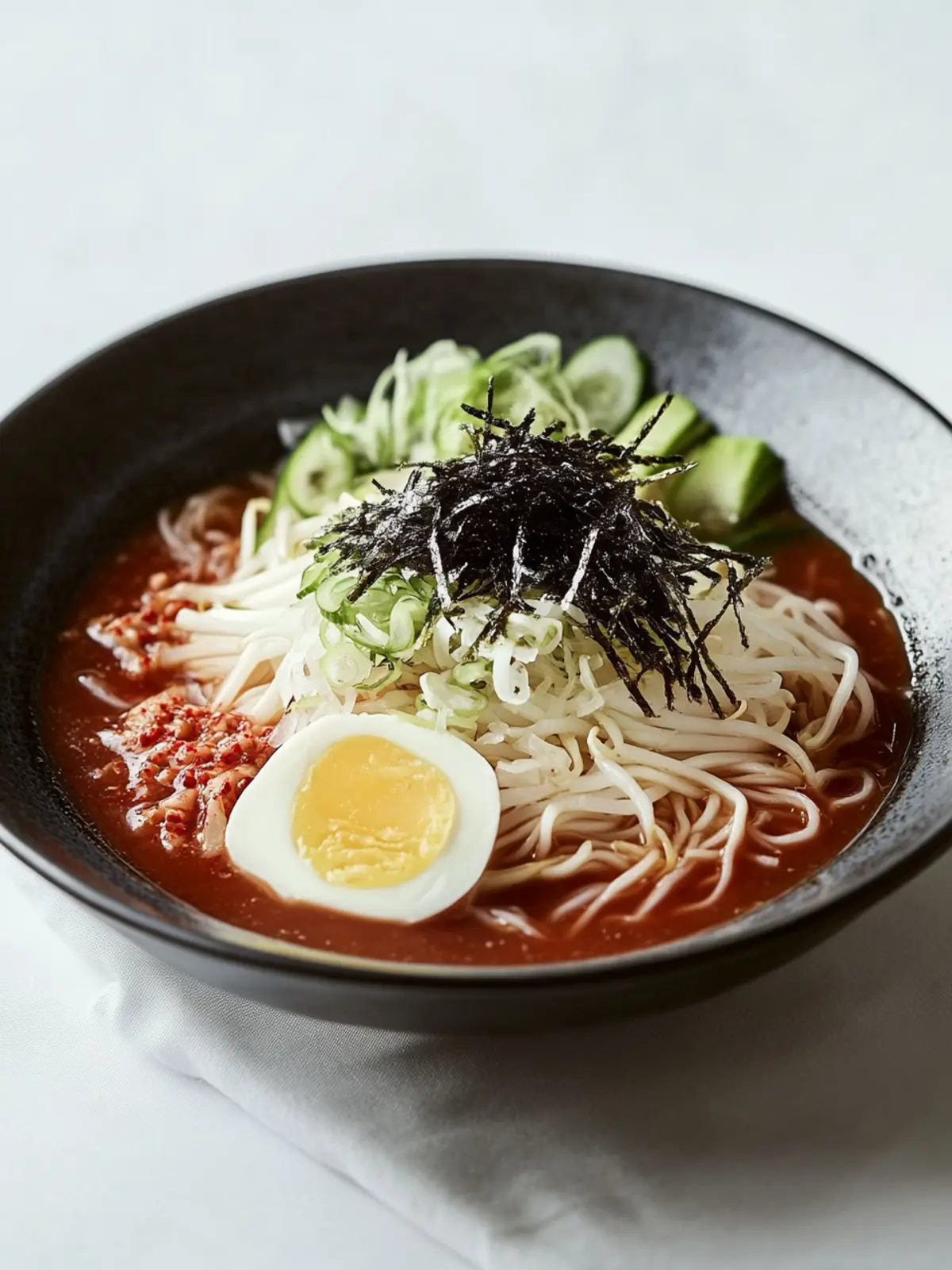
Why is Korean Naengmyeon a Summer Favorite?
Refreshing and cooling, Korean Naengmyeon is the ultimate answer to hot summer days! Versatile in its variations, whether you prefer the savory Mul Naengmyeon or the spicy Bibim Naengmyeon, there’s a perfect fit for every palate. Quick preparation means you can whip it up effortlessly, making it a fantastic choice for busy weeknights. Nutrient-rich, packed with vegetables and proteins, it s a wholesome meal that won t weigh you down. Crowd-pleaser appeal ensures everyone at the table will enjoy it, from kids to adults perfect for gatherings or casual dinners. Explore more about this dish and impress your friends with your kitchen skills!
Korean Naengmyeon Ingredients
For the Broth
Beef Broth Provides a savory base for the soup; substitute with chicken or vegetable broth for a different flavor.
Dongchimi Brine Adds a unique tang; can be replaced with a mix of water and a splash of vinegar.
Sugar Balances the flavors in the broth; optional for those reducing sweetness.
Rice Vinegar Enhances tanginess; can be substituted with apple cider vinegar.
Soy Sauce Adds umami; use tamari for a gluten-free option.
For the Noodles
Naengmyeon Noodles The core ingredient made from buckwheat; arrowroot-based noodles are a great gluten-free alternative.
For the Toppings
Cucumber Provides a refreshing crunch; replace with radish for a spicier flavor.
Korean Pear Adds sweetness; substitute with a regular pear or apple slices.
Boiled Egg Offers creaminess; omit for a vegan version or use tofu instead.
Sliced Beef/Brisket Adds protein and richness; use shredded chicken or tofu as alternatives.
Sesame Seeds Optional garnish for added flavor.
For Customization
Mustard Paste Optional condiment for an extra kick of heat.
Gochugaru (Korean Chili Flakes) Adds heat; omit for a milder dish.
How to Make Korean Naengmyeon
Prepare the Broth: In a large bowl, mix together beef broth, dongchimi brine, sugar, rice vinegar, and soy sauce. Stir until the sugar dissolves completely. Chill for at least 2 hours to allow the flavors to meld beautifully.
Cook the Noodles: Bring a large pot of water to a boil, then add the naengmyeon noodles. Cook according to the package instructions (usually 3-4 minutes). Drain and rinse the noodles under cold water until completely chilled this step is crucial for that perfect bouncy texture.
Prepare the Toppings: While the noodles chill, julienne the cucumber, thinly slice the Korean pear, and boil the egg until it’s hard, around 9-10 minutes. Don t forget to slice the brisket or cold beef if you re using it for extra protein.
Chill the Broth: Once your broth is nicely chilled, enhance its coldness by adding ice cubes. It s the final touch that makes this dish perfect for hot days!
Assemble the Dish: Divide the noodles evenly into bowls, then gently pour the chilled broth over the top. Artfully arrange your toppings cucumber, pear, egg, and brisket on each bowl. Serve with mustard paste, gochugaru, vinegar, and sugar on the side so everyone can customize their bowl.
Optional: Garnish with sesame seeds for a nice touch of flavor and crunch!
Exact quantities are listed in the recipe card below.
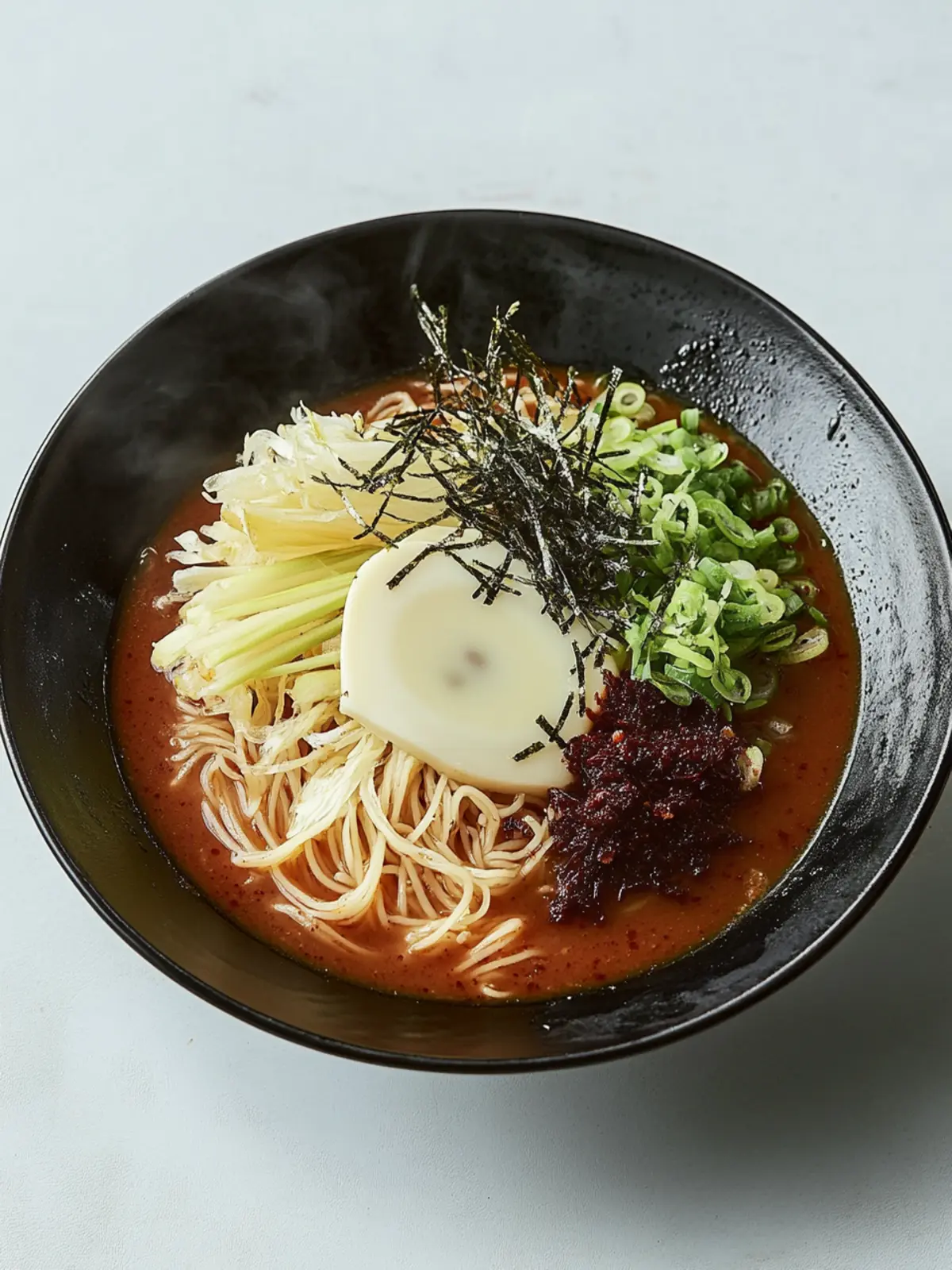
Korean Naengmyeon Variations & Substitutions
Feel free to get creative and tailor this dish to your taste with these delightful twists!
Dairy-Free: Instead of the usual beef broth, use vegetable broth to keep it completely dairy-free while still packed with flavor.
Spicy Kick: Add a dash of sriracha or chili oil to your broth for a spicy kick. This addition brings warmth to the dish without overwhelming the primary flavors.
Noodle Swap: For a gluten-free version, try using rice noodles or quinoa noodles instead of traditional buckwheat naengmyeon.
Vegan Delight: Omit the egg and substitute beef with tofu or tempeh. It’s a fantastic way to keep your dish plant-based but still satisfying!
Flavor Boost: Enhance your broth’s taste by incorporating a splash of sesame oil or a spoonful of miso paste. Both additions will lend depth and richness to the flavor profile.
Crunchy Toppings: Swap out the cucumber for crispy bean sprouts or shredded carrots for an exciting textural twist and crunch in every bite.
Fruit Variations: Experiment with tropical fruits like mango or pineapple in place of Korean pear. Their sweetness adds a refreshing contrast to the savory broth.
Herb Infusion: Elevate the freshness by tossing in a handful of fresh herbs like cilantro or mint as a garnish. Their aroma and flavor will invigorate your dish!
What to Serve with Korean Naengmyeon?
Elevate your summer gathering with delightful accompaniments that beautifully enhance the refreshing flavors of Naengmyeon.
Kimchi: Adds a spicy, tangy crunch that contrasts well with the cold, savory noodles and brightens the entire meal.
Pickled Radish: With its crisp texture and tangy profile, this accompaniment offers a perfect balance to the cold broth, bringing additional refreshment.
Gyoza: These savory dumplings are a delicious pairing. Their warm, crispy exterior and flavorful filling create a lovely textural contrast to chilled noodles.
Cold Tofu Salad: The soft and silky tofu, dressed in a light soy sauce vinaigrette, provides a cool, creamy element that complements the noodles well.
Sliced Watermelon: A sweet and hydrating dessert, watermelon refreshes the palate after the savory noodles, making it an ideal summer treat.
Beverage Suggestions: Serve with chilled barley tea or a light, fruity soju cocktail. The subtle flavors pair beautifully with Naengmyeon, enhancing your dining experience.
Sesame Balls: These sweet, chewy treats bring a delightful crunch to finish the meal on a high note, contrasting the noodle’s soft texture.
For a memorable meal, don t hesitate to mix and match these pairings to create a sumptuous feast that celebrates the essence of Korean cuisine!
How to Store and Freeze Korean Naengmyeon
Fridge: Store any leftover broth in an airtight container for up to 3 days. Keep the noodles and toppings separate to maintain their texture and flavor.
Freezer: You can freeze the broth for up to 2 months. Ensure it’s in an airtight container and thaw it in the refrigerator overnight before use.
Noodles: Naengmyeon noodles can be refrigerated for up to 2 days if stored in a sealed bag with a damp paper towel to prevent drying out.
Reheating: When ready to serve, reheat the broth gently on the stove. If the noodles have been refrigerated, simply rinse them under cold water before adding to the warmed broth.
Make Ahead Options
These Korean Naengmyeon are a lifesaver for busy home cooks wanting to save time during the week! You can prepare the broth and chill it up to 24 hours in advance just mix your beef broth, dongchimi brine, sugar, rice vinegar, and soy sauce, then refrigerate. The naengmyeon noodles can also be cooked ahead and stored in the fridge for about 3 days; remember to rinse them well under cold water to avoid sticking. When you’re ready to serve, simply add ice cubes to the chilled broth and assemble your noodles and toppings. This way, you ll enjoy delicious, refreshing noodles that taste just as great, all while saving precious time!
Expert Tips for Korean Naengmyeon
Rinse Thoroughly: Rinse your naengmyeon noodles under cold water until they’re chilled. This crucial step prevents starch from making them gummy and gives that delightful bouncy texture.
Balance the Broth: Adjust the savory and tangy flavors in the broth to your preference by tasting as you go. The perfect balance will elevate your Korean Naengmyeon experience.
Ice, Ice Baby: For ultimate chill, add ice cubes to your broth before serving. It not only cools the dish quickly but enhances the refreshing quality of the soup.
Perfect Toppings: Arrange toppings aesthetically for a mouthwatering presentation. Crisp cucumber, juicy Korean pear, and savory beef create a beautiful and tempting bowl.
Serve Fresh: Enjoy your assembled naengmyeon immediately after preparation. This ensures the noodles maintain their coolness and the toppings stay crisp!
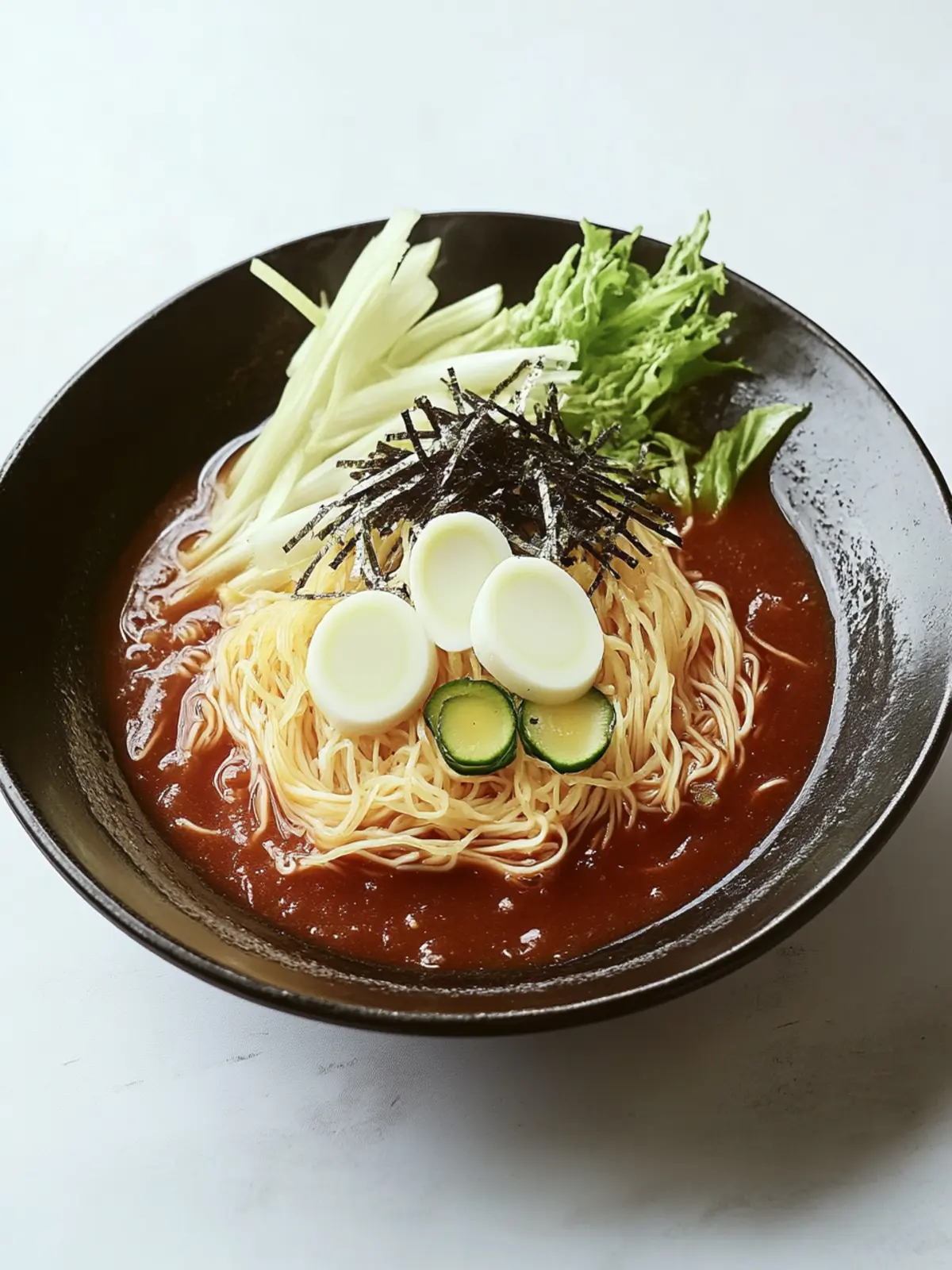
Korean Naengmyeon Recipe FAQs
What type of beef broth should I use for Naengmyeon?
I recommend using a well-seasoned beef broth for a rich and savory flavor. If you’re looking for alternatives, chicken or vegetable broths work well too. Just make sure to taste and adjust the seasoning to maintain that beautifully balanced taste.
How long can I store leftover Korean Naengmyeon?
You can store leftover broth in an airtight container in the fridge for up to 3 days. It’s best to keep the noodles and toppings separate to avoid sogginess. The noodles can be refrigerated for 2 days, while fresh toppings should ideally be consumed within a day for maximum freshness and crunch.
Can I freeze the broth and noodles?
Absolutely! You can freeze the broth for up to 2 months. Just pour it into an airtight container, leaving a little space at the top for expansion when it freezes. For the noodles, I suggest freezing them uncooked. When you re ready to enjoy Naengmyeon again, thaw the broth in the refrigerator overnight and then cook the noodles fresh for the best texture!
What should I do if my broth tastes too tangy or sweet?
If you find your broth overly tangy or sweet, don’t fret! Simply adjust by adding a splash of water to dilute the flavors. For too much sweetness, a tiny hint of more soy sauce or vinegar can help balance it out. Taste as you go, and feel free to experiment until it reaches the perfect harmony of flavors.
Are there any dietary considerations for making Korean Naengmyeon?
Yes! If you’re accommodating allergies or dietary preferences, consider substituting common allergens. For gluten-free options, use tamari instead of soy sauce and arrowroot-based noodles instead of buckwheat. For vegan adjustments, omit the boiled egg and meat, using tofu and additional vegetables for protein and flavor. It’s always good to keep your guests’ needs in mind while preparing this delightful dish!
What if I can’t find Naengmyeon noodles?
If you struggle to find traditional Naengmyeon noodles, don’t worry! You can use other types of noodles such as soba or even rice noodles as a substitute. Just ensure to adjust the cooking time accordingly and follow the assembly steps for a delightful experience.