
Irresistible Japanese Unagi: Grilled Eel with Sweet Glaze
Last Updated on May 8, 2026 by juliarecipez
The first time I savored Japanese Unagi, the smoky aroma embraced me like a warm hug, and I was transported to bustling street markets in Japan. This luxurious dish, featuring succulent grilled eel coated in a sweet soy glaze, was not just a meal; it was a revelation. With each tender bite, the umami-rich flavors danced on my palate, leaving me yearning for more. Making authentic Unagi at home might seem daunting, but I assure you, it s a rewarding culinary adventure well worth the effort.
Perfect for special occasions or simply to elevate a weekend dinner, this grilled eel is a culinary gem that connects us to centuries of tradition. Whether you re impressing loved ones or treating yourself, preparing Unagi provides not just a meal but an experience a versatile dish that pairs beautifully with fluffy steamed short-grain rice. Dive into this delightful recipe and discover how a few simple ingredients and techniques can transport your kitchen straight to Japan!
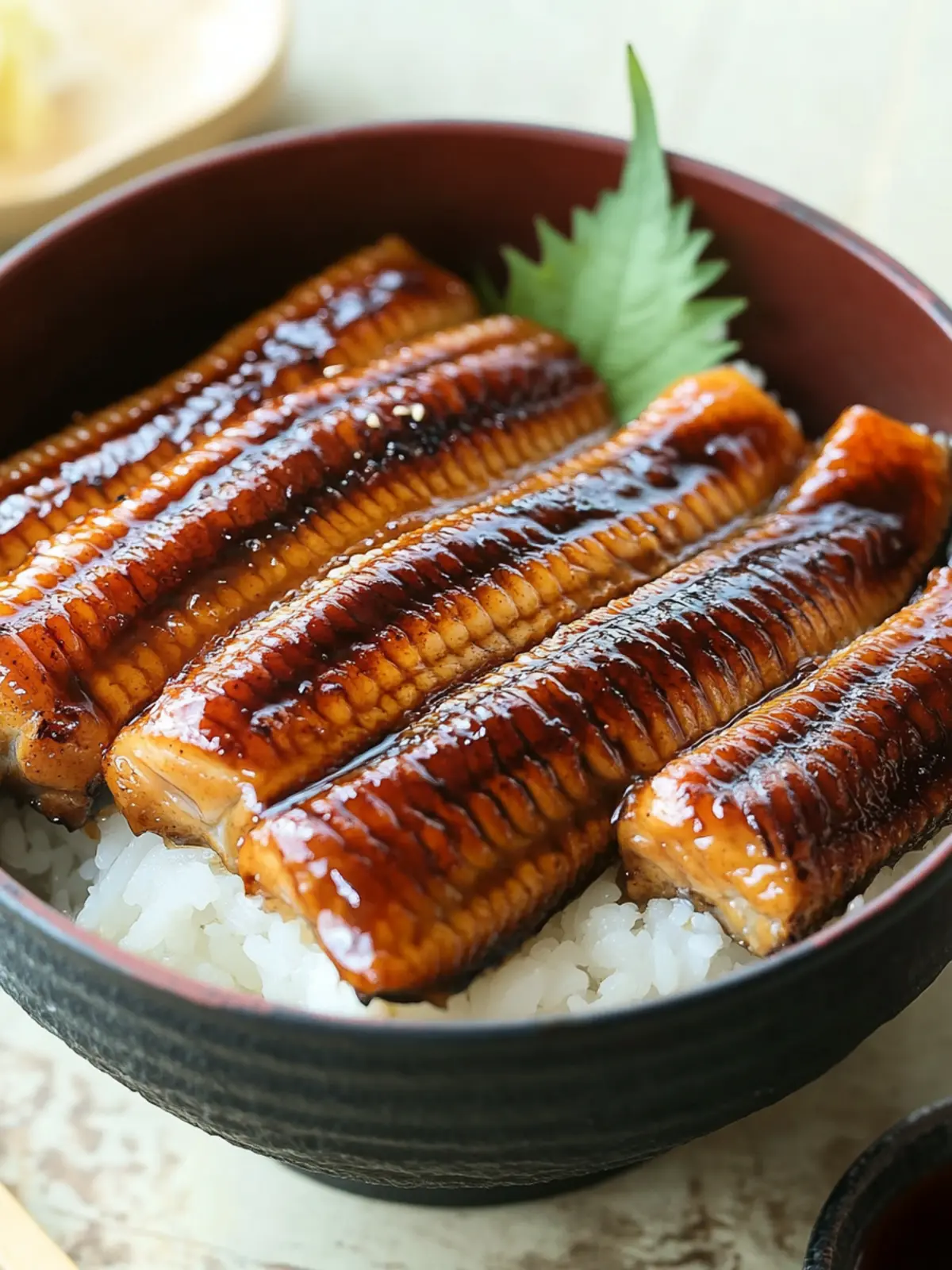
Why is Japanese Unagi (Grilled Eel) so special?
Irresistible Flavor: Each bite bursts with rich umami, enhanced by a sweet soy glaze that caramelizes beautifully on the grill.
Cultural Significance: Enjoying Unagi connects you to Japanese culinary traditions, making every meal feel like a celebration.
Easy at Home: Despite its gourmet reputation, this recipe is approachable and perfect for home cooks looking to impress.
Versatile Pairing: Serve it over fluffy short-grain rice or with traditional pickles for a complete meal that rivals your favorite restaurant.
Crowd-Pleasing Appeal: Great for gatherings, Unagi is sure to delight your guests and become a new family favorite!
Japanese Unagi (Grilled Eel) Ingredients
For the Eel
- Fresh Unagi (Freshwater Eel) The star of the dish; ensure it’s cleaned and deboned properly for optimal flavor and texture.
- Vegetable Oil Use this to oil the grill and prevent sticking; sesame oil can add a lovely depth of flavor.
For the Tare Sauce
- Soy Sauce Infuses the dish with umami richness; try low-sodium options for a lighter glaze.
- Mirin This sweet rice wine enhances the depth of flavor; if unavailable, mix sake with a touch of sugar for a good substitute.
- Sake Adds complexity; dry white wine can work in a pinch.
- Sugar Balances the savory notes in the sauce; consider using honey or an alternative for a sweeter twist.
- Water Thins the tare sauce to your desired consistency; adjust as needed during preparation.
For Serving
- Steamed Short-Grain Rice Forms a delicious base; the perfect sponge for soaking up the delightful tare sauce.
- Sansho Pepper A delightful optional garnish that brings a unique citrusy kick; black pepper works in its place if necessary.
Dive into this delightful recipe and experience the magic of Japanese Unagi (Grilled Eel) for yourself!
How to Make Japanese Unagi (Grilled Eel)
Prepare Tare Sauce: In a small saucepan, combine soy sauce, mirin, sake, sugar, and water. Simmer over medium heat for about 10 minutes, until the sugar dissolves and the sauce thickens slightly, achieving a glaze-like consistency.
Grill Prep: Preheat your charcoal grill or grill pan to medium-high heat. Lightly brush the surface with vegetable oil to prevent the eel from sticking during cooking.
Steam Eel: Place your cleaned and deboned unagi fillets in a bamboo steamer. Steam them for 5-7 minutes to soften the flesh and reduce excess oil, ensuring they’re tender and ready to grill.
First Grill: Carefully lay the steamed eel skin-side down on the hot grill. Grill for about 5-6 minutes, or until it develops a lovely golden-brown color and slight crispness on the outside.
Baste and Flip: Brush the grilled side with tare sauce, then carefully flip the eel over. Grill for another 3-4 minutes. Continue basting with tare sauce and flipping until cooked through, which should take around 15-20 minutes total.
Serve: Once done, allow the eel to rest for a few moments before slicing it diagonally. Serve it over bowls of warm steamed rice, drizzling extra tare sauce on top and sprinkling with sansho pepper for a zesty finish.
Optional: Garnish with fresh herbs or sesame seeds for an added touch of flavor.
Exact quantities are listed in the recipe card below.
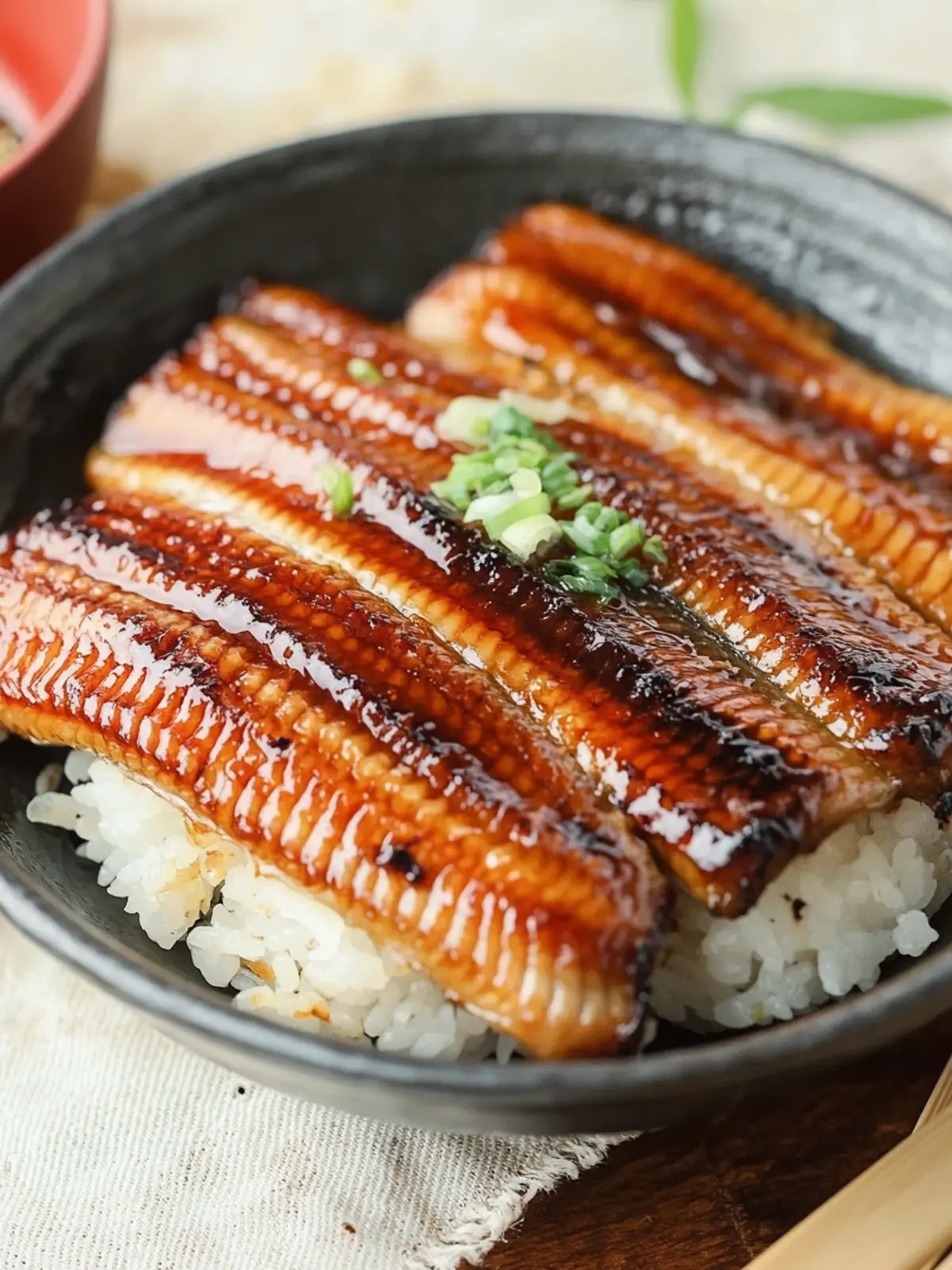
What to Serve with Japanese Unagi (Grilled Eel)?
Elevate your culinary experience with delightful accompaniments that enhance the flavors and textures of this grilled delicacy.
Steamed Short-Grain Rice: The perfect vessel to soak up the rich tare sauce, its fluffy texture complements the tender eel beautifully.
Miso Soup: A comforting bowl of warm miso soup brings a savory depth and warms the soul, creating a full Japanese dining experience.
Pickled Vegetables: Crunchy and tangy pickles, like tsukemono, add a bright contrast, cleansing the palate between the rich bites of unagi.
Grilled Asparagus: Lightly charred, these greens provide a fresh element with a hint of smokiness that pairs well with the eel’s savory profile.
Japanese Beer or Sake: A cold glass of crisp Japanese beer or a warm cup of sake enhances the umami flavors and lifts the entire meal experience.
Green Tea: A soothing cup of green tea rounds off the meal perfectly and balances the richness of the eel, leaving a refreshing finish.
Sesame Seed Garnish: Sprinkling toasted sesame seeds on top adds a nutty crunch and elevates the dish’s presentation, making it truly special.
Expert Tips for Japanese Unagi
Quality Matters: Always select fresh, high-quality unagi for the best flavor and texture; frozen options may lack the same richness.
Brushing Technique: Brush the tare sauce on gently during grilling to avoid burning; a light coat keeps the glaze vibrant and flavorful.
Heat Control: Maintain a steady medium-high heat on the grill; too hot can char the eel while not cooking it properly.
Steam Well: Steaming the eel before grilling ensures tenderness; do not skip this step or it may turn out too tough.
Resting Time: Allow the grilled eel to rest a few minutes before slicing; this enhances moisture retention, making each bite even juicier.
Cooking Time: Pay attention to cooking times, as overcooking can lead to dry eel. Keep a close eye and adjust based on thickness.
Japanese Unagi (Grilled Eel) Variations
Feel free to explore these exciting twists and substitutions to make the dish your own!
- Dairy-Free: Use coconut milk instead of dairy for a creamy rice side dish that complements the flavors beautifully.
- Spicy: Add a dash of chili paste to the tare sauce to elevate its flavor profile with a touch of heat.
- Herb-Infused: Incorporate fresh herbs like basil or cilantro for a refreshing burst that contrasts beautifully with the rich eel.
- Citrus Zest: Sprinkle fresh lemon or yuzu zest over the finished dish to brighten the umami flavors and add a zesty kick.
- Rice Alternatives: Swap steamed short-grain rice for quinoa or cauliflower rice for a lighter, gluten-free option with a different texture.
- Grilling Techniques: Experiment with various wood chips, like apple or cherry, to infuse the eel with unique smoky flavors during grilling.
- Marinate the Eel: For added depth, marinate the eel in the tare sauce for a few hours before grilling to intensify the flavor.
- Additional Garnishes: Top with crispy fried onions or sesame seeds for an extra layer of texture and crunch that contrasts with the tender eel.
Storage Tips for Japanese Unagi (Grilled Eel)
- Fridge: Store leftover Japanese Unagi in an airtight container for up to 3 days. Ensure it is fully cooled before sealing to maintain freshness.
- Freezer: If you wish to keep Unagi for longer, freeze it for up to 3 months. Wrap tightly in plastic wrap and then place in a freezer bag to prevent freezer burn.
- Reheating: To enjoy your leftovers, gently reheat the unagi in a steamer or microwave. For best results, avoid high heat to maintain its texture and moisture.
- Serving Tip: When serving reheated unagi, consider pouring a bit of tare sauce over it to revive that delightful flavor before serving it over rice.
Make Ahead Options
Preparing Japanese Unagi (Grilled Eel) ahead of time is a fantastic way to save time on busy weeknights! You can make the tare sauce up to 3 days in advance; simply store it in an airtight container in the refrigerator. Additionally, you can steam the eel fillets and refrigerate them for up to 24 hours before grilling, which helps to preserve their tenderness. When you’re ready to serve, grill the eel as instructed, basting with the tare sauce during cooking to achieve that delicious caramelized glaze. This method ensures that your Unagi remains just as delightful, giving you more time to enjoy with your family!
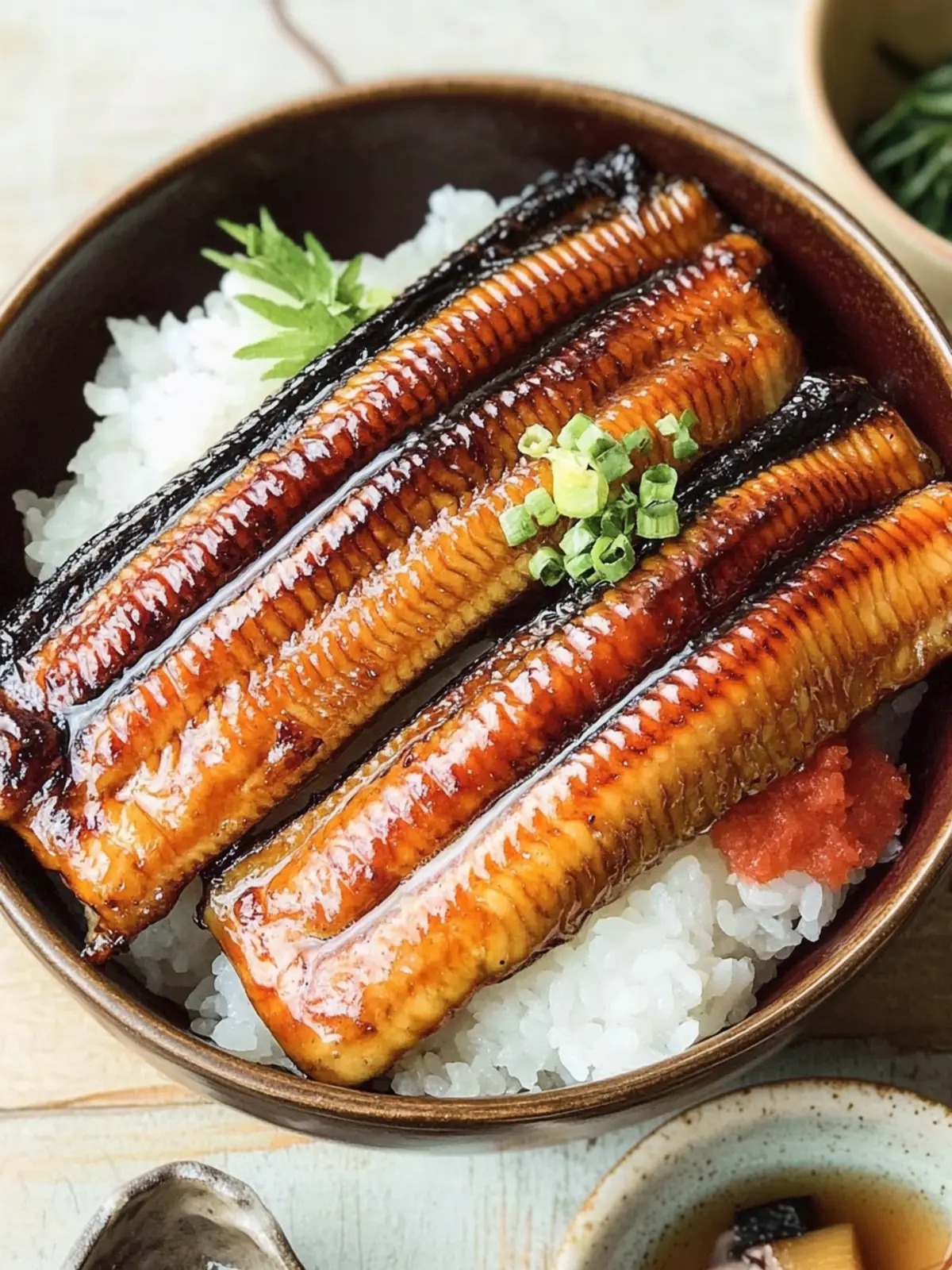
Japanese Unagi (Grilled Eel) Recipe FAQs
How do I select the best Unagi for grilling?
Absolutely! When selecting Unagi, look for firm, glistening fillets without any discoloration. Fresh eel should smell clean, reminiscent of the sea, and not fishy. Dark spots all over indicate older fish, so skip those! If possible, source from a reputable fishmonger who specializes in Asian seafood for the best quality.
What s the best way to store leftover Unagi?
I recommend storing leftover Japanese Unagi in an airtight container in the refrigerator for up to 3 days. Before sealing, ensure the eel is completely cooled to maintain freshness and avoid condensation, which can lead to sogginess. For longer storage, wrap the eel tightly in plastic wrap and place it in a freezer bag, where it will stay good for up to 3 months!
Can I freeze Unagi and how do I do it?
Very! To freeze Japanese Unagi, first wrap the cooled eel tightly in plastic wrap to prevent freezer burn. Then, place it in a labeled freezer bag, removing any excess air. When ready to enjoy, thaw it in the fridge overnight. To reheat, steam or gently microwave the eel on low power, which will keep it moist and tender just avoid frying or high heat, which can dry it out.
How can I prevent my Unagi from sticking to the grill?
To avoid sticking, make sure to preheat your grill properly and lightly oil the surface before grilling. I often use sesame oil for added flavor, which also helps. Additionally, brushing a light coat of tare sauce on the eel can create a protective layer that minimizes sticking. Use a sharp-edged spatula to gently lift the eel if needed, rather than trying to pull it off with tongs.
Are there any dietary considerations for serving Unagi?
Definitely! Japanese Unagi contains a good amount of protein and is considered a delicacy. However, those with seafood allergies should avoid it, as it may trigger reactions similar to other fish. If serving to pets, make sure to keep the grilled eel out of reach, as the rich sauces and ingredients like garlic can be harmful to them. Always check the ingredients for any specific dietary restrictions.
Can I use a different cooking method for Unagi?
Absolutely! If grilling isn t an option for you, consider broiling or even pan-searing the eel. Simply follow your preferred method, ensuring you still steam the Unagi first to retain tenderness. For broiling, place in an oven-safe dish, baste with tare sauce, and broil on high for 5-6 minutes while keeping a close eye to avoid burning. Enjoy the lovely smoky flavor that comes from different techniques!