Delicious Lebanese Warak Enab (Stuffed Grape Leaves) Recipe
Last Updated on May 8, 2026 by juliarecipez
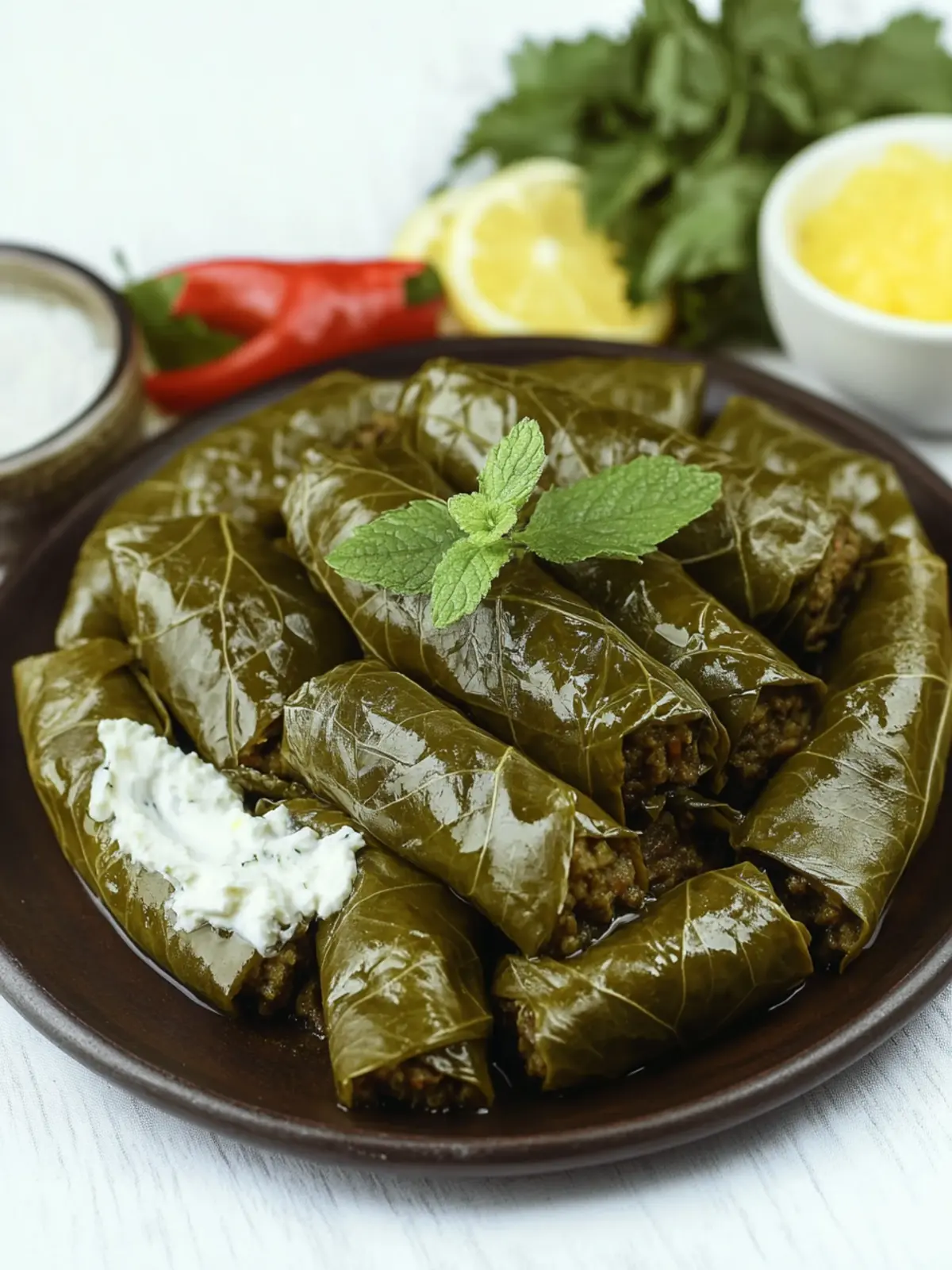
The moment you take a bite of Warak Enab, or stuffed grape leaves, you’re enveloped in a delightful tapestry of flavors that tells a story of rich Lebanese traditions. Picture the tender grape leaves, delicately rolled around a savory filling of rice, herbs, and either meat or a hearty vegetarian mix; each one embodies comfort and warmth, perfect for sharing with loved ones. This beloved dish is more than just a meal; it s a celebration of family gatherings, where laughter and delicious scents mingle in the air.
As the first drops of summer rain fall and the kitchen fills with the comforting aroma of sautéed onions and fresh herbs, I can t help but remember the joyous meals around my grandmother’s table. Whether you re looking for a star dish for your next mezze platter or simply want a comforting homemade treat, this classic recipe for Warak Enab offers a journey into the heart of Lebanese cuisine. So let s dive in and create this culinary treasure together, where tradition and flavor unite in each delicious bite!
Why You’ll Love Lebanese Warak Enab
Flavor Explosion: Each bite of Lebanese Warak Enab reveals a harmonious blend of tangy grape leaves and savory filling, making it an unforgettable taste sensation.
Easy to Master: With straightforward steps, anyone can create these delightful rolls, even if you’re a beginner in the kitchen.
Versatile Dish: Enjoy as part of a mezze platter or as a stand-alone dish; it easily adapts to suit any occasion.
Nourishing Comfort: Packed with wholesome ingredients, each serving is not just a treat but a fulfilling meal that warms the heart.
Fun to Share: Perfect for family gatherings or dinner parties, this recipe encourages sharing and laughter over delicious food just like in Lebanese culture.
Lebanese Warak Enab Ingredients
For the Stuffing
Short-Grain Rice Provides structure and texture; rinsing helps remove excess starch for fluffy rice.
Ground Lamb or Beef Adds richness to the filling; for a vegetarian version, replace with chickpeas or additional grains.
Onion Enhances flavor and moisture; finely chopped ensures even distribution throughout the filling.
Tomatoes Contributes juiciness and subtle sweetness; fresh is preferred, but canned can work if you’re in a pinch.
Fresh Parsley Adds a burst of freshness; flat-leaf varieties are highly recommended for their robust flavor.
Fresh Mint Offers a refreshing taste that complements the richness; dried mint can replace it, but use less.
For the Wrapping
Grape Leaves The star wrapper for the filling; whether fresh or jarred, be sure to rinse them to remove any brine.
Olive Oil Adds richness and moisture; choose high-quality oil for the best flavor in your dish.
For the Flavor Boost
Juice of 2 Lemons Balances flavors with a zesty acidity; freshly squeezed juice provides optimal taste.
Salt and Pepper Essential for seasoning the filling; adjust according to personal taste preferences.
Ground Cinnamon (optional) Adds warmth and a hint of spice; use sparingly to avoid overpowering other flavors.
For Cooking
Water or Broth The liquid that steams the grape leaves, helping to cook the filling to perfection.
Now you’re ready to gather all the ingredients for your Lebanese Warak Enab adventure! Each component plays a vital role in creating the beloved flavors that will bring comfort and joy to your table.
How to Make Lebanese Warak Enab
Prepare Grape Leaves: Rinse the jarred grape leaves under cold water or blanch fresh leaves in boiling water for 2-3 minutes until they are softened and pliable.
Mix Filling: In a big bowl, combine rinsed short-grain rice, your choice of ground meat, finely chopped onion, diced tomatoes, parsley, mint, olive oil, lemon juice, salt, pepper, and optional cinnamon. Stir well until the mixture is thoroughly combined.
Stuff Leaves: Lay a grape leaf shiny side down on a clean surface. Place about 1 tablespoon of filling near the stem end, then fold the sides over and roll tightly into a neat cylinder, ensuring the filling is secure inside.
Arrange in Pot: Line the bottom of a large pot with some grape leaves. Place the stuffed leaves seam side down in a single layer, drizzling with a bit of olive oil and lemon juice in between layering.
Cook: Pour just enough water or broth over the leaves to cover them, bring to a boil, then reduce heat to low. Cover and let them simmer for 45-60 minutes, until the leaves are tender and the filling is cooked through.
Finish and Serve: Allow the Warak Enab to rest for 15 minutes after cooking. Serve warm or cold, optionally garnished with lemon wedges and a drizzle of olive oil.
Optional: For an extra touch, sprinkle with fresh lemon zest before serving!
Exact quantities are listed in the recipe card below.
Expert Tips for Lebanese Warak Enab
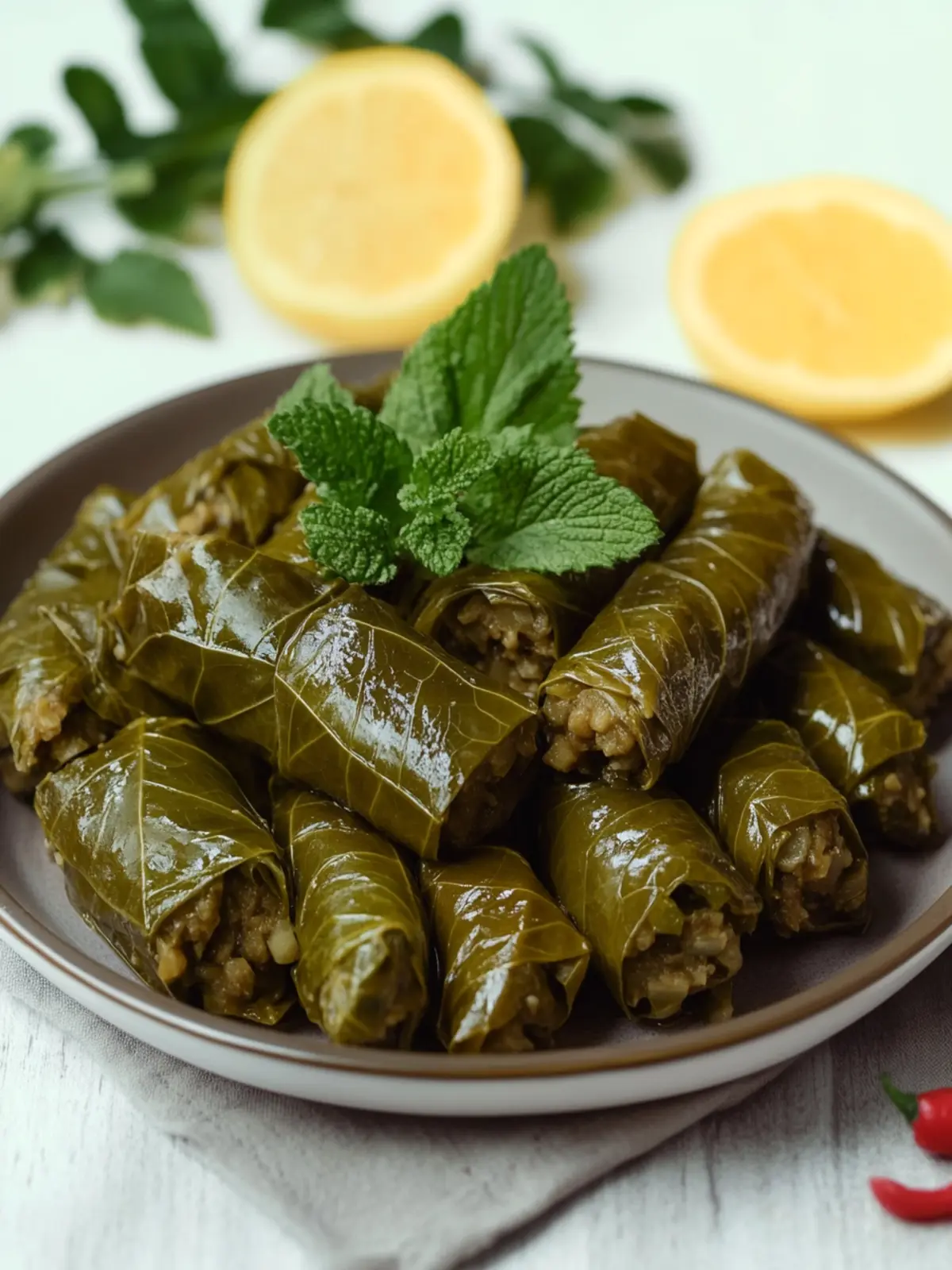
Tight Rolls: Ensure each grape leaf is rolled tightly to prevent the filling from spilling out during cooking. A secure roll creates a beautiful, cohesive dish.
Watch the Water: Check the water level while simmering to avoid drying out the filling. If necessary, add more liquid to keep the grape leaves moist.
Flavorful Filling: Experiment with your spice blend! Ground cinnamon can add warmth, but use it sparingly to let the other flavors shine in your Lebanese Warak Enab.
Resting Time: After cooking, let the dish rest for at least 15 minutes. This step allows flavors to meld together beautifully, enhancing the overall taste.
Serving Suggestions: Serve the stuffed grape leaves warm or cold, on a plate drizzled with olive oil and freshly squeezed lemon juice. Perfect for sharing with loved ones!
Make Ahead Options
Preparing Lebanese Warak Enab in advance is a fantastic way to save time during busy weeknights! You can mix the filling (rice, meat, and spices) up to 24 hours ahead; just store it in an airtight container in the refrigerator to maintain freshness. The stuffed grape leaves can also be assembled and placed in the pot, then covered and refrigerated for about 3 days before cooking. To prevent the leaves from drying out, drizzle a little olive oil over the top before sealing. When you’re ready to cook, simply add water or broth, bring to a boil, and simmer for 45-60 minutes until tender, ensuring a delicious meal with minimal effort.
Variations & Substitutions for Lebanese Warak Enab
Feel free to let your creativity shine and customize this delightful recipe to suit your palate!
Vegetarian: Omit the meat and increase the rice. You can also add chickpeas or lentils for protein and heartiness.
Cinnamon Twist: For a subtle warmth, add a pinch of ground cinnamon to the filling. It beautifully enhances flavors without overwhelming.
Nuts and Seeds: Stir in some chopped walnuts or pine nuts into the filling for added crunch and a delightful textural contrast.
Spicy Kick: If you enjoy heat, sprinkle in some crushed red pepper flakes or chopped jalapeños while mixing the filling for a zesty surprise.
Fresh Herbs: Experiment with various fresh herbs like dill or cilantro instead of parsley. Each herb gives the dish a distinct flair.
Alternative Wrappers: Try using Swiss chard or cabbage leaves instead of grape leaves, offering a different taste and texture experience.
Rice Variation: Substitute short-grain rice with quinoa or bulgur for a nutty flavor and to boost the nutritional content of your filling.
Savory Broth: Instead of water, use vegetable or chicken broth for cooking to infuse extra flavor into the grape leaves during the steaming process.
Each of these variations invites you to explore different flavors, textures, and dietary preferences, allowing you to create a personalized version of this beloved dish!
What to Serve with Lebanese Warak Enab?
Crafting a full meal around these delightful stuffed grape leaves not only celebrates Lebanese tradition but also invites a colorful array of flavors to your table.
Hummus: This creamy dip pairs perfectly with the savory flavors of Warak Enab, providing a smooth, rich contrast that enhances every bite. Serve it with warm pita for a truly delightful experience.
Tabbouleh Salad: Fresh and vibrant, this parsley-based salad adds a bright zing and crunchy texture, making it a refreshing companion that balances the richness of the stuffed grape leaves.
Baba Ghanoush: Smoky and velvety, this eggplant dip beautifully complements Warak Enab, inviting you to savor layers of flavor while maintaining that traditional Lebanese flair.
Pita Bread: Crispy on the outside and soft within, pita is a perfect vessel for scooping dips or wrapping around your stuffed grape leaves, adding an enjoyable tactile element to your dining experience.
Roasted Vegetables: Seasoned and caramelized, a medley of roasted vegetables like bell peppers and zucchini brings earthy flavors and a pop of color, enhancing the overall presentation of your mezze spread.
Mint Tea: This aromatic drink serves as a delightful palate cleanser, refreshing and light, it perfectly complements the dish’s flavors, inviting you to sip and savor between bites.
Baklava: End your meal on a sweet note with this flaky, sticky pastry. The contrast of sweet and nutty flavors offers a delightful finish that echoes the complexity of the previous courses.
Stuffed Peppers: For a heartier option, consider adding stuffed bell peppers to your spread. Their smoky flavor harmonizes beautifully with the Warak Enab, creating a satisfying and visually appealing meal.
How to Store and Freeze Lebanese Warak Enab
Fridge: Store leftover Lebanese Warak Enab in an airtight container in the refrigerator for up to 3 days. They taste great warm or cold!
Freezer: For longer storage, freeze the stuffed grape leaves individually wrapped in plastic wrap and placed in a freezer-safe bag for up to 3 months.
Reheating: To reheat, place frozen Warak Enab in a pot with a splash of water, cover, and steam over low heat until warmed through.
Room Temperature: If serving at a gathering, keep out for no more than 2 hours to ensure freshness and safety.
Lebanese Warak Enab (Stuffed Grape Leaves) Recipe FAQs
How do I choose fresh grape leaves?
Absolutely! When selecting fresh grape leaves, look for vibrant green, tender leaves that are free from dark spots or blemishes. If you’re opting for jarred leaves, make sure to rinse them well under cold water to remove any brine and excess salt.
How should I store leftover Warak Enab?
Very simply! Place any leftover Lebanese Warak Enab in an airtight container and refrigerate them for up to 3 days. They maintain their delicious flavors and can be enjoyed warm or cold, making them perfect for quick meals or snack time!
Can I freeze Warak Enab?
Yes, you can! To freeze Lebanese Warak Enab, wrap each stuffed grape leaf tightly in plastic wrap, then place them in a freezer-safe bag. They will keep well in the freezer for up to 3 months. When you’re ready to enjoy them, simply steam them from frozen with a splash of water until heated through.
What should I do if my grape leaves tear while rolling?
I ve encountered this too! If your grape leaves tear, don t worry! You can either patch them with a small piece of another leaf or simply use them to line the pot for extra flavor. This way, no part of your delicious dish goes to waste!
Can I make Warak Enab vegetarian?
Absolutely! For a vegetarian Lebanese Warak Enab, replace the ground meat with cooked chickpeas or increase the quantity of rice and add some legumes like lentils. Feel free to experiment with spices and extra herbs to enhance the flavor!
What is the best way to serve Warak Enab?
Serve your delicious Lebanese Warak Enab warm or cold, garnished with fresh lemon wedges and a drizzle of olive oil. They re perfect as part of a mezze platter, enjoyed alongside hummus, baba ghanoush, and crunchy pita bread everyone will love them!