
Savor Japanese Yakitori: Perfect Grilled Chicken Skewers at Home
Last Updated on May 8, 2026 by juliarecipez
As the aroma of grilled chicken wafts through the air, I can t help but feel transported to a cozy izakaya tucked away in the bustling streets of Tokyo. These Japanese Yakitori skewers, with their tantalizing blend of smoky char and tender meat, are not just a dish but a delightful experience that can easily find a place in your heart and on your dinner table. Whether you prefer the simplicity of shio (salt) or the sweet-savoury allure of tare sauce, each bite promises a burst of flavor that perfectly balances comfort and indulgence.
Perfect for everything from casual weeknight dinners to festive gatherings, these skewers not only bring warmth but also a sense of connection, much like the lively gatherings at yakitori bars. Ready to impress your family and friends? Let s dive into this easy and delightful recipe that will have everyone craving more!
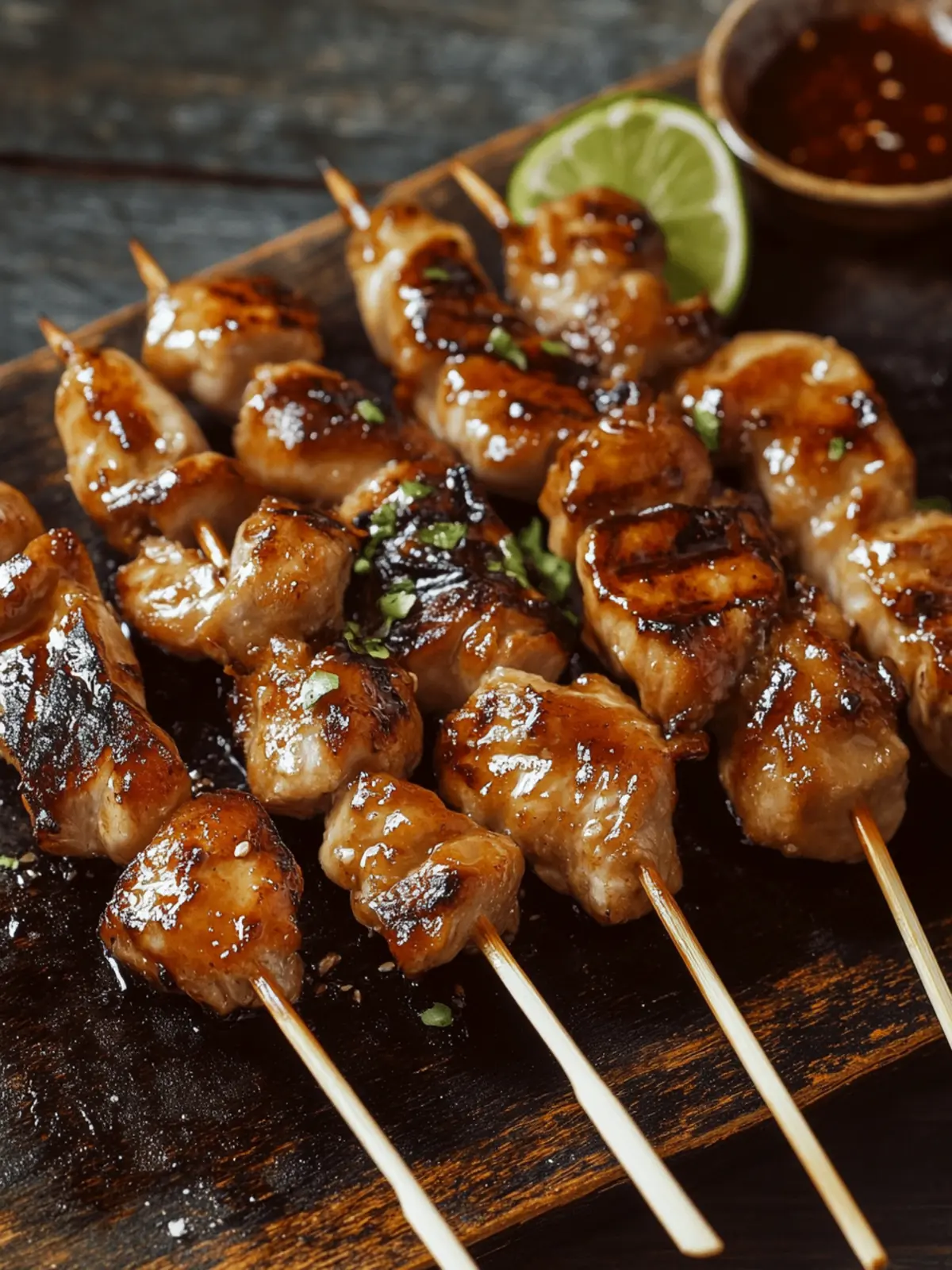
Why will you love Japanese Yakitori?
Irresistible flavors: Each skewer bursts with smoky goodness, whether you choose the saltiness of shio or the rich sweetness of tare.
Easy preparation: With straightforward ingredients and minimal prep time, you’ll have delicious skewers ready in no time.
Versatile options: Feel free to swap out chicken for other proteins or even load up with veggies for a colorful mix!
Perfect for gatherings: Serve these stunning skewers at your next get-together, and watch them disappear!
Cultural experience: Enjoying yakitori at home brings the warmth of Japan’s bustling izakayas right to your kitchen.
Japanese Yakitori Ingredients
Get ready to grill!
For the Skewers
- Boneless Chicken Thighs Provides juicy, rich flavor; skin-on is preferred for added moisture.
- Spring Onions (Negi) Adds a sweet, aromatic balance; can substitute with scallions for similar results.
- Bamboo Skewers Holds meat during grilling; soak them to prevent burning or use metal skewers instead.
For the Tare Sauce
- Soy Sauce The umami base for the tare sauce, contributing a savory depth.
- Mirin Brings a pleasant sweetness and depth; essential for an authentic flavor.
- Sake Introduces complex notes; white wine can substitute if necessary.
- Caster Sugar Sweetens the tare sauce; brown sugar can offer a deeper, more caramel-like flavor.
- Garlic Infuses the tare sauce with savory depth; fresh garlic is best for flavor.
- Fresh Ginger Enhances the tare sauce with a warm, spicy note.
For Shio Skewers
- Sea Salt For shio-style skewers, it highlights the chicken’s natural flavor perfectly.
Optional Ingredients
- Shichimi Togarashi A Japanese spice blend for a little kick; use before serving for added flavor and aroma.
Dive into this recipe and create your own Japanese Yakitori masterpiece!
How to Make Japanese Yakitori
Prepare Tare Sauce:
In a saucepan, combine soy sauce, mirin, sake, caster sugar, fresh garlic, and ginger. Simmer over medium heat until the mixture thickens, about 10 minutes, then strain and let cool.Thread Skewers:
Take your soaked bamboo skewers and alternate threading chicken thighs and spring onion pieces onto each skewer. Aim for uniform pieces to ensure even cooking.Grill Setup:
Preheat your charcoal grill (or use a grill pan if you prefer) to medium-high heat, around 400°F. Make sure the grates are clean for a nice char!Grill Chicken:
Place the skewers on the grill and cook for 23 minutes on each side until they turn lightly browned. Try not to move them too much this helps achieve a great caramelization.Baste with Tare:
Brush a generous amount of the tare sauce onto the skewers while they grill, turning them occasionally to build that lacquered finish.Season:
For half of the skewers, sprinkle sea salt over the chicken before grilling to prepare shio-style skewers that highlight the natural flavors.Check Doneness:
Ensure the chicken is cooked thoroughly, about 1012 minutes total. Look for a slightly charred exterior that has a sticky glaze.Rest & Serve:
Let the skewers rest for a few minutes off the grill. Then, serve them with extra tare sauce and a sprinkle of shichimi togarashi if desired.
Optional: Garnish with sesame seeds for added flavor and texture.
Exact quantities are listed in the recipe card below.
Make Ahead Options
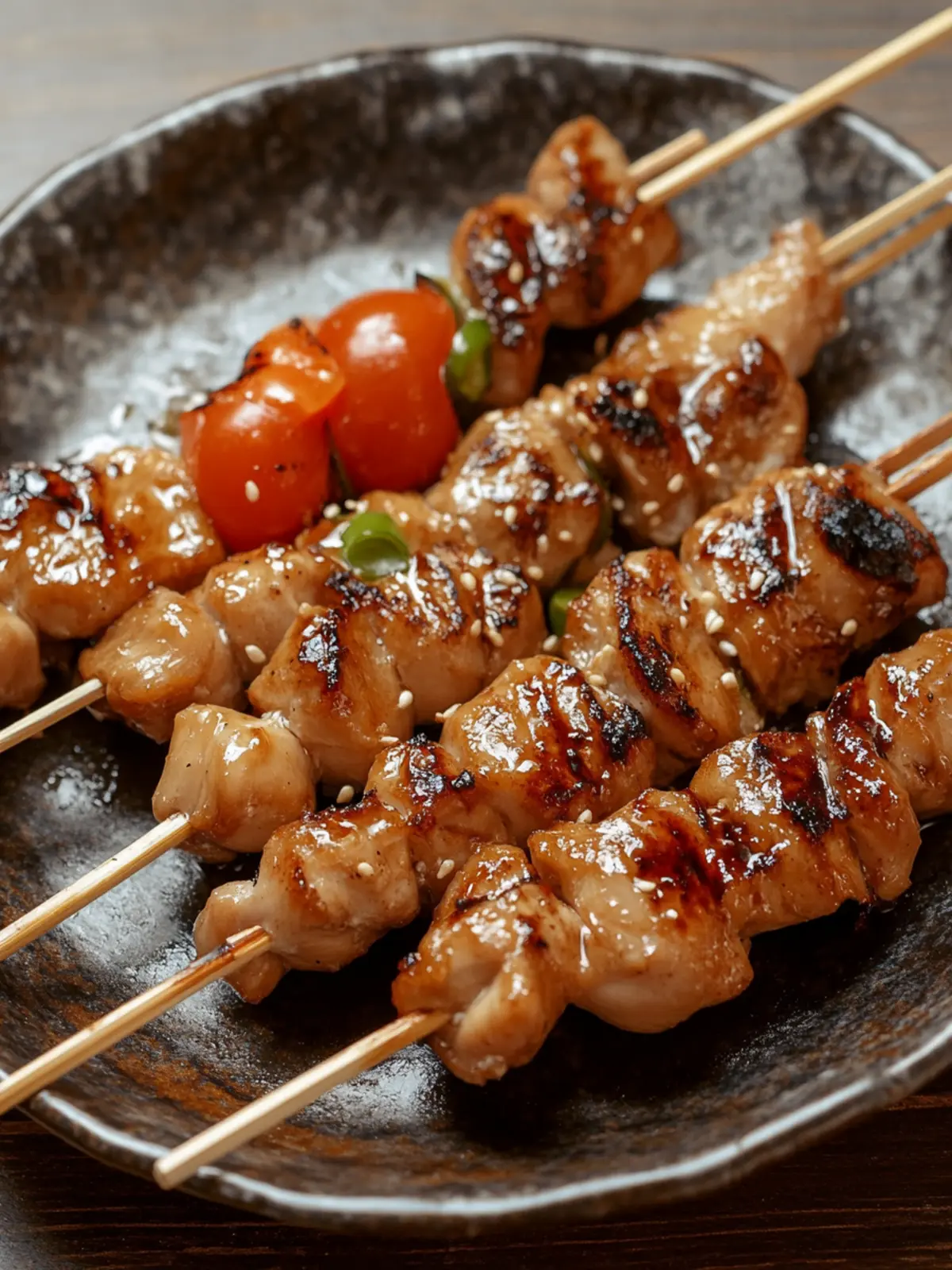
These Japanese Yakitori skewers are perfect for meal prep enthusiasts! You can prepare the tare sauce up to 3 days in advance; simply combine soy sauce, mirin, sake, sugar, garlic, and ginger, simmer until thickened, then refrigerate in an airtight container. Additionally, you can thread the chicken thighs and spring onions onto skewers up to 24 hours ahead; keep them tightly wrapped in the fridge to maintain freshness. When ready to grill, just preheat your grill and follow the final steps brush with tare sauce and grill until charred. Minimizing kitchen time on busy evenings means you can savor these delicious skewers without stress!
Storage Tips for Japanese Yakitori
- Fridge: Keep leftover yakitori in an airtight container, lined with kitchen paper to absorb moisture. Enjoy within 2 days for optimal freshness.
- Freezer: For longer storage, wrap individual skewers tightly in plastic wrap and place them in a freezer bag. They can last up to 1 month.
- Reheating: To reheat, place the skewers in an oven at 350°F (175°C) for about 10 minutes, ensuring they remain juicy and flavorful. Avoid microwaving, as it may dry out the chicken.
- Serving Cold: If you have some cold yakitori leftovers, they make for a tasty addition to salads or rice bowls for a quick meal.
Japanese Yakitori Variations
Explore the delightful ways to customize your Japanese Yakitori and bring a personal touch to these classic skewers!
- Protein Swap: Replace chicken with beef or pork for a different flavor profile that s equally delicious.
- Vegetarian Skewers: Use firm veggies like mushrooms, zucchini, and eggplant to make delightful vegetarian yakitori. They grill beautifully!
- Spice it Up: Add a splash of chili oil or some crushed red pepper to the tare sauce for a spicy kick that complements the sweetness.
- Citrus Glaze: Incorporate citrus zest or juice into the tare sauce for a bright, refreshing twist that adds a wonderful zing to the flavor.
- Herb Infusion: Mix in fresh herbs such as cilantro or basil to the tare sauce for an aromatic twist that enhances the overall complexity.
- Marinade Method: Marinate the chicken in a combination of soy sauce, garlic, and ginger for at least 30 minutes before grilling for deeper flavor penetration.
- Sweetness Level: Adjust the amount of sugar in the tare sauce to suit your taste; more sugar equals a sweeter glaze, while less gives a more savory kick.
- Grilling Style: Try cooking the skewers over a wood fire for an earthy, smoky flavor that elevates the grilling experience to new heights.
Feel encouraged to mix and match these ideas to create your version of yakitori that speaks to your taste buds!
Expert Tips for Japanese Yakitori
Uniform Pieces: Ensure all chicken and onion pieces are uniform in size for even cooking and optimal texture.
Minimal Movement: Avoid moving the skewers too frequently on the grill; this helps create a beautiful caramelization and prevents sticking.
Basting Technique: Apply tare sauce every few minutes during grilling to achieve that signature sticky glaze without overwhelming the chicken’s flavor.
Use Fresh Ingredients: For the best tare sauce, always use fresh garlic and ginger; they enhance the depth of the sauce significantly.
Storage Advice: If you have leftovers, refrigerate them promptly and reheat using an oven to maintain the juicy texture of your Japanese Yakitori.
What to Serve with Japanese Yakitori?
Creating the perfect accompaniment for your flavorful skewers can elevate your dining experience to new heights.
Steamed Rice: A classic pairing that balances the savory flavors of the yakitori, allowing each bite to shine through.
Cucumber Salad: Refreshingly crunchy and dressed with rice vinegar, it cleanses the palate between bites of tender chicken.
Edamame: Lightly salted, these young soybeans add a delightful pop and contrast to the smoky profiles of the grilled skewers.
Miso Soup: This warm, umami-packed broth adds a comforting depth that complements the grilled goodness of your yakitori.
Japanese Pickles: The vibrant acidity and crunch of tsukemono enhance the overall flavor profile, making every bite even more exciting.
Sake: A chilled glass of this traditional Japanese rice wine adds to the authenticity while harmonizing perfectly with your meal.
Beer: Light and crisp, a good Japanese lager is ideal for cutting through the richness of the yakitori, enhancing the flavors even further.
Green Tea: Earthy and soothing, a cup of this classic beverage refreshes the palate and keeps the meal light and satisfying.
Fruit Sorbet: A sweet, icy finish to cleanse the palate, this dessert provides an excellent contrast to the savory skewers while keeping things light and fruity.
Japanese Yakitori Recipe FAQs
How do I select the best boneless chicken thighs for yakitori?
Absolutely! When choosing boneless chicken thighs, look for pieces that are bright pink with minimal dark spots or discoloration. The skin-on variety is preferred for added moisture and flavor. Freshness is key, so check the sell-by date and opt for organic if possible.
How should I store leftover yakitori?
To keep your delicious Japanese Yakitori fresh, place the skewers in an airtight container lined with kitchen paper to absorb moisture. They will be best enjoyed within 2 days when refrigerated. Just remember to seal the container tightly to keep the flavors intact!
Can I freeze yakitori, and if so, how?
Absolutely! Wrap each skewer tightly in plastic wrap and then place them in a freezer bag, removing as much air as possible. This way, your yakitori can stay fresh for up to a month. When you’re ready to enjoy, simply thaw in the refrigerator overnight and then reheat in the oven for about 10 minutes at 350°F (175°C) to keep them juicy.
What s the best way to reheat yakitori without drying it out?
I often recommend reheating yakitori in an oven. Preheat your oven to 350°F (175°C), place the skewers on a baking sheet, and cover them with foil to lock in moisture. They should take about 10 minutes to warm through while staying juicy. Avoid using a microwave, as it can dry out the chicken.
Are there dietary considerations I should be aware of?
Very! If you’re cooking for others, it’s essential to check for allergies, especially since soy sauce contains gluten. For a gluten-free option, opt for tamari instead of usual soy sauce. Also, make sure to keep an eye on any additional spices, like shichimi togarashi, which may contain ingredients that could trigger allergies. Always be considerate and ask your guests about their dietary needs before serving.
What can I do if my tare sauce is too salty?
If you find your tare sauce has turned out saltier than desired, a simple fix is to balance the saltiness with a touch more sugar or honey. Alternatively, you can dilute it with a bit of water or mirin. Just simmer it again for a minute to combine everything well, adjusting to taste!