
Burmese Ngapi Yay: Flavor-Packed Fish Paste Dip with Veggies
Last Updated on May 8, 2026 by juliarecipez
There s a delightful zing in the air as I prepare to dive into the world of Burmese cuisine with a dish that transforms everyday vegetables into something truly spectacular. Ngapi Yay, a bold and umami-rich fish paste dip, has quickly become a favorite in my kitchen. Its unique combination of salty, tangy, and slightly spicy flavors brings a communal spirit to dining, evoking memories of shared meals and laughter with loved ones.
I discovered this gem during a journey through vibrant markets, where the scent of fermented fish paste caught my attention. Growing tired of the same old dips, I was immediately intrigued. The beauty of Ngapi Yay lies not just in its flavor, but in its versatility it pairs beautifully with a colorful array of fresh and blanched vegetables, creating a lively addition to any spread. Imagine dipping crisp green beans and tender okra into this zesty blend, turning a simple meal into an unforgettable experience. Let s explore how to make this delicious dip that celebrates the heart of Burmese homemade food!
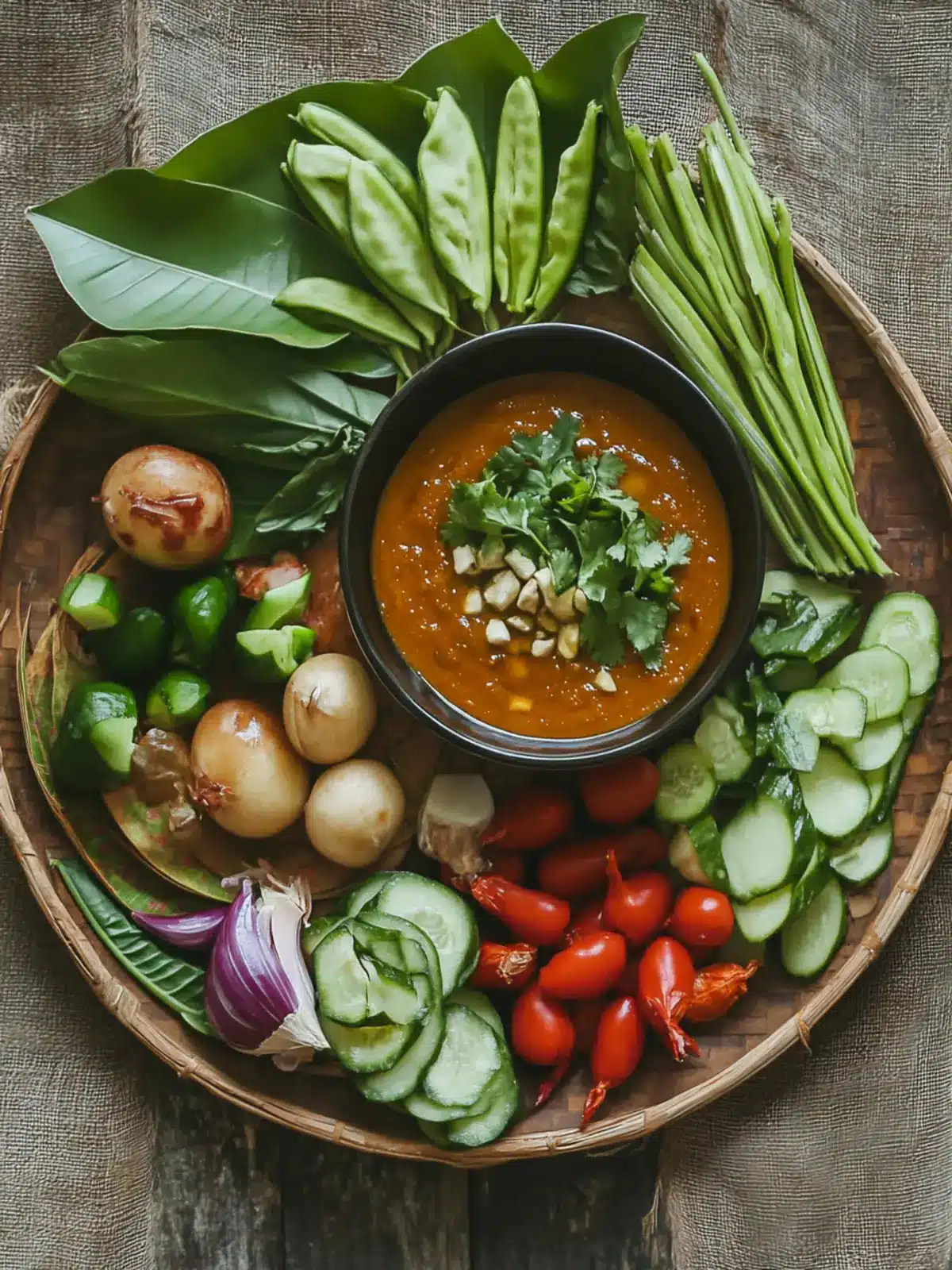
Why is Burmese Ngapi Yay a Must-Try?
Bold flavors: This dip brings a unique taste experience with a delightful punch of umami from the fermented fish paste, making each bite irresistible.
Quick preparation: Whipping up Ngapi Yay is a breeze, requiring minimal time and basic kitchen skills great for both novice and seasoned cooks!
Versatile pairing: Serve it alongside an array of fresh or blanched vegetables for a fun and healthy snack, or complement it with warm steamed rice for a complete meal.
Cultural richness: Dive into the beautiful essence of Burmese cuisine and share this communal dish with family and friends, creating memorable dining experiences.
Health-conscious: With only around 106 calories per serving, this dip is a nutritious alternative to typical dips, transforming your snack time guilt-free.
Burmese Ngapi Yay Ingredients
For the Dip
Fermented Fish Paste (Ngapi) The soul of the dish, offering deep umami flavor that defines the essence of Burmese Ngapi Yay.
Garlic (2 cloves, finely minced) Infuses aromatic richness to enhance the savory profile of the dip.
Shallots (2 small, finely chopped) Adds a hint of sweetness and a subtle onion zest that balances other flavors.
Fresh Red Chillies (2, sliced) Introduces just the right kick; feel free to adjust based on your heat preference.
Turmeric Powder (½ tsp) Delivers an earthy note and a beautiful golden color to the mixture.
Fresh Lime Juice (1 tbsp) Essential for that zesty tang that brightens the overall taste.
Sugar (½ tsp, optional) Helps to sweeten and balance the salty notes, making it a versatile addition.
Warm Water (½ cup, adjust as needed) Necessary to achieve the perfect consistency for dipping and indulging.
For the Vegetables
Green Beans (100g, trimmed) Crunchy and fresh, they provide a satisfying bite when dipped.
Okra (100g) Adds delightful texture and a mild flavor that pairs beautifully with the dip.
Aubergine (1 small, sliced) When blanched, it becomes tender and complements the dip’s richness effectively.
Cucumber (½, sliced) Refreshing and cool, it s the ideal vessel for savoring the bold flavors of Ngapi Yay.
Carrot (1 medium, cut into batons) Brings a splash of color and natural sweetness to the platter.
Fresh Coriander Leaves (1 handful) For garnish, providing an aromatic finish and freshness.
Cabbage Leaves (1 handful, separated) A crunchy addition that works well as a unique dipping option.
Gather your ingredients and get ready to create a Burmese Ngapi Yay that will elevate your meal into a communal delight!
How to Make Burmese Ngapi Yay
Toast ngapi: Start by toasting the fermented fish paste in a dry pan over medium heat for 2 minutes. This step enhances its flavor and draws out those wonderful umami notes.
Pound the mixture: Using a mortar and pestle, pound the toasted ngapi with minced garlic, chopped shallots, and sliced chillies until smooth. This process brings all the flavors together beautifully.
Mix in spices: Stir in the turmeric powder and sugar, then gradually add warm water until you reach a smooth, dipping consistency. Adjust the water to your liking for the perfect texture.
Add lime juice: Squeeze in the fresh lime juice and give it a taste. Adjust the seasoning if needed, ensuring that the flavors are balanced, tangy, and zesty.
Blanch vegetables: Bring a pot of water to a boil and blanch the green beans, okra, and sliced aubergine for 2 minutes. After blanching, quickly cool them in ice water to preserve their vibrant colors.
Arrange the platter: Drain the blanched vegetables and set them out on a serving platter alongside the cucumber, carrot batons, and cabbage leaves. Make it colorful!
Serve and enjoy: Place the Ngapi Yay in a small bowl at the center of the platter. Now it s ready for diving in with your crisp veggies!
Optional: Add a sprinkle of fresh coriander leaves on top for an aromatic finish.
Exact quantities are listed in the recipe card below.
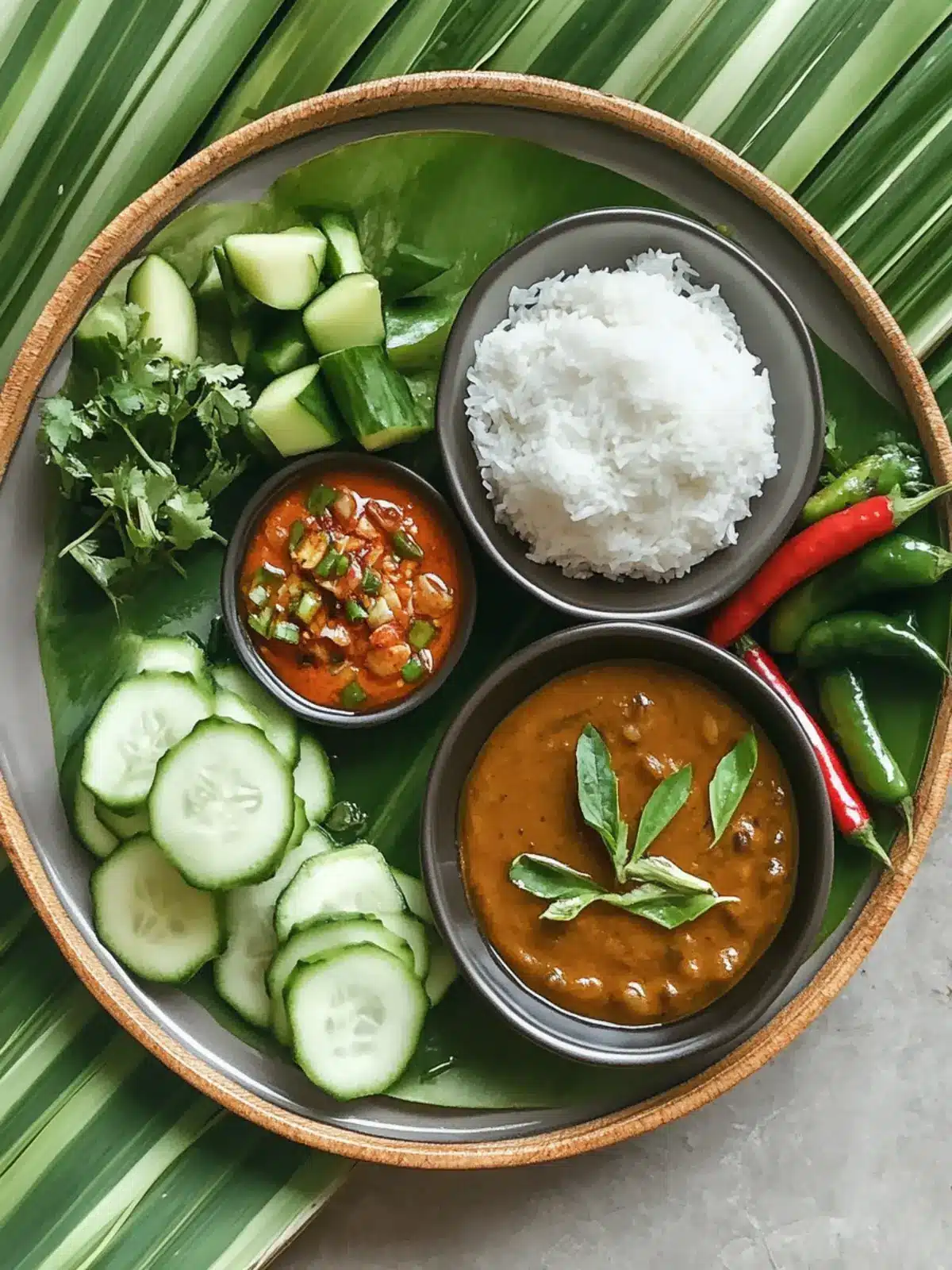
What to Serve with Burmese Ngapi Yay (Fish Paste Dip with Vegetables)?
Transform your Ngapi Yay into a delightful feast with perfect pairings that truly elevate this vibrant dip experience.
- Warm Steamed Rice: This classic staple absorbs the savory flavors of Ngapi Yay, creating a comforting and filling meal.
- Crispy Spring Rolls: Their crunchy exterior and flavorful fillings make a wonderful contrast with the creamy texture of the dip.
- Grilled Chicken Skewers: Juicy and tender, the smoky flavor of skewers adds a robust element to complement the umami richness of Ngapi Yay.
- Fresh Salad: A zesty cucumber and tomato salad brings freshness and a burst of color, beautifully balancing the flavors of the dip.
- Roasted Sweet Potatoes: Their natural sweetness pairs perfectly with the salty notes of Ngapi Yay, providing a nutritious and satisfying contrast.
- Fruity Lemonade: A refreshing drink with a hint of tartness that cleanses the palate and enhances the overall dining experience.
- Coconut Sticky Rice: Creamy and slightly sweet, this traditional dish is a sublime pairing, as it complements the spice and saltiness of the dip.
- Dried Fish Snacks: For the bold, these crispy bites echo the fishy essence of Ngapi Yay while providing a satisfying crunch.
Embrace the spirit of communal dining as you enjoy these pairings, celebrating flavors and togetherness with every bite!
Expert Tips for Burmese Ngapi Yay
Quality Matters: Use high-quality fermented fish paste (ngapi) to ensure that the dip has a rich umami flavor. Low-grade paste can compromise the taste.
Don t Overheat: When toasting ngapi, keep the heat on medium and watch it closely. Too much heat can burn the paste and spoil the flavor.
Balance is Key: Taste and adjust the lime juice and sugar after mixing to get the perfect balance of salty, sweet, and tangy. This is crucial for a delightful Burmese Ngapi Yay.
Short Blanching: Blanching vegetables for just 2 minutes preserves their vibrant color and crunch. Avoid overcooking, or they will lose their texture.
Serving Fresh: Serve the dip immediately for the best experience; however, if needed, it can be stored in the fridge for up to 2 days just give it a stir before serving.
Burmese Ngapi Yay Variations
Customize this delightful dip to suit your taste buds and explore exciting new flavor combinations that will elevate your dining experience.
Vegetable Twist: Try using slices of bell peppers or radishes for added crunch and flavor variation with your ngapi.
Herb Infusion: Mix in fresh herbs like basil or mint for a refreshing herbal note that complements the rich umami of the dip.
Tomato Addition: Incorporate diced tomatoes for a touch of sweetness and a delightful burst of juiciness in every dip.
Spicy Kick: For a fiery twist, increase the number of fresh red chillies or add a dash of chili flakes to intensify the heat.
Creamy Layer: Blend in a dollop of yogurt or coconut cream for a creamier texture that softens the dip’s bold flavors.
Sweet Surprise: Swap sugar with honey or agave syrup to introduce a natural sweetness, balancing the savory profile beautifully.
Crunchy Toppers: Garnish the dip with crushed peanuts or sesame seeds for an extra layer of texture and a nutty flavor addition.
Sour Variation: Introduce a splash of tamarind paste to the mix for a rich, tangy bite that enhances the dip s complexity.
With these fun variations, you can make each batch of Burmese Ngapi Yay uniquely yours, ensuring every gathering is an unforgettable culinary adventure!
Make Ahead Options
Ngapi Yay is perfect for meal prep enthusiasts looking to save time during busy weeknights! You can prepare the dip up to 24 hours in advance by toasting the fermented fish paste and blending it with garlic, shallots, and chillies. Store the mixture in an airtight container in the refrigerator to maintain its vibrant flavor. Additionally, you can blanch the vegetables (green beans, okra, aubergine) ahead of time these will stay fresh for up to 3 days when kept in the fridge. To serve, simply assemble the blanched veggies and stir the dip again before placing it on your platter. You’ll enjoy a delightful, homemade Burmese Ngapi Yay with minimal effort, straight from your fridge!
How to Store and Freeze Burmese Ngapi Yay
Fridge: Store any leftover Burmese Ngapi Yay in an airtight container for up to 2 days. Re-stir before serving to bring back the smooth texture.
Freezer: While freezing is not recommended for this dip due to its texture, you can freeze the prepared ngapi mixture (without vegetables) for up to 1 month. Thaw in the fridge before use.
Reheating: If you have leftovers, gently reheat the dip over low heat while stirring, adding a splash of warm water if necessary. This will help maintain its creamy consistency.
Vegetable Storage: For any blanched vegetables, keep them in an airtight container in the fridge for 12 days to ensure freshness. Enjoy with your ngapi dip for a vibrant snack!
Burmese Ngapi Yay Recipe FAQs
How do I choose the best fermented fish paste (ngapi)?
Absolutely! When selecting ngapi, look for a high-quality product that is rich in aroma and has a smooth texture. A good ngapi should have a vibrant color without dark spots or any signs of spoilage. You can often find it at Asian markets or specialty grocery stores. Remember, the better the ngapi, the better the flavor of your Burmese Ngapi Yay!
What s the best way to store leftover Ngapi Yay?
To keep your dip fresh, store any leftovers in an airtight container in the refrigerator for up to 2 days. Be sure to give it a good stir before serving to restore its smooth texture. If you notice any separation, gently mix it back together it ll taste just as delicious!
Can I freeze Ngapi Yay?
While it’s generally not recommended to freeze the finished dip due to changes in texture, you can freeze the ngapi mixture (without vegetables) for up to 1 month. To do this, place the mixture in an airtight container or freezer bag, remove as much air as possible, and label it. When ready to use, simply thaw it in the refrigerator overnight and stir in a splash of warm water if needed.
What should I do if my dip is too salty or spicy?
Very! If you find your Burmese Ngapi Yay is saltier than desired, you can balance it out by mixing in more warm water and adding a touch of sugar to offset the flavors. If the dip is too spicy, consider adding a bit more lime juice or even a small amount of sweetness to mellow out the heat. Taste as you go, adjusting gradually until it suits your palate.
Can I use this dip for other meals?
Absolutely! This versatile dip can be enjoyed with various dishes, not just the fresh and blanched vegetables mentioned. Try it as a condiment for grilled meats, spread on sandwiches, or even as a bold topping for rice bowls. The possibilities are endless get creative and savor those umami flavors!
Are there any dietary considerations for this recipe?
Ensure to check the ingredients if you are concerned about allergies, particularly if using store-bought ngapi, as it may contain preservatives. This dip is naturally gluten-free, but always verify your vegetable choices. For those sensitive to seafood or following a vegan diet, this dish may not be suitable, so consider alternatives like miso paste for a plant-based twist.