
Cozy Up with Nilagang Baboy (Boiled Pork Soup) Today
Last Updated on May 8, 2026 by juliarecipez
There s something incredibly comforting about a warm bowl of soup on a chilly evening. As the sun dips below the horizon, I often find myself craving the rich flavors of Nilagang Baboy, a classic Filipino boiled pork soup that transports me back to cozy family gatherings. The aroma of tender, simmering pork combined with fresh vegetables and a hint of fish sauce fills my kitchen, making it feel like home, no matter where I am.
This delightful dish is not just a meal; it s a memory waiting to be made. With just a handful of ingredients and a bit of patience, you ll craft a hearty soup that s both gluten-free and packed with flavor. Perfect for those fast-paced weeknights when you want something nourishing yet approachable, Nilagang Baboy promises to bring warmth and joy to your dining table. Let s dive into this simple yet satisfying recipe that will have everyone asking for seconds!
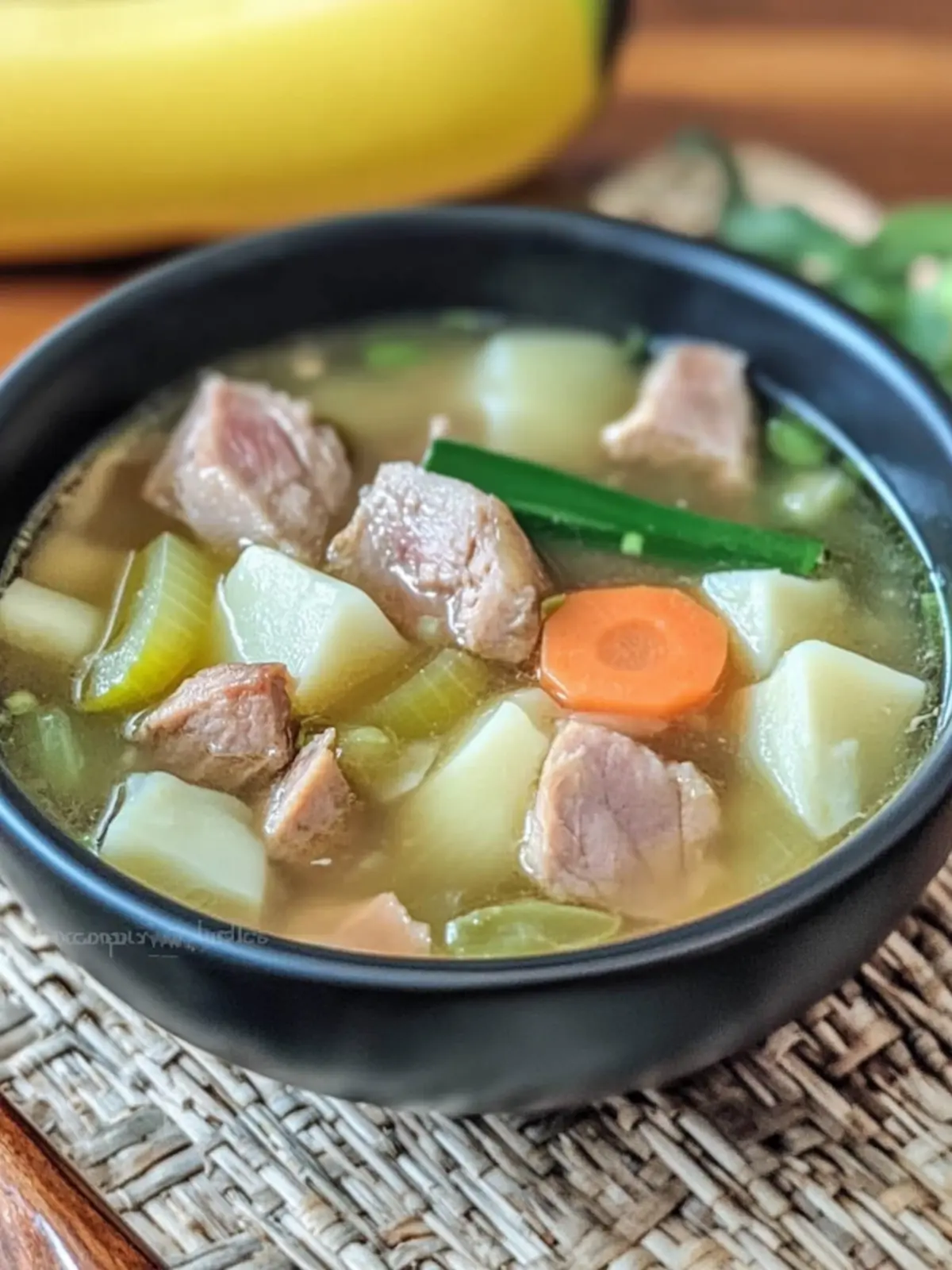
Why is Nilagang Baboy (Boiled Pork Soup) so special?
Comforting, heartwarming goodness: This dish wraps you in warmth, making any chilly evening feel cozy.
Rich, savory broth: The slow-simmered process allows the flavors to meld beautifully, resulting in a rich broth that warms the soul.
Tender meat and veggies: Each bite offers melt-in-your-mouth pork paired with soft, flavorful vegetables for a delightful texture contrast.
Family favorite: Often enjoyed at gatherings, Nilagang Baboy brings loved ones together, creating unforgettable memories around the table.
Quick and easy: With simple ingredients and straightforward steps, you can whip up this hearty soup with ease, even on busy days.
Versatile masterpiece: Feel free to customize by swapping proteins or adding your favorite veggies. For more fresh ideas, check out my post on satisfying soup variations.
Nilagang Baboy Ingredients
The essentials to create heartwarming comfort.
For the Soup
- Pork Belly or Shoulder This main protein source provides a rich flavor and tender texture; swap with beef neck bones for a hearty Beef Nilaga variant.
- Yellow Onion Adds lovely aromatics and sweetness; shallots can be used for a milder flavor if desired.
- Cabbage Offers a refreshing crunch that balances the dish’s richness; bok choy makes a good substitute if you re out of cabbage.
- Potatoes Helps thicken and add creaminess to the soup; you can use sweet potatoes for a vibrant twist.
- Saba Banana Adds a unique touch of sweetness; though optional, plantains work well as a substitute.
- Beef or Pork Broth This base is vital for a deeply flavored soup; opt for homemade or low-sodium versions for better control over saltiness.
- Whole Peppercorn Infuses warmth into the broth with its spices; black pepper can be used as a quick substitute.
- Salt Essential for enhancing the overall flavor; adjust according to your taste, especially if your broth is already salty.
- Cooking Oil For sautéing the onions; olive oil can be a healthier alternative in this recipe.
How to Make Nilagang Baboy
Sauté the Aromatics: Heat a tablespoon of cooking oil in a deep pot over medium heat. Add the chopped yellow onion and sauté until it s translucent and fragrant, about 3-4 minutes.
Add Peppercorns: Toss in the whole peppercorns and sauté for an additional 20 seconds to release their warm spice aroma.
Brown the Pork: Now, add the cubed pork belly or shoulder to the pot. Cook until it s nicely browned on all sides, which should take around 3-5 minutes.
Simmer the Broth: Pour in the beef or pork broth. Bring the mixture to a rolling boil before reducing the heat to a gentle simmer. Allow it to cook for 45-60 minutes until the pork is wonderfully tender.
Incorporate Potatoes and Bananas: Add in the cubed potatoes and sliced saba banana. Stir well and let everything cook together for about 12 minutes or until the potatoes are fork-tender.
Add the Cabbage: Gently stir in the quartered cabbage and season with salt to taste. Cover the pot and let it cook for an additional 3 minutes until the cabbage is wilted but retains its vibrant color.
Serve and Enjoy: Carefully transfer the delicious Nilagang Baboy to a serving bowl, and enjoy it warm with a side of spicy fish sauce for dipping!
Optional: Garnish with fresh herbs like cilantro for an added touch of flavor.
Exact quantities are listed in the recipe card below.
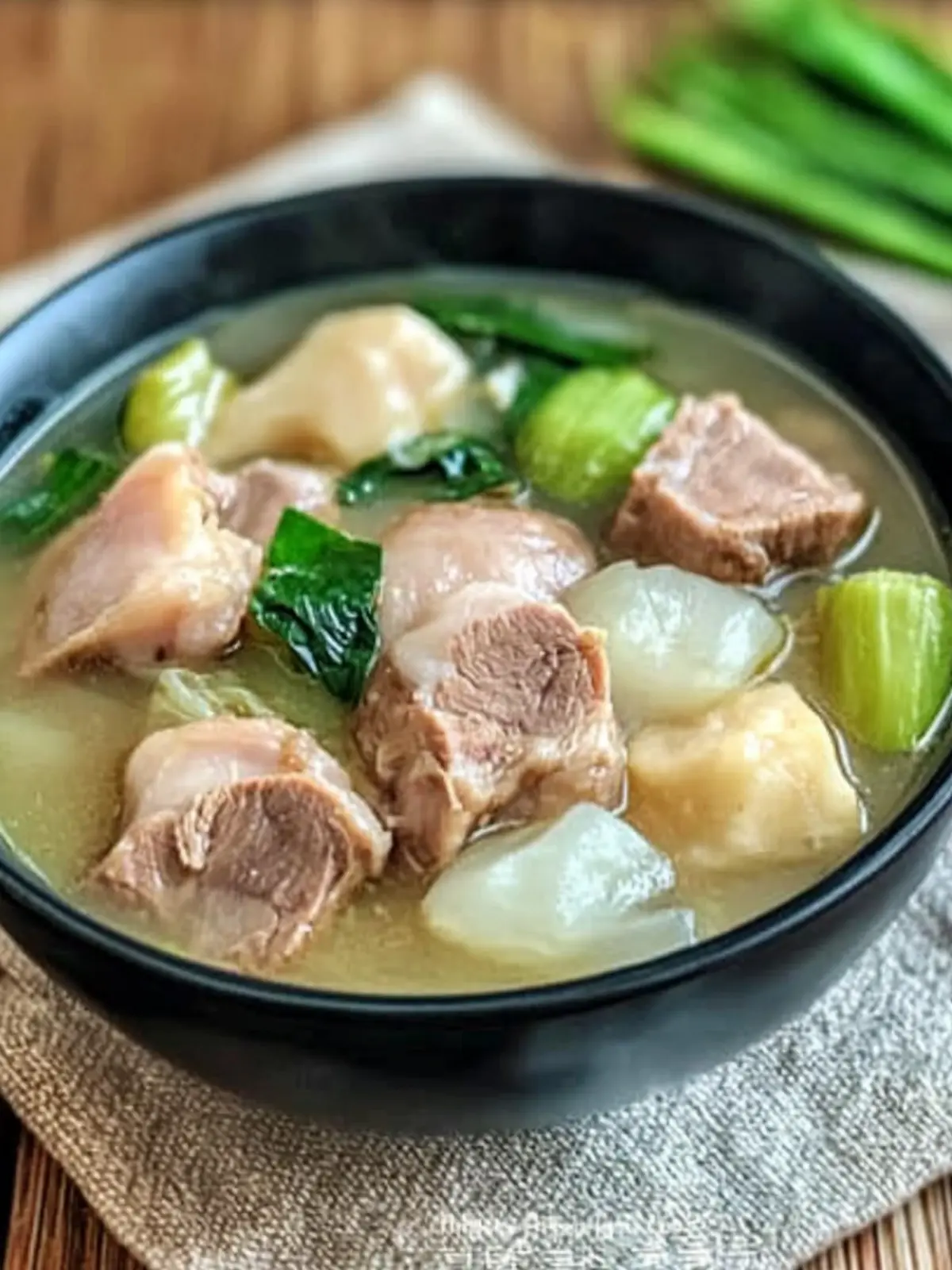
How to Store and Freeze Nilagang Baboy
Fridge: Store leftover Nilagang Baboy in an airtight container for up to 3 days. Allow the soup to cool to room temperature before sealing to maintain freshness.
Freezer: For longer storage, freeze the soup in individual portions for up to 3 months. Make sure to leave space in the containers, as liquids expand when frozen.
Reheating: When ready to enjoy, thaw overnight in the fridge, then reheat on the stove over medium heat. Stir frequently and adjust seasoning as necessary for the best flavor experience.
Avoiding Texture Changes: If possible, store the broth separately from the vegetables and pork. This helps maintain the texture of the ingredients when reheating your delicious Nilagang Baboy.
What to Serve with Nilagang Baboy (Boiled Pork Soup)?
Elevate your dining experience with delightful sides that complement the savory essence of this comforting soup.
Steamed White Rice: The fluffy grains soak up the rich broth, creating a satisfying, heartwarming combination that fuels the soul.
Garlic Fried Rice: Flavored with a hint of garlic, this dish adds a fragrant twist that enhances the overall experience of Nilagang Baboy.
Fresh Lumpia: These refreshing, light vegetable spring rolls provide a crunchy contrast, balancing the soup’s warmth with fresh flavors.
Spicy Fish Sauce: A must-have dipping sauce that adds a kick of heat and brightens the flavors of the pork, making every bite extraordinary.
Crispy Fried Fish: The crunchiness of the fish pairs beautifully with the tender pork, while also contributing delightful flavor layers to your meal.
Grilled Vegetables: Charred on the grill, a medley of veggies brings a smoky profile that beautifully complements the savory notes of the soup.
Mango Salad: This sweet and tangy salad is a refreshing accompaniment, cutting through the richness of the broth and adding bright citrusy notes.
Chilled Coconut Water: The refreshing taste of coconut water serves as a perfect palate cleanser, enhancing the overall comfort food experience.
Expert Tips for Nilagang Baboy
Simmer for Tenderness: Ensure the pork is simmered long enough, usually 45-60 minutes, to achieve that melt-in-your-mouth texture and enhance the savory flavors of your Nilagang Baboy.
Control the Broth’s Richness: If you prefer a lighter broth, forgo the cooking oil and start by boiling the meat directly in the broth before adding other ingredients.
Fish Sauce Adjustment: Add the fish sauce towards the end of cooking to provide a more nuanced flavor that melds beautifully with the broth without overpowering the other ingredients.
Vegetable Variations: Feel free to toss in other vegetables like carrots or corn to diversify flavors and add extra nutrients, making every bowl of Nilagang Baboy even heartier.
Storage Wisdom: If you’re lucky enough to have leftovers, store them in an airtight container in the refrigerator for up to 3 days. Just reheat and adjust the seasoning before serving for continued enjoyment!
Make Ahead Options
These Nilagang Baboy (Boiled Pork Soup) are perfect for meal prep enthusiasts! You can prepare the soup base, including sautéing the onions and browning the pork, up to 24 hours in advance. Simply refrigerate the cooked mixture in an airtight container. You can also chop the vegetables like cabbage and potatoes a day ahead, keeping them in water to maintain freshness. When you re ready to serve, reheat the soup on the stove, add the prepped veggies, and simmer until tender. This way, you ll enjoy a hearty, soul-warming bowl with minimal effort, making those busy nights just a little easier!
Nilagang Baboy (Boiled Pork Soup) Variations
Embrace your culinary creativity and customize this recipe to suit your taste buds!
Beef Alternates: Swap pork for beef neck bones or shank for a rich, hearty variant. A beef twist will bring a whole new flavor profile to this beloved soup.
Veggie Boost: Add corn or carrots for extra sweetness and texture. These vibrant additions not only enhance the health factor but also make the dish visually appealing.
Sweet Potato Swap: Use sweet potatoes instead of regular potatoes for a delightful sweetness and added nutrition. The creaminess of sweet potatoes pairs beautifully with the savory broth.
Spicy Kick: Sprinkle in some sliced chili peppers for a spiced-up version that warms you from the inside out. It adds a whole new dimension to the comforting soup.
Dairy-Free Option: Omit any cooking oil and use a splash of coconut oil for a unique flavor twist while keeping it completely dairy-free. This substitution adds a lovely coconut aroma to the dish.
Herb Infusion: Experiment with fresh herbs like thyme or bay leaves added during the simmering process for a layered aromatic experience that enhances the broth s complexity.
Protein Variety: Incorporate chicken thighs for a lighter alternative that still delivers tender meat. This option is perfect if you’re looking for a different protein source while maintaining that comforting essence.
Clearing the Palate: Serve alongside a side of pickled vegetables for a tangy contrast that cuts through the richness of the soup, elevating your dining experience!
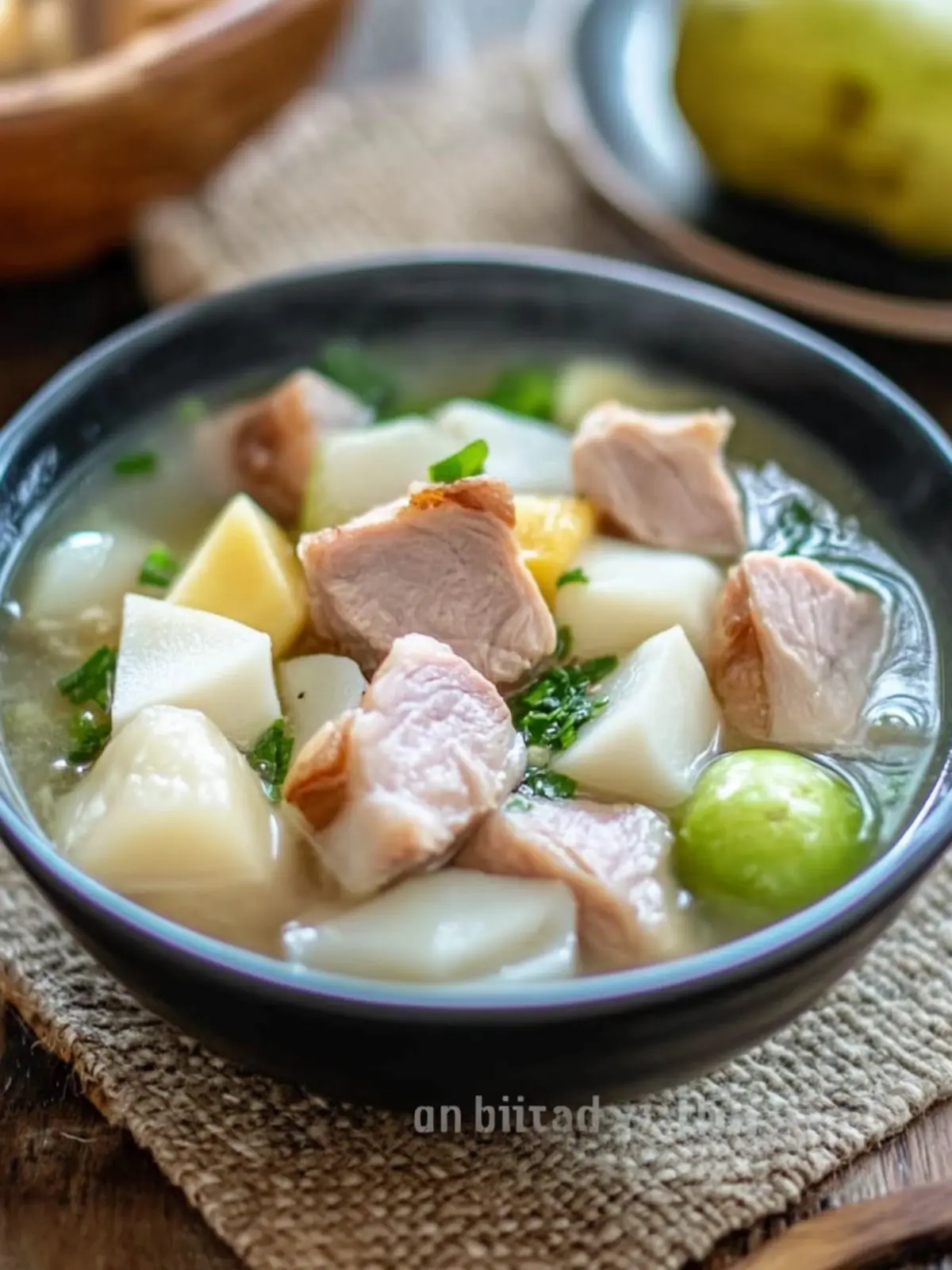
Nilagang Baboy (Boiled Pork Soup) Recipe FAQs
What type of pork should I use for Nilagang Baboy?
Absolutely! You can use pork belly or shoulder to achieve a rich and tender texture. If you prefer a beef variant, beef neck bones work wonderfully too. Just make sure to adjust cooking times accordingly if using a tougher cut of meat.
How should I store leftovers of Nilagang Baboy?
To store leftover Nilagang Baboy, let it cool to room temperature and transfer it to an airtight container. It will keep well in the refrigerator for up to 3 days. When ready to enjoy, just reheat it on the stove until warmed through. Remember to taste it and adjust seasoning as necessary!
Can I freeze Nilagang Baboy?
Absolutely! You can freeze this hearty soup in individual portions for up to 3 months. Use food-safe containers, leaving some space at the top since liquids expand when frozen. When ready to eat, thaw it overnight in the refrigerator, then reheat gently on the stove, stirring frequently.
What can I do if my Nilagang Baboy is too oily?
If you find your Nilagang Baboy a bit too oily, there are a few tricks you can use. One method is to let the soup cool and skim off the fat that rises to the surface. Alternatively, you could skip the cooking oil entirely and boil the pork directly in the broth at the beginning, which will yield a rich flavor without excess oil.
Is Nilagang Baboy suitable for people with dietary restrictions?
Very! Nilagang Baboy is naturally gluten-free, making it a great option for those avoiding gluten. However, if you’re serving someone with food allergies or sensitivities, check that your broth and fish sauce are free from allergens such as wheat or soy. Always feel free to adapt the recipe with substitutions that suit your loved ones needs!
How can I customize the vegetables in my Nilagang Baboy?
The more, the merrier! Don’t hesitate to add extra vegetables like corn or carrots to your Nilagang Baboy. You could even incorporate leafy greens like spinach for added nutrition. If you’re looking for a thicker soup, consider mashing some of the potatoes before adding the cabbage. Just follow your taste preferences and enjoy experimenting!