
Delicious Homemade Jiu Niang: Your Sweet Rice Adventure
Last Updated on May 8, 2026 by juliarecipez
There s something special about the gentle hum of fermentation quietly working its magic in the kitchen, and this Homemade Jiu Niang (Fermented Sweet Rice) takes that experience to another level. Picture yourself savoring that first spoonful its creamy, rice pudding-like texture melting in your mouth, paired with the delicate sweetness that carries a hint of alcohol. It s an enchanting dessert that s steeped in tradition, perfect for warming up chilly evenings or impressing guests at your next intimate gathering.
I stumbled upon Jiu Niang while exploring authentic Chinese recipes and instantly knew I had to try making it from scratch. The versatility of this delightful treat is astounding it can be enjoyed on its own, added to desserts, or even substituted for rice wine in savory dishes, infusing them with a unique flavor. Whether you are a seasoned home cook or a curious beginner, this recipe will not only bring a taste of China into your home but will also add a truly special dish to your repertoire. Let s dive into the process of creating your own batch of this delicious fermented delicacy!
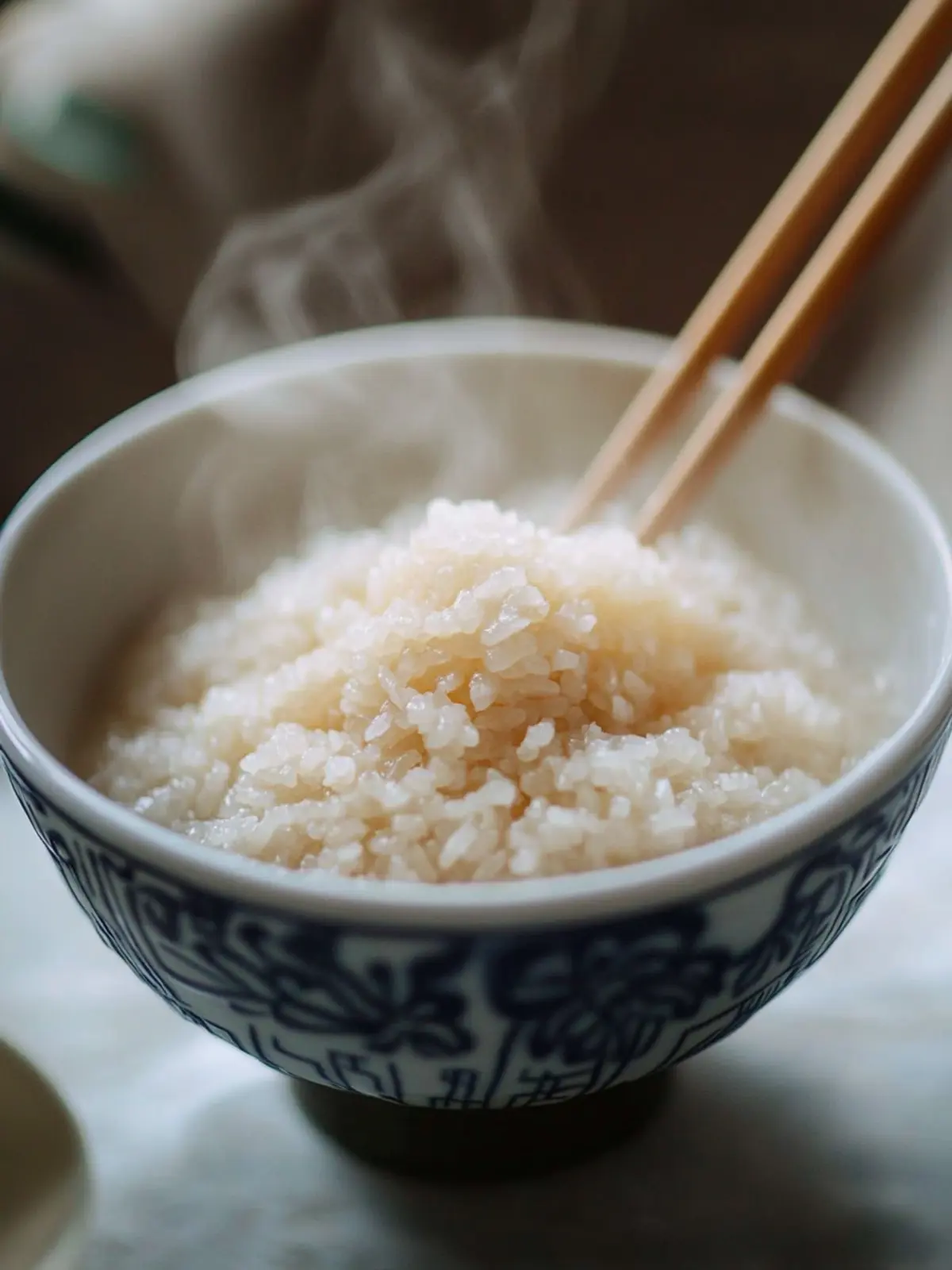
Why is Jiu Niang a Must-Try?
Uniquely Authentic: Making your own Jiu Niang brings the delightful flavors of authentic Chinese cuisine right to your kitchen.
Ease of Preparation: With straightforward instructions, even novice cooks can master this fermented dessert.
Versatile Delight: Enjoy it warm or cold, atop desserts or in savory dishes, making it a perfect addition to any meal!
Cultural Experience: Embrace the rich traditions of Chinese fermentation and elevate your cooking with this unique ingredient.
Crowd-Pleasing Treat: Whether for a cozy night in or a dinner party, your guests will love trying this unique flavor!
Jiu Niang Ingredients
For the Fermented Rice
- Sticky Rice This is the base for your Jiu Niang, so using authentic glutinous rice is key for a successful fermentation process.
- Jiu Qu (Distiller s Yeast) This essential component allows the rice to develop that sweet and slightly alcoholic flavor characteristic of Jiu Niang.
- Water Use clean, room-temperature water to hydrate the rice and kick-start the fermentation.
Optional Add-Ons
- Sesame Seeds Sprinkling these on top enhances texture and adds a nutty flavor for an exciting twist!
- Coconut Flakes These can introduce a hint of tropical sweetness, complementing the Jiu Niang beautifully.
By gathering these ingredients, you are not just preparing a dish; you are about to embark on a delightful culinary adventure that combines tradition with your own personal touch! Enjoy the fermentation process, and look forward to savoring your homemade Jiu Niang soon!
How to Make Jiu Niang
Prepare the Rice: Rinse your sticky rice under cold water until it runs clear. Soak it in water for about 6-8 hours to achieve perfect texture for fermentation.
Steam the Rice: After soaking, drain the rice and steam it in a bamboo or metal steamer. Cook until the grains are translucent and sticky, usually around 30-40 minutes.
Cool the Rice: Once cooked, spread the rice out on a clean surface, allowing it to cool to room temperature. This step is crucial for successful yeast activation.
Add Yeast: Evenly sprinkle the jiu qu over the cooled rice, using a clean spoon or spatula to mix them together. Make sure it s well combined for consistent fermentation.
Fermentation: Transfer the mixture to a sterilized glass container, cover it loosely with a cloth, and let it ferment in a warm spot (around 77°F or 25°C) for 2-4 days. Look for bubbles and a sweet aroma!
Stop Fermentation: When the desired sweetness is reached, place the container in the refrigerator to halt fermentation, preserving that delightful flavor.
Optional: Enjoy it warm with a sprinkle of sesame seeds for added texture!
Exact quantities are listed in the recipe card below.
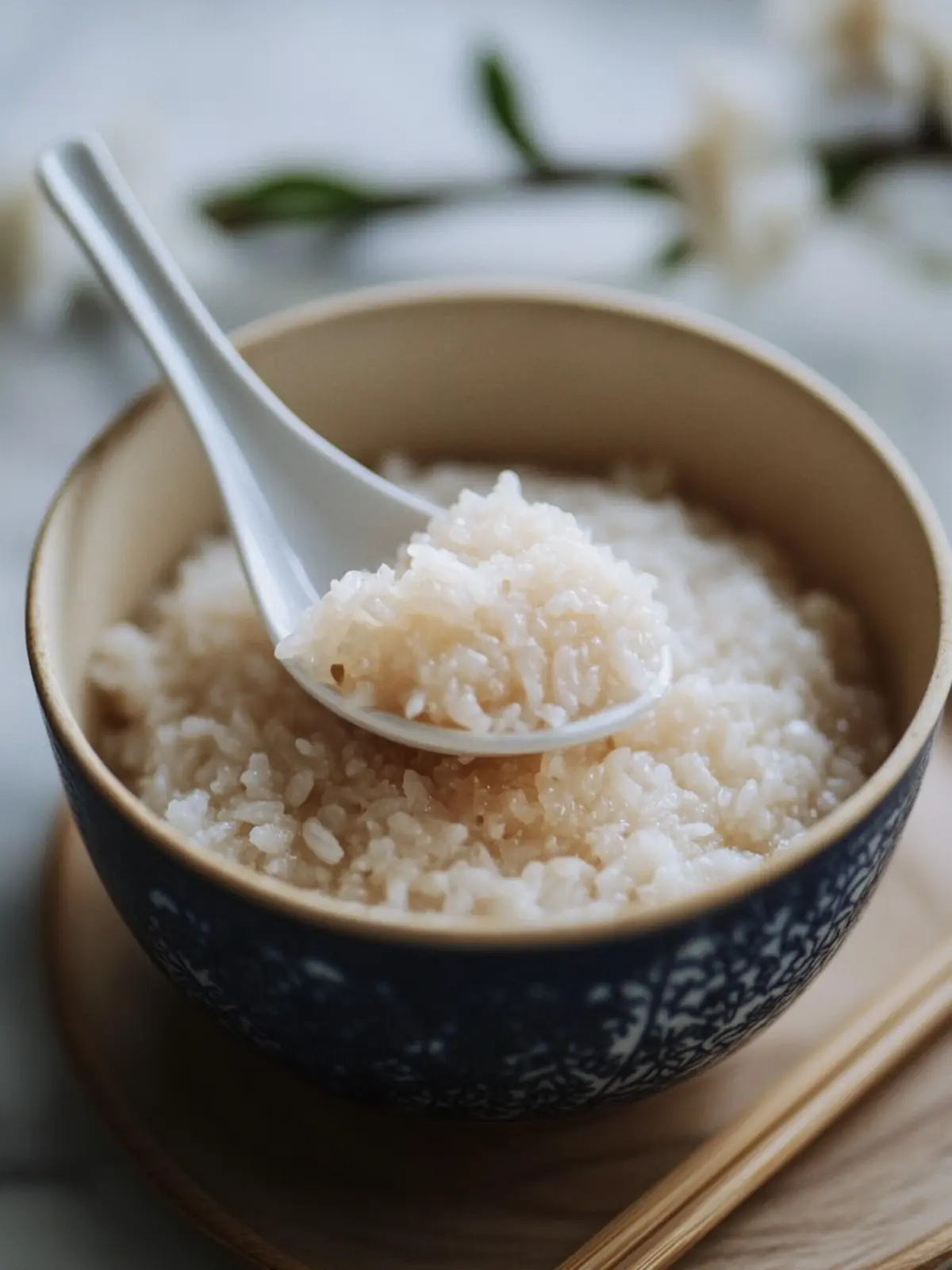
What to Serve with Jiu Niang?
Savoring homemade Jiu Niang opens up delightful possibilities for pairing it can elevate any meal with its sweet, creamy texture.
Sweet Tang Yuan: These sticky rice dumplings complement Jiu Niang beautifully, adding a chewy texture that contrasts with its creamy consistency. Together, they make a comforting dessert combo, perfect for chilly evenings.
Coconut Sticky Rice: The slight sweetness of coconut-infused rice enhances Jiu Niang’s flavors while offering a tropical twist that excites the palate.
Sesame Balls: Their crispy exterior and sweet filling provide a delightful crunchy contrast to the rich, soft Jiu Niang. This pairing is sure to impress at gatherings.
Fresh Fruit Salad: Bright, juicy fruits like mango, lychee, or kiwi add a fresh zing that balances Jiu Niang’s sweetness, making it a refreshing dessert option.
Roasted Nuts: A handful of roasted almonds or cashews introduces a crunchy texture and earthy flavor that beautifully complements the sweetness of Jiu Niang.
Warm Ginger Tea: The subtle spice of ginger tea harmonizes with the flavors of Jiu Niang, creating a warm and soothing beverage duet that s perfect for any occasion.
Enjoy experimenting with these pairings, and let your creative culinary spirit run wild!
Storage Tips for Jiu Niang
Fridge: Store homemade Jiu Niang in an airtight container in the refrigerator for up to 1-2 months to preserve freshness and flavor.
Freezer: For longer storage, freeze in small portions; it can last up to 3 months. Thaw in the fridge before serving to retain its delicate texture.
Reheating: When reheating, gently warm on the stove or in the microwave, adding a splash of water to maintain creaminess without overcooking.
Airtight Storage: Ensure containers are tightly sealed to prevent moisture loss and preserve the sweet, aromatic qualities of your Jiu Niang.
Jiu Niang Variations & Substitutions
Feel free to personalize your homemade Jiu Niang with these delightful ideas that promise to elevate your culinary experience!
Sweet Toppings: Top with sesame seeds for a nutty crunch, or toasted coconut for a hint of tropical sweetness.
Imagine the rich texture of the sweet rice mingling with the crunchy toppings, making for an unforgettable bite!Flavor Infusion: Incorporate a splash of vanilla extract or a sprinkle of cinnamon to add warmth and a lovely aromatic twist to your Jiu Niang.
These flavors beautifully complement the inherent sweetness, transforming your dessert into a cozy indulgence.Dairy-Free Option: Use almond milk or coconut milk as an alternative to pair with Jiu Niang for an added layer of creaminess.
This not only enhances the flavor but also makes it a great option for those reducing dairy in their diets.Savory Variant: Swap out traditional ingredients by using Jiu Niang in place of rice wine in dishes like stir-fried vegetables or meats.
The sweet undertones will bring a wonderful depth, leaving your taste buds dancing with pleasure!Fruity Addition: Mix in chopped mango or lychee to the finished Jiu Niang for a fresh, fruity burst that perfectly balances the sweetness.
This adds a refreshing twist, making it a delightful treat for hot summer days.Spicy Kick: For those who adore a bit of heat, add a pinch of chili flakes or drizzle with sriracha on your savory dishes featuring Jiu Niang.
This combination creates an exciting contrast that will intrigue anyone lucky enough to taste it!Nutty Flavor: Blend in crushed walnuts or peanuts for a heartier texture and earthy taste.
Each bite will surprise you with a delightful crunch that pairs beautifully with the creamy rice.Health Boost: Consider adding chia seeds or flaxseeds for a nutritious touch, offering heart-healthy benefits without compromising on flavor.
This simple addition not only elevates the health aspect but introduces a fascinating texture too!
Expert Tips for Jiu Niang
Cleanliness is Key: Always use sterilized containers and utensils to prevent unwanted mold from forming during fermentation.
Watch the Temperature: Keep your fermentation area around 77°F (25°C); temperatures over 80°F can lead to overly rapid fermentation, affecting the flavor of your Jiu Niang.
Taste Testing: Check daily for sweet aromas and bubbles; this indicates active fermentation. Adjust the time according to your sweetness preference!
Don t Rush Cooling: Ensure the rice cools completely before adding the yeast, as too much warmth can kill the yeast or lead to uneven fermentation.
Stir Gently: When mixing the yeast into the rice, use a light hand to avoid breaking the grains and maintain a nice texture in your final Jiu Niang.
Make Ahead Options
These delightful batches of Jiu Niang (Fermented Sweet Rice) are perfect for meal prep enthusiasts! You can soak and steam the sticky rice up to 24 hours in advance, ensuring that it’s ready to ferment when you’re ready. Once cooled, add the jiu qu and mix well. Transfer the mixture to a sterilized container, covering it loosely, and let it ferment for 2-4 days in a warm spot. To maintain quality, refrigerate the Jiu Niang to stop fermentation once it reaches the desired sweetness, keeping its flavor fresh. When it s time to serve, simply warm it up and garnish with your favorite toppings for a sweet treat that s just as delicious as freshly made but with far less effort on hectic weeknights!
Jiu Niang (Fermented Sweet Rice) Recipe FAQs
What type of rice should I use for Jiu Niang?
Absolutely! For the best results, opt for glutinous or sticky rice. This type of rice is essential for an authentic texture and flavor during the fermentation process, giving your Jiu Niang that delightful creaminess.
How long does homemade Jiu Niang last in the refrigerator?
Homemade Jiu Niang can be stored in an airtight container in the refrigerator for about 1-2 months. Just make sure to keep it sealed tightly to maintain its sweet aroma and prevent moisture loss.
Can I freeze Jiu Niang, and if so, how?
Very much so! To freeze, divide Jiu Niang into small portions and place them in airtight containers or freezer bags. It can last up to 3 months in the freezer. When you re ready to enjoy it, simply thaw in the refrigerator overnight, then gently reheat on the stove or in the microwave, adding a splash of water for creaminess!
What should I do if my Jiu Niang is not fermenting properly?
If you find that your Jiu Niang isn t fermenting as expected, there could be a few factors at play. First, ensure that your fermentation space is warm ideally around 77°F (25°C). If it s too cold, the fermentation process will be slow. Also, check that you ve used fresh jiu qu (distiller s yeast). If everything seems right but it s still not bubbling, give it a gentle stir to incorporate any yeast that might have settled at the bottom.
Is Jiu Niang safe for people with gluten allergies?
The default recipe for Jiu Niang is not gluten-free, as it typically uses sticky rice, which contains gluten. If you or someone you’re serving has gluten sensitivities, it s best to avoid this treat unless you can source gluten-free sticky rice. Always check the labels, especially for the jiu qu, as some yeast products may also contain gluten.