
Delicious Japanese Daifuku: Easy Stuffed Rice Cake Recipe
Last Updated on May 8, 2026 by juliarecipez
The delicate aroma of sweet red bean paste mingled with the soft, chewy texture of glutinous rice is a memory that always lifts my spirits. Daifuku, these charming Japanese rice cakes, have a way of bringing warmth to any gathering, whether it’s a cozy tea time with friends or a festive celebration. What I love most is their versatility while traditional Daifuku is filled with anko, you can easily swap in fresh fruit or even rich matcha paste for a unique twist.
As someone who grew tired of the same old desserts, crafting these delightful treats at home quickly became a cherished ritual. With just a few simple ingredients and a little patience, you’ll create a tender confection that melts in your mouth. Join me as we explore this easy homemade Daifuku recipe, and discover how even novice cooks can share these delightful bites with family and friends.
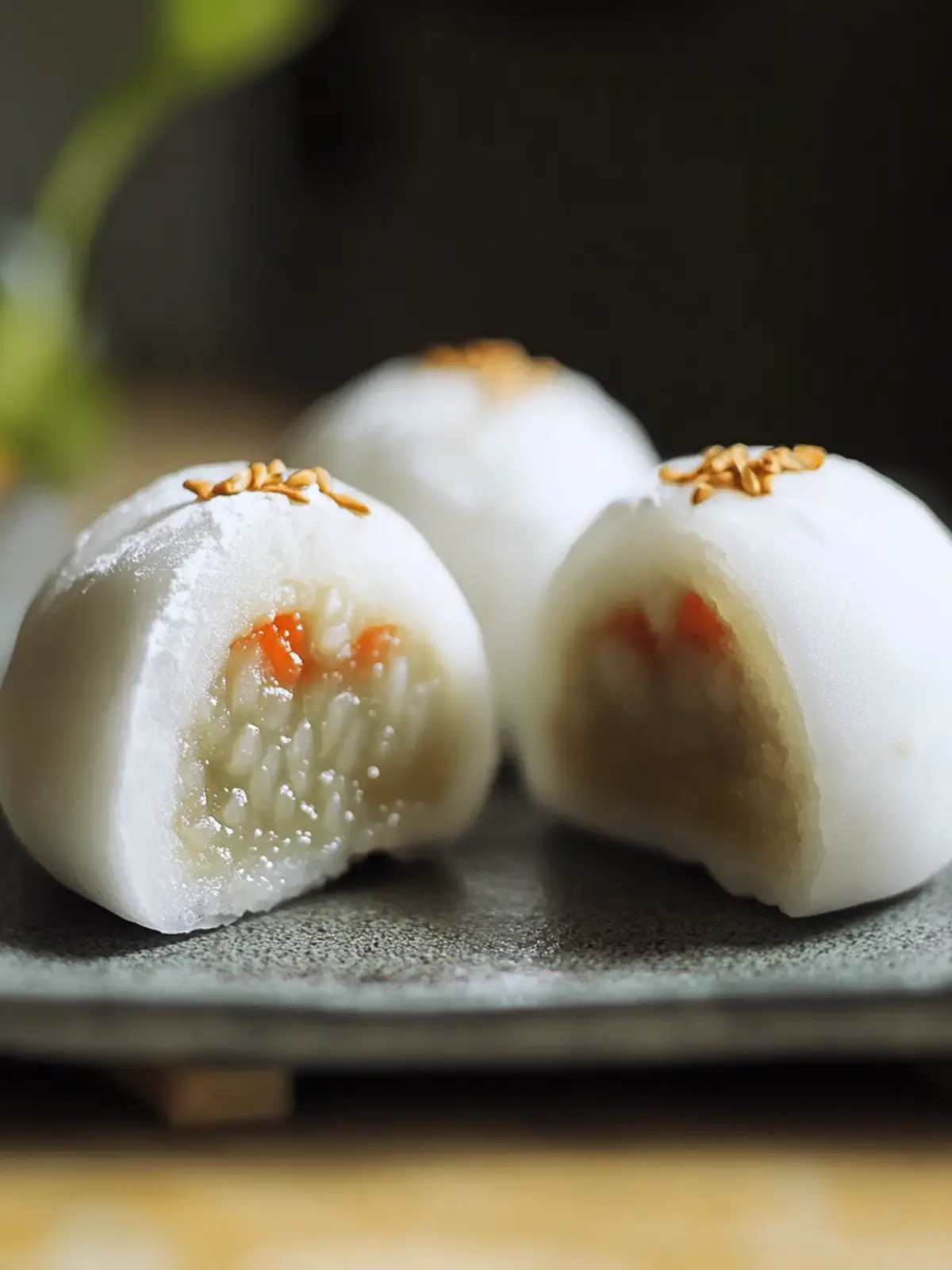
Why is Japanese Daifuku so special?
Simplicity: Making delicious Japanese Daifuku is surprisingly easy, requiring minimal ingredients and just a few steps.
Versatile Fillings: You can customize the sweet filling from traditional anko to fresh fruits or matcha making each experience unique!
Crowd-Pleaser: These soft, chewy treats are perfect for sharing and impressing guests at any gathering.
Gluten-Free Delight: Enjoy a sweet treat that fits gluten-free diets without sacrificing flavor.
Quick to Prepare: Whip up a batch in just under 30 minutes; they re a great option for last-minute cravings or surprises!
Dive into this delightful world of flavors with our easy-to-follow recipe for homemade Daifuku!
Japanese Daifuku Ingredients
For the Dough
- Glutinous Rice Flour (Mochiko) This key ingredient creates the signature chewy texture; no substitutions with regular flour.
- Sugar Sweetens the dough beautifully, though feel free to reduce for a less sweet experience.
- Water Essential for binding and hydrating the flour; keeping it consistent is important for the perfect dumpling.
- Corn Starch Prevents the dough from sticking during preparation; use generously for dusting surfaces.
For the Filling
- Sweetened Red Bean Paste (Anko) The traditional filling with a sweet and earthy flavor; also, explore variations like fruit or matcha!
Enjoy your journey into crafting these delightful Japanese Daifuku at home!
How to Make Japanese Daifuku
Mix Ingredients: In a microwave-safe bowl, combine glutinous rice flour and sugar. Gradually stir in water until a smooth batter forms, ensuring there are no lumps.
Microwave: Cover the bowl with plastic wrap, allowing a small vent for steam to escape. Microwave for 1 minute, then stir the mixture to remove any lumps that may have formed.
Check Consistency: Microwave again for another minute. Check the consistency; if it s not translucent yet, continue microwaving in 30-second intervals until the dough becomes slightly translucent and soft.
Prepare the Surface: Dust a clean work surface and your hands with cornstarch to prevent sticking. Transfer the cooked dough onto the surface and flatten it to about 1/4-inch thick.
Cut and Fill: Slice the flattened dough into 8 equal pieces. Flatten each piece further, place about a tablespoon of the filling in the center, and pinch the edges together to form a sealed ball.
Shape and Serve: Gently roll each assembled Daifuku in your hands for a smooth finish. Serve fresh, brushing off any excess cornstarch for a clean presentation.
Optional: Drizzle with a little honey for added sweetness before serving!
Exact quantities are listed in the recipe card below.
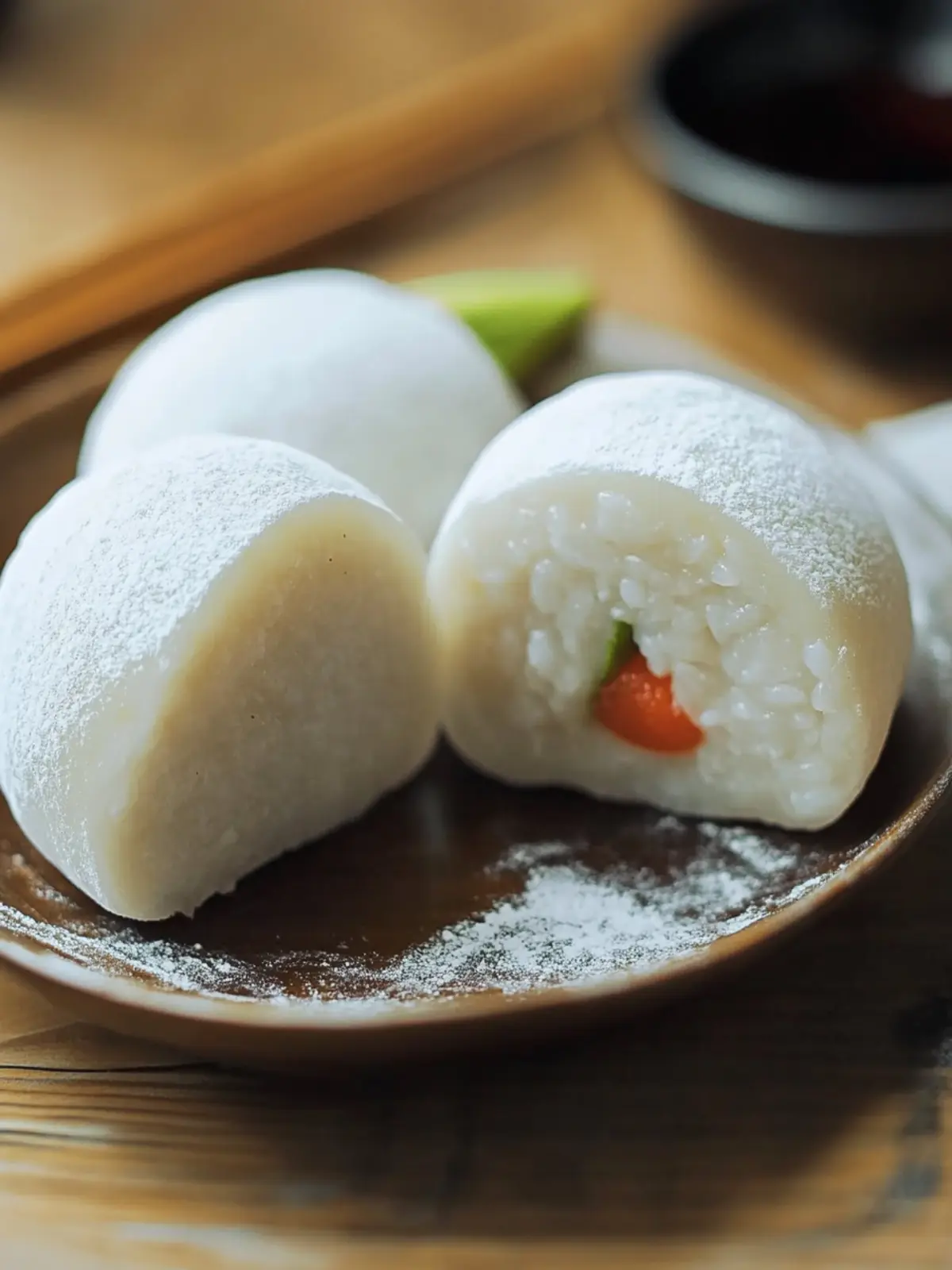
Expert Tips for Japanese Daifuku
- Perfect Consistency: Ensure the dough reaches a slightly translucent appearance; undercooking can result in a gummy texture while overcooking can make it tough.
- Avoid Sticky Hands: Dust your hands and the dough with enough cornstarch to prevent it from sticking during shaping, making your process smoother.
- Filling Ideas: Experiment with different fillings like fruits or matcha paste which can enhance your Japanese Daifuku experience while keeping the delightful chewiness intact.
- Keep it Fresh: Consume your Daifuku within a day for the best texture; they can dry out quickly after that.
- Microwave Settings: If your microwave has a lower wattage, adjust cooking times accordingly to achieve the right consistency without overcooking.
What to Serve with Japanese Daifuku?
Enjoying these delightful treats is even better when paired with complementary flavors and textures that enhance the experience.
Green Tea: The subtle bitterness of freshly brewed green tea beautifully balances the sweetness of Daifuku, creating a harmonious pairing that s a classic in Japanese culture.
Matcha Ice Cream: The creamy richness of matcha ice cream adds a luxurious contrast to the chewy texture of Daifuku, while its earthy flavor complements the sweet filling perfectly.
Fruit Salad: A refreshing fruit salad with seasonal fruits can provide a delightful crunch and bright acidity, enhancing the overall sweetness and making each bite exciting.
Red Bean Soup: This warm, sweet soup offers a comforting and smooth texture that echoes the flavors found in Daifuku, creating a cozy dessert moment together.
Light Sorbet: A tangy fruit sorbet can cleanse the palate between bites, offering a refreshing contrast that makes your dessert experience feel even lighter and more satisfying.
Nuts or Seeds: A sprinkle of roasted sesame seeds or crushed nuts on top of Daifuku adds crunch and nuttiness, enhancing its soft texture while introducing additional flavor layers.
Sparkling Water with Citrus: A light, bubbly drink with a hint of citrus elevates your dessert experience by adding effervescence and a zesty kick to counterbalance the richness of the sweet filling.
Sweet Sake: For the adults, a glass of sweet sake enhances the traditional aspect of enjoying Daifuku, offering a smooth, aromatic sip that pairs nicely with the dessert s flavors.
Elevate your homemade Japanese Daifuku experience by trying out these delightful accompaniments that highlight the joyous flavors of this beloved treat!
Storage Tips for Japanese Daifuku
- Room Temperature: Enjoy your Daifuku fresh for optimal taste, but they can be kept at room temperature for up to 1 day in an airtight container to prevent drying.
- Fridge: If you need to store leftovers, place the Daifuku in an airtight container in the fridge for up to 3 days, but be aware that the texture may change slightly.
- Freezer: For longer storage, freeze the Daifuku in a single layer before transferring them to an airtight bag or container; they can last up to 1 month. Thaw in the fridge before enjoying.
- Reheating: To enjoy leftover Daifuku, allow them to come to room temperature, or microwave for a few seconds to regain their softness, but avoid overheating to retain the perfect texture.
Make Ahead Options
These delightful Japanese Daifuku are perfect for meal prep enthusiasts! You can prepare the mochi dough up to 24 hours in advance, storing it tightly wrapped in plastic wrap in the refrigerator to keep it fresh and moist. As for the filling, the sweetened red bean paste (anko) or other custom fillings can also be made ahead and stored in an airtight container for up to 3 days in the fridge. When you re ready to serve, simply bring the dough back to room temperature, roll and fill with your prepared filling, then shape and dust with cornstarch as needed. This way, you’ll enjoy fresh, homemade Daifuku with minimal effort, perfect for busy weeknights or unexpected guests!
Japanese Daifuku Variations
Feel free to unleash your creativity with these delightful twists on the classic Daifuku!
Fruit-Filled: Substitute anko with fresh strawberries or sliced mango for a burst of fresh flavor. The fruity filling brings a refreshing lightness that contrasts beautifully with the chewy rice cake.
Matcha Magic: Mix some matcha powder into the filling for a calming green tea flavor. This adds an earthy depth that pairs wonderfully with the subtle sweetness of the Daifuku dough.
Chocolate Indulgence: For chocolate lovers, try using sweetened chocolate ganache as your filling. This decadent treat will surely satisfy any sweet tooth!
Nutty Richness: Incorporate finely ground nuts, like almonds or hazelnuts, mixed with honey for a rich, textural twist. The nuttiness brings warmth and is delightful against the soft, chewy cake.
Spice It Up: Add a dash of cinnamon or cardamom to the dough for an aromatic experience. These spices complement the sweetness of the fillings and create a cozy flavor profile.
Custard Surprise: Use custard or pastry cream as the filling for a creamy texture that contrasts with the chewy outer layer. Rich and smooth, it s a dreamy indulgence!
Savory Option: For an unexpected spin, fill Daifuku with sweetened pumpkin purée or mashed sweet potatoes. This savory-sweet combination will surprise and delight your taste buds.
Coconut Cream: Use coconut cream as filling for a tropical flavor package. This variation brings a rich, creamy element that adds a luscious richness to each bite.
Explore these variations, or combine ideas to make your own perfect creation!
Japanese Daifuku Recipe FAQs
What type of glutinous rice flour should I use for Daifuku?
Absolutely use Mochiko, which is specifically designed for making mochi and Daifuku. Regular rice flour won t provide the same chewy texture and may yield a complete lack of integrity in your sweet cakes.
How should I store leftover Daifuku?
For the best results, store your Daifuku in an airtight container at room temperature for up to 1 day. If you want to keep them longer, you can refrigerate them for up to 3 days, but be mindful that the texture may change slightly. Just remember to dust them lightly with cornstarch again if they feel sticky.
Can I freeze Daifuku, and if so, how?
Yes, you can freeze your Japanese Daifuku! After assembling the treats, place them in a single layer on a baking sheet lined with parchment paper and freeze until firm. Then, transfer them to an airtight freezer bag or container, where they can last for up to 1 month. To enjoy, thaw them in the fridge overnight or let them come to room temperature.
What should I do if my Daifuku dough is too sticky?
Very common! If your dough is too sticky while assembling, sprinkle more cornstarch on your hands and the work surface. Additionally, ensure that you did not skip the dusting of cornstarch on the formed pieces, as this prevents them from sticking together as they set.
Are there any dietary restrictions I should consider when making Daifuku?
Great question! The primary ingredient in Daifuku, glutinous rice flour, is gluten-free, making it a delightful sweet for those with gluten intolerance. However, if you re using filling options like anko or fruit, it s wise to check for any additional allergens or sugars if you’re catering to those with specific dietary needs.
Can I use different fillings besides anko?
Absolutely! The more the merrier when it comes to Daifuku fillings. You can experiment with fresh fruit like strawberries, matcha paste for a unique twist, or even whipped cream for a rich dessert experience. Just be sure that whatever filling you use is sweet enough to balance the chewy texture of the rice cake!