Filipino Bibingka (Rice Cake) Magic: A Festive Delight
Last Updated on May 8, 2026 by juliarecipez
The first time I tasted Bibingka, I was enchanted by its unique combination of flavors and textures. This Filipino rice cake, baked in banana leaves, has a softness that invites you in, and a subtle sweetness that dances on your palate. Each bite carries the rich aroma of coconut, complemented by the savory notes of salted eggs and cheese atop a golden crust.
What I love most about Bibingka is its versatility; it can be the centerpiece of festive gatherings or a cozy treat after a long day. It reminds me of family celebrations, especially during Christmas, when the scent of this delicious dessert fills the air.
Whether you re an experienced chef or someone eager to bring a taste of the Philippines to your kitchen, this recipe is straightforward enough to create a stunning dish that will wow your friends and family. Let s dive into this delightful hybrid of tradition and comfort, and I ll show you how to whip up your own perfect Bibingka!
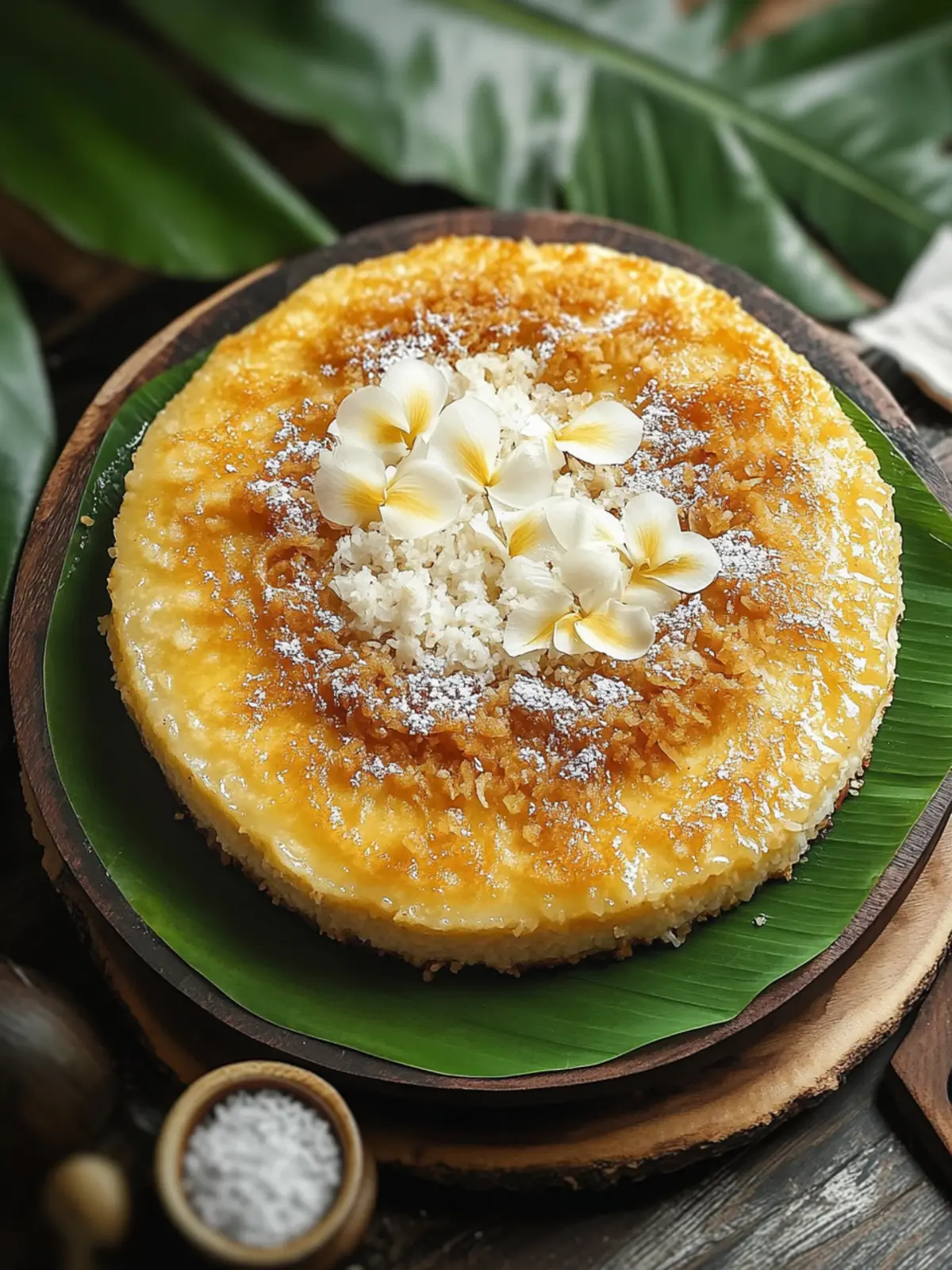
Why is Filipino Bibingka so special?
Rich Traditions: This rice cake is deeply rooted in Filipino culture, often enjoyed during festive occasions like Christmas.
Heavenly Aroma: The use of banana leaves adds a unique smokiness and fragrance that enhanced its appeal.
Decadent Flavors: Sweet coconut milk paired with savory toppings like salted eggs and cheese creates a flavor explosion that is both comforting and indulgent.
Easy to Make: With straightforward steps, even beginner cooks can impress their loved ones with this delicious treat.
Versatile Treat: Customize your Bibingka with various toppings or substitutions based on your preferences, making it a new favorite for any occasion.
Filipino Bibingka Ingredients
Get ready to create this beloved rice cake!
For the Batter
- Rice Flour Provides structure and a soft texture. Substitution: Mix glutinous rice flour with regular rice flour, 50:50.
- Baking Powder Helps the cake rise for a light texture.
- Caster Sugar Adds sweetness to balance flavors.
- Coconut Milk Contributes moisture and coconut flavor. Alternative: Use dairy milk for a lighter flavor.
- Fresh Milk Enhances cake’s richness.
- Eggs Provides structure and richness. Tip: Beat until just combined to maintain fluffiness.
- Unsalted Butter Adds richness and flavor. Note: Melt before mixing into wet ingredients.
- Salted Duck Egg Offers a savory topping and adds flavor contrast. Alternative: Use mild cheddar if unavailable.
- White Cheese (Queso de Bola) Adds creaminess and saltiness. Note: Use mild cheddar for a similar taste.
- Desiccated Coconut For texture and presentation. Tip: Lightly toast for added flavor.
- Banana Leaves Provide aroma during baking and serve as a natural baking container. Preparation: Soften over flame or hot water.
How to Make Filipino Bibingka
Preheat: Start by preheating your oven to 190°C (375°F). This sets the perfect stage for your bibingka to bake evenly.
Prepare Tins: Line small round tins with softened banana leaves, allowing them to overhang. This will give your bibingka that signature aroma while baking!
Mix Dry Ingredients: In a large bowl, whisk together the rice flour, baking powder, caster sugar, and a pinch of sea salt until well combined.
Combine Wet Ingredients: In another bowl, lightly beat the eggs, then add the coconut milk, fresh milk, and melted butter. Stir until smooth and combined.
Create Batter: Gradually combine the wet ingredients into the dry mixture and whisk gently to form a smooth batter. Allow it to rest for 10 minutes this helps develop the texture.
Fill Tins: Ladle the batter into the prepared tins, filling them about two-thirds full. This gives room for the cake to rise beautifully.
Add Toppings: Top with slices of salted duck egg and cheese, gently pressing them into the batter for a savory infusion as it bakes.
Bake: Arrange the tins on a baking tray and bake for 2530 minutes until they are golden brown and a skewer inserted in the center comes out clean.
Finish with Butter: Once baked, remove from the oven and immediately brush the tops with softened butter. Sprinkle lightly toasted desiccated coconut on top for an extra touch of flavor.
Serve: Serve the bibingka warm, accompanied by additional grated cheese or salted egg slices, and perfect with tea or coffee.
Optional: Top with more toasted coconut for added crunch and texture!
Exact quantities are listed in the recipe card below.
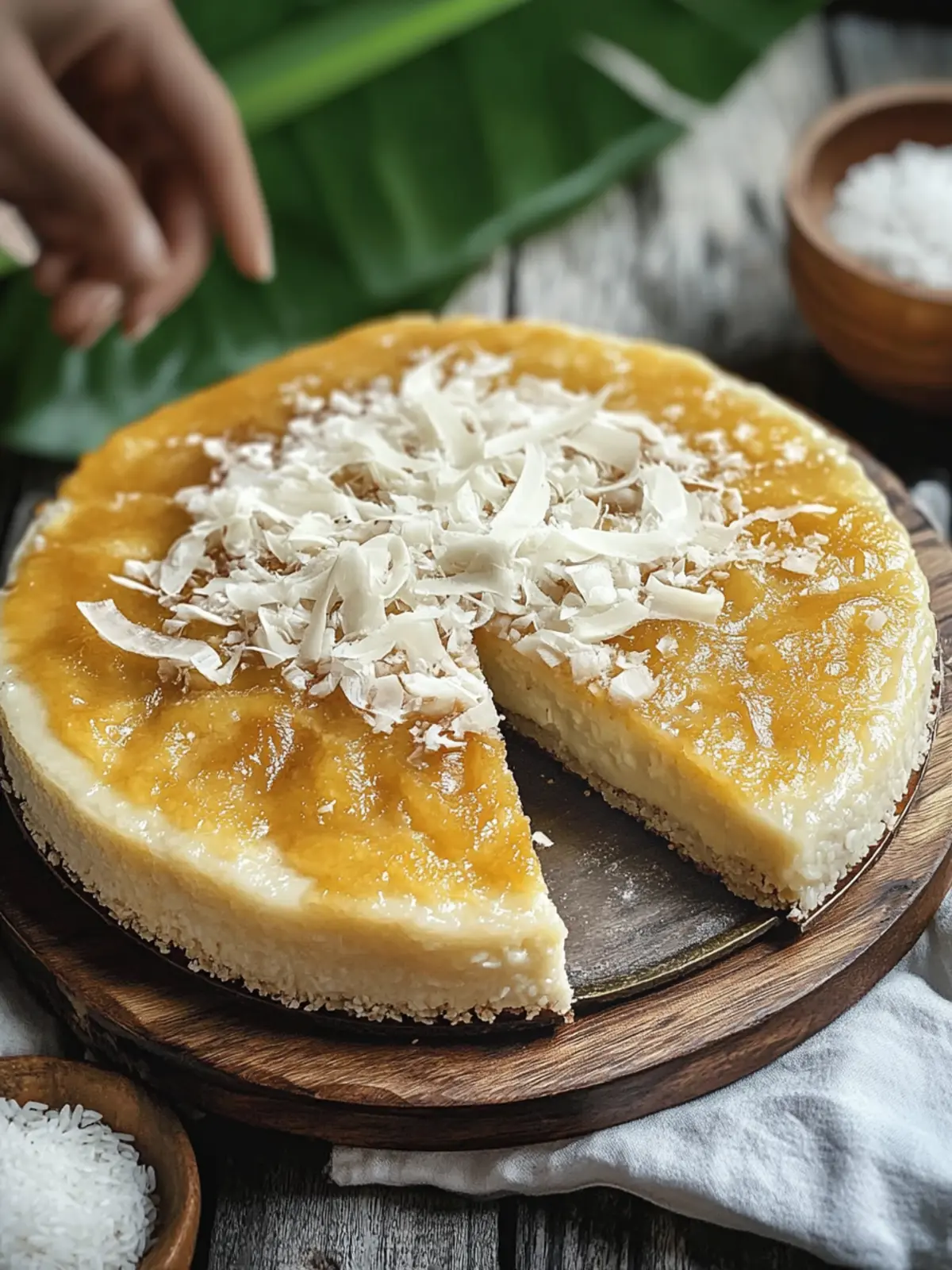
Filipino Bibingka Variations
Feel free to explore and customize your bibingka creation with these delightful twists that add flavor and personality!
- Dairy-Free: Substitute coconut milk with almond or oat milk for a nutty, plant-based version.
- Vegan: Replace eggs with flaxseed meal mixed with water, and use vegan butter for a cruelty-free alternative.
- Sweet Twist: Top with a drizzle of honey or maple syrup and fresh fruits for a dessert-like experience.
- Savory Spin: Try adding crispy bacon bits or chopped green onions to the batter for an unexpected savory kick.
- Cheesy Delight: Use a mix of sharp cheddar and mozzarella for a gooey, cheesy twist that enhances flavor.
- Chocolate Chip: Fold in semi-sweet chocolate chips into the batter for a decadent, sweet surprise in every bite.
- Coconut Bliss: Enhance the coconut flavor by adding toasted coconut flakes to the batter for extra texture and sweetness.
- Spicy Kick: Add a pinch of cayenne pepper or finely chopped green chilies for a surprising heat that complements the sweetness!
How to Store and Freeze Bibingka
Room Temperature: Allow the bibingka to cool completely before storing it in an airtight container, where it will stay fresh for up to 2 days.
Fridge: To extend its shelf life, place the bibingka in the refrigerator in an airtight container. It can last up to a week while still retaining its delightful texture.
Freezer: If you want to keep your bibingka for longer, wrap individual portions tightly in plastic wrap followed by foil, freezing for up to 3 months.
Reheating: Reheat frozen bibingka in the oven at 180°C (350°F) for about 15-20 minutes until warmed through. Enjoy your delicious Filipino bibingka fresh from the freezer!
Expert Tips for Bibingka
- Tender Texture: Avoid overbeating the wet mixture; this ensures your bibingka remains soft and fluffy in every bite.
- Banana Leaf Prep: Make sure the banana leaves are pliable before using. Soften them over a flame or hot water to achieve the best aroma during baking.
- Filling Level: Common mistake: Overfilling the tins. Always fill them about two-thirds full to allow the bibingka to rise properly without spilling.
- Toasting Coconut: For added flavor, lightly toast the desiccated coconut before sprinkling it on top. This enhances the overall taste.
- Cooling Time: Let the bibingka cool slightly before serving; this helps the flavors meld together beautifully. Enjoy your delightful Filipino bibingka!
What to Serve with Bibingka (Filipino Rice Cake)?
Imagine the warm, fragrant sweetness of bibingka inviting you to create a full feast to celebrate this delightful dessert.
- Café-style Coffee: The rich aroma of coffee contrasts perfectly with the sweetness of bibingka, making every bite feel special.
- Mango Salad: Fresh, juicy mangoes add a hint of tang that balances the sweet and savory notes of the rice cake.
- Coconut Milk Drink: A chilled coconut drink enhances the tropical flavor profile, creating a refreshing pairing that delights the palate.
- Grilled Meats: Smoky, grilled chicken or pork brings a hearty element to the table, letting the sweet bibingka shine as a contrasting side.
- Hot Teas: A cup of aromatic tea complements the delicate sweetness of bibingka, soothing the soul while enhancing the cake’s textures.
- Desiccated Coconut Topping: Serve extra toasted coconut on the side for a delightful crunch that elevates every mouthful.
- Sweetened Condensed Milk Drizzle: A drizzle of creamy sweetened condensed milk offers an extra layer of richness and an indulgent touch.
- Tropical Fruit Medley: A blend of pineapple, banana, and papaya lightens the meal, refreshing the palate between bites of the cake.
Make Ahead Options
These Filipino Bibingka (Rice Cake) are perfect for meal prep enthusiasts looking to save time during busy weeknights! You can prepare the batter up to 24 hours in advance by combining the dry ingredients and wet ingredients separately. Store the wet mixture in an airtight container in the refrigerator to maintain freshness. You can also line the tins with banana leaves a day ahead, allowing you one less step when you re ready to bake. When it’s time to finish, simply whisk the two mixtures together, pour the batter into the prepared tins, add your toppings, and bake until golden. This way, you ll enjoy fresh, homemade bibingka with minimal effort!
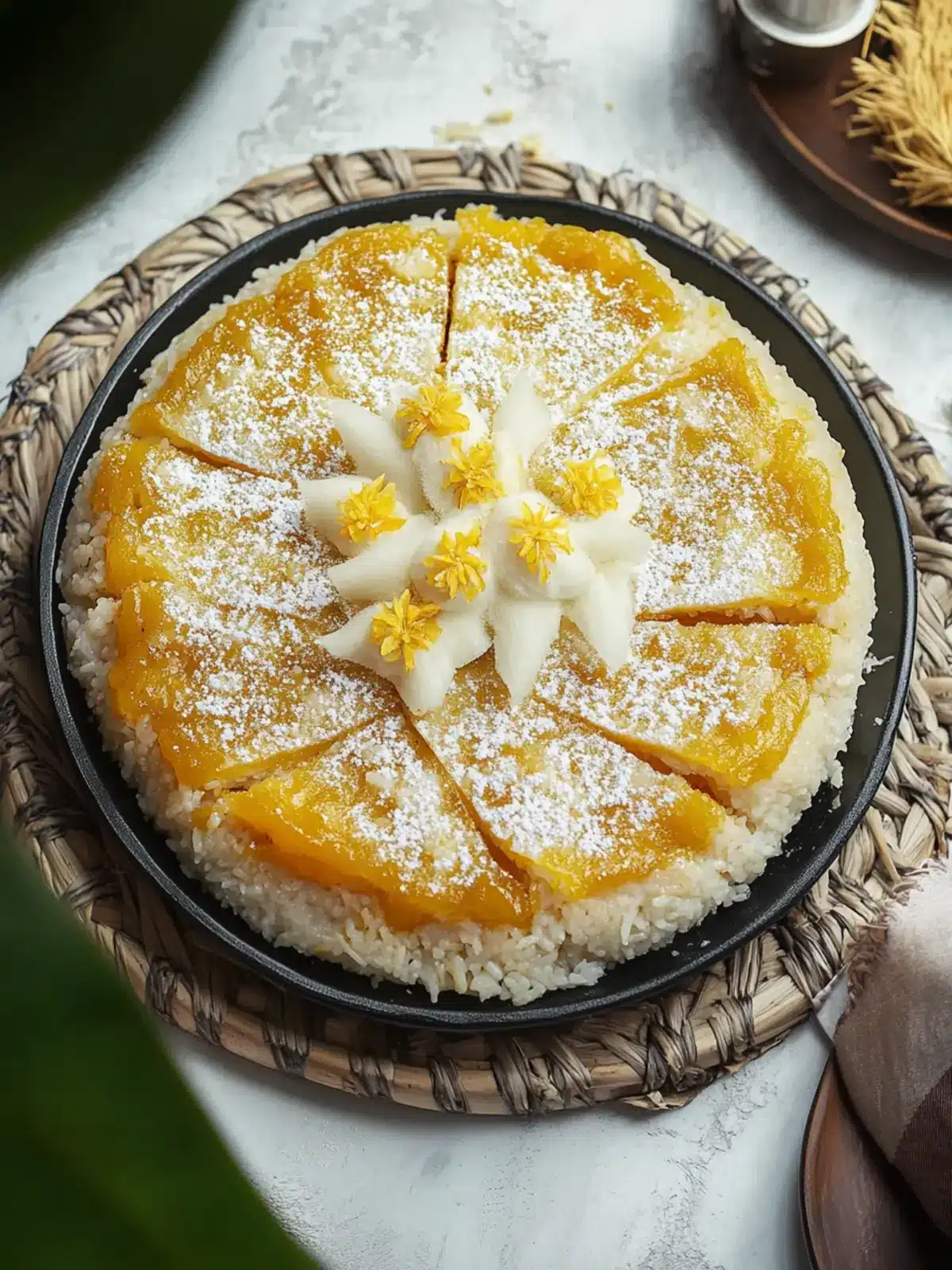
Filipino Bibingka (Rice Cake) Recipe FAQs
How do I choose ripe banana leaves for wrapping Bibingka?
Absolutely! When selecting banana leaves, look for vibrant green, unblemished leaves without dark spots. They should be soft and pliable, which is essential for easy wrapping. If the leaves are stiff, you can soften them by passing them over a flame or soaking them in hot water for a few seconds.
How should I store leftover Bibingka?
Very good question! To store your bibingka, allow it to cool completely before placing it in an airtight container. At room temperature, it will keep fresh for about 2 days. If you’re planning to enjoy it longer, refrigerate it, where it can last up to a week.
Can I freeze Bibingka, and how?
Certainly! Freezing bibingka is a great way to make it last longer. Wrap individual portions tightly in plastic wrap and then in aluminum foil to prevent freezer burn. It can be frozen for up to 3 months. When you’re ready to enjoy it, reheat the frozen bibingka in the oven at 180°C (350°F) for about 15-20 minutes until warmed through.
What should I do if my Bibingka doesn’t rise?
Ah, a common concern! If your bibingka doesn t rise well, it might be due to overmixing the batter or not using enough baking powder. Remember, after mixing the wet and dry ingredients, let the batter rest for about 10 minutes this is crucial for achieving that light and fluffy texture. Additionally, ensure your baking powder is fresh and hasn t expired!
Are there any dietary considerations for making Bibingka?
Definitely! If you’re accommodating dietary restrictions, you can easily modify this recipe. For those allergic to eggs, try using a flaxseed or aquafaba substitute for similar binding properties. Additionally, if you’re preparing it for vegetarians, simply omit the salted duck eggs and cheese. Use coconut or almond milk as a dairy alternative for a lighter flavor without compromising taste.
What s the best way to ensure my Bibingka has the right texture?
To achieve that tender, cake-like consistency, gently mix your wet and dry ingredients until just combined overmixing can lead to a dense texture. After filling the tins, remember not to exceed the two-thirds mark to allow enough room for rising. And don’t forget the golden rule: always let it cool slightly before serving to help the flavors meld together beautifully!