Irresistible Moroccan Kaab el Ghazal: Sweet Pastry Bliss
Last Updated on May 8, 2026 by juliarecipez
As I rolled the dough for my Kaab el Ghazal, the delicate scent of orange blossom water filled the air, instantly transporting me to a bustling Moroccan café. These stunning pastries, also known as Gazelle Horns, are more than just a treat; they’re a celebration of culture and tradition. The buttery, flaky exterior conceals a sweet almond filling that dances on the palate, thanks to a harmonious blend of spices and floral notes.
Growing up, I often watched my grandmother prepare these exquisite desserts for festive gatherings. The way she carefully shaped each crescent, her hands moving with practiced grace, always felt like art to me. Today, I invite you into my kitchen to join me in recreating this refined Moroccan delight. Perfectly paired with a warm cup of mint tea, these pastries are not only a nostalgic nod to heritage but also a fabulous way to impress your friends and family. Whether you’re looking for a special treat for a holiday or simply want to elevate your dessert game, this recipe for Kaab el Ghazal promises to impress and satisfy.
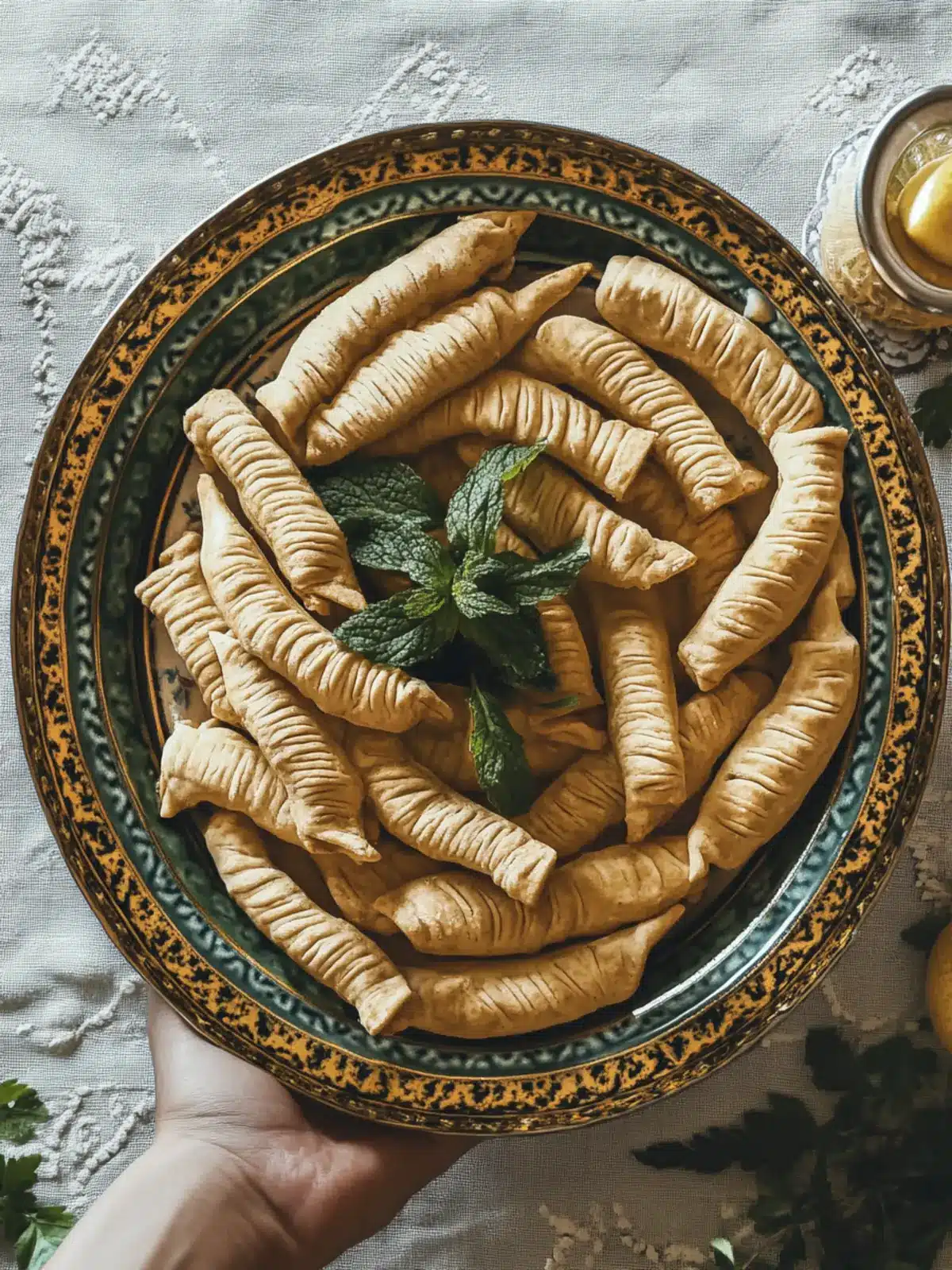
Why will you love Moroccan Kaab el Ghazal?
Delicate flavors: The infusion of orange blossom water creates a fragrant experience that delights the senses.
Celebratory treat: Perfect for festive occasions, these pastries symbolize tradition and hospitality.
Crowd-pleaser: Their elegant presentation and delightful taste will impress family and friends.
Versatile: Feel free to experiment with various nut fillings and spice combinations for a personalized touch.
Easy to make: With simple ingredients and straightforward steps, you ll find this recipe approachable even for beginner bakers.
Elevate your gathering with these irresistible delicacies that are sure to spark joy and conversation!
Moroccan Kaab el Ghazal Ingredients
For the Pastry
All-Purpose Flour Forms the base of the pastry; you can substitute with gluten-free flour for a gluten-free option.
Unsalted Butter Adds richness and tenderness; vegetable oil can work as a dairy-free alternative.
Sugar Sweetens the dough; consider using coconut sugar for a less refined choice.
Salt Essential for enhancing the flavors; a crucial element in the pastry.
Orange Blossom Water Infuses a unique floral aroma; feel free to swap this for rose water if you wish for a different flavor profile.
Warm Water Helps to bind the dough; adjust the amount based on the dough s consistency.
For the Filling
Blanched Almonds Creates the delicious filling; pecans or walnuts can be substituted for variety.
Powdered Sugar Sweetens the filling for a smooth texture; regular granulated sugar works in a pinch.
Ground Cinnamon Adds warm spice notes; use nutmeg for an alternative aromatic flavor.
Egg Yolk Binds the filling together; substitute with a mix of flax seed meal and water for a vegan option.
These ingredients come together to create the exquisite Moroccan Kaab el Ghazal, offering not just a treat for the taste buds but also a beautiful culinary experience!
How to Make Moroccan Kaab el Ghazal
Prepare Dough: In a large mixing bowl, combine all-purpose flour, sugar, and salt. Mix in the melted unsalted butter and orange blossom water. Gradually add warm water until the dough is smooth; knead for about 5 minutes. Cover the bowl and let it rest for 30 minutes.
Make Filling: Using a food processor, grind blanched almonds into a fine powder. In a separate bowl, mix the ground almonds with powdered sugar, cinnamon, orange blossom water, and egg yolk until you have a smooth paste. Shape the mixture into small logs for easy filling.
Shape Pastries: Once the dough has rested, divide it into small balls. Roll each ball into a thin oval, place an almond log at the edge, and carefully roll it to form a crescent shape. Ensure to seal the edges securely to prevent any filling from leaking out during baking.
Bake: Preheat your oven to 180°C (350°F). Line a baking tray with parchment paper, then arrange the shaped pastries on the tray. Prick each pastry gently with a fork, allowing steam to escape. Bake the pastries for 15-20 minutes, or until they turn a light golden brown. Allow them to cool slightly before enjoying.
Optional: Dust with powdered sugar before serving for an extra touch of sweetness.
Exact quantities are listed in the recipe card below.
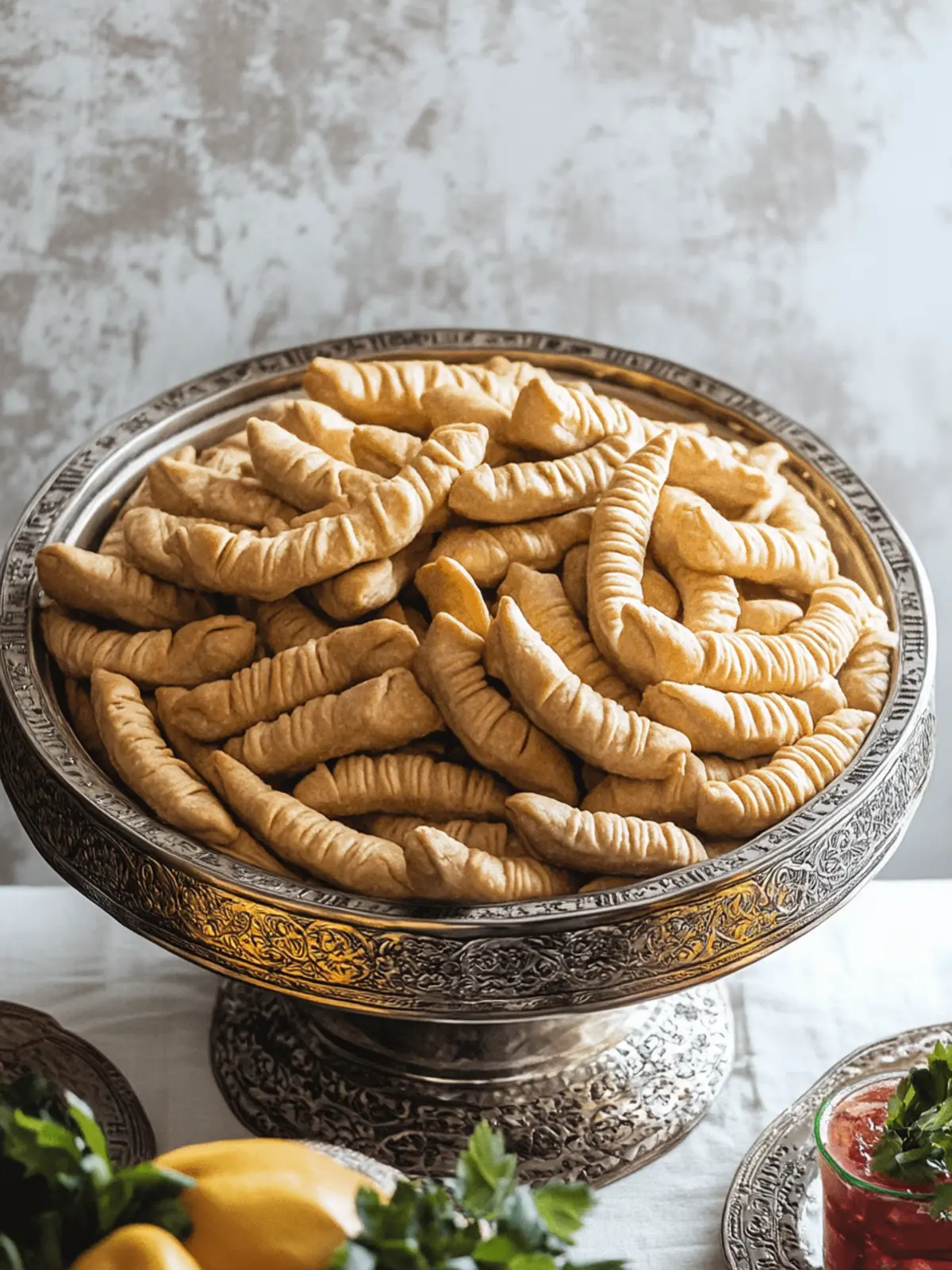
What to Serve with Moroccan Kaab el Ghazal?
Indulging in these delicate pastries is an experience best enjoyed with thoughtful pairings that elevate their exquisite flavors.
Moroccan Mint Tea: The refreshing, sweet notes of mint tea perfectly complement the floral and nutty aspects of Kaab el Ghazal.
Citrus Salad: A vibrant salad filled with oranges and pomegranate seeds provides a zesty contrast to the sweetness of the pastries.
Almond Milk: Served chilled or warm, this creamy drink enhances the nutty filling and creates a comforting, rich experience.
Coffee: A strong cup of coffee balances the sweetness of the pastries, adding a delightful bitterness that makes each bite shine.
Imagine sitting at a Moroccan café, savoring the light sweetness of the pastries alongside these beverages.
Fig Jam: A slather of fig jam offers a deliciously sweet-tangy pairing that enhances the almond filling’s depth.
Dried Fruits: Serving a variety of dried fruits like apricots or figs provides a chewy texture and bursts of natural sweetness alongside the flaky pastries.
These pairings are designed not just to complement the Kaab el Ghazal, but to create a memorable moment that engages all the senses!
Make Ahead Options
These Moroccan Kaab el Ghazal are perfect for busy home cooks looking to save time without sacrificing flavor! You can prepare the dough and filling up to 24 hours in advance; simply store each component separately in airtight containers in the refrigerator to maintain their freshness. For the filling, ensure it is well-sealed to prevent drying out. When you re ready to enjoy your delectable pastries, roll out the dough and shape them into crescents according to the original instructions, then bake as directed. You ll find that these pastries taste just as delightful, making them a convenient option for festive gatherings or impromptu dessert cravings!
Variations & Substitutions
Feel free to explore the creative possibilities that can make your Moroccan Kaab el Ghazal even more delightful!
- Gluten-Free: Use a gluten-free flour blend for a pastry that fits gluten-sensitive diets without losing texture.
- Dairy-Free: Substitute unsalted butter with vegetable oil or coconut oil to keep it rich while remaining dairy-free.
- Alternative Nuts: Replace blanched almonds with crushed pistachios or hazelnuts for unique flavor profiles that bring variety to your classic pastry.
- Spice Infusion: Add a pinch of cardamom or a splash of vanilla extract to the filling for an exciting twist that enhances the aroma.
- Sweetness Adjustments: Experiment with honey or maple syrup in place of sugar for a natural sweetness and different texture in the dough.
- Zingy Fillings: Mix in finely grated lemon or orange zest within the almond filling to add a refreshing citrus note that brightens the entire pastry.
- Nut-Free: For a nut-free option, replace almond filling with a combination of sunflower seeds, coconut, and a touch of cinnamon; it creates a delightful, unique filling.
- Heat Lover’s Delight: Incorporate a dash of cayenne pepper into the almond mixture for a surprising kick that pairs beautifully with the sweetness.
Each variation offers a new way to enjoy these charming treats, allowing you to tailor the recipe to your personal taste and dietary needs!
Storage Tips for Moroccan Kaab el Ghazal
Room Temperature: Store your freshly baked Moroccan Kaab el Ghazal in an airtight container at room temperature for up to 4-5 days to maintain their delightful texture.
Freezer: For longer storage, freeze the shaped but unbaked pastries. Place them on a baking sheet until firm, then transfer to a freezer bag for up to 3 months. Bake from frozen without thawing.
Reheating: If you’ve stored leftovers, reheat them briefly in a preheated oven at 150°C (300°F) for about 5-10 minutes for the best texture before serving.
Airtight Guidance: Always ensure your storage containers are airtight, as this keeps your Moroccan Kaab el Ghazal protected from moisture and maintains their lovely flaky crust.
Tips for the Best Moroccan Kaab el Ghazal
Dough Thickness: Keep the dough thin (2-3 mm) for the ideal flaky texture; thicker dough can lead to a dense pastry.
Sealing Edges: Make sure to seal the edges of the crescent well to prevent the filling from leaking out while baking; a light pinch does wonders.
Baking Time: Avoid over-baking; aim for a light golden color. They should be soft and tender, not hard.
Flavor Boost: For an extra shine and flavor, consider brushing the pastries with a light sugar glaze after baking.
Filling Variations: Experiment with different nut fillings like pistachios or hazelnuts for a new twist on traditional Moroccan Kaab el Ghazal.
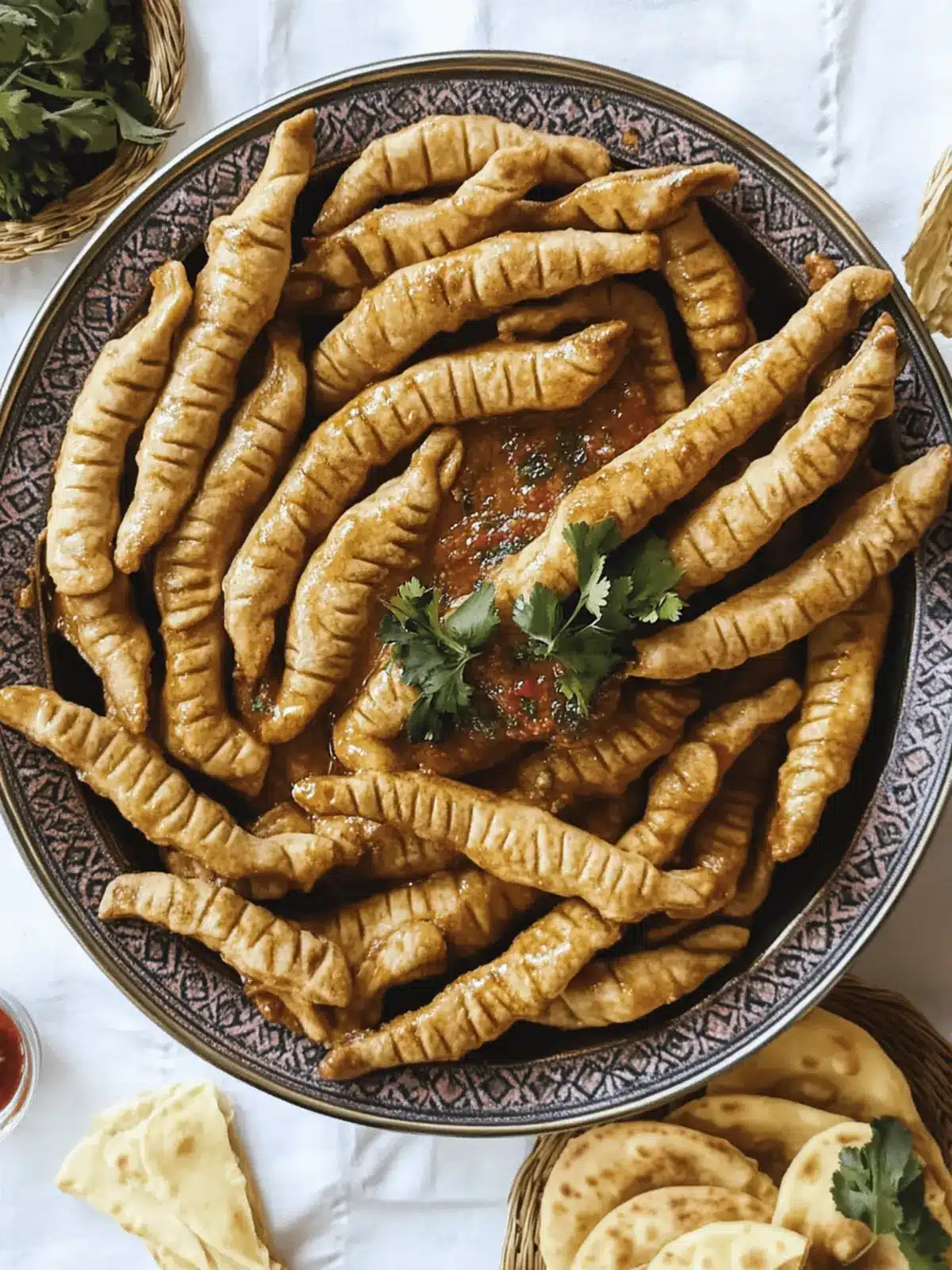
Moroccan Kaab el Ghazal Recipe FAQs
What type of almonds should I use for the filling?
I recommend using blanched almonds for the best texture and flavor, as they blend smoothly into a creamy paste. If you re in the mood for a twist, feel free to substitute with pecans or walnuts to offer a unique taste while keeping the essence of the pastry.
How should I store my Moroccan Kaab el Ghazal?
To keep your freshly baked pastries delightful, store them in an airtight container at room temperature for up to 4-5 days. This way, you can savor their texture without losing any of that flaky goodness!
Can I freeze Kaab el Ghazal before or after baking?
Absolutely! You can freeze the shaped but unbaked pastries. Just place them on a baking sheet until firm, then transfer them to a freezer bag for up to 3 months. When you’re ready to enjoy them, simply bake from frozen without thawing just add a couple of extra minutes to the baking time.
What if I accidentally over-bake them?
It s easy to over-bake these delicate pastries, don t worry! If they seem too hard after baking, try reheating them briefly. Place them in a preheated oven at 150°C (300°F) for about 5-10 minutes to help restore some softness.
Are there any dietary considerations for Moroccan Kaab el Ghazal?
Yes! If you have any allergies or intolerances, be mindful of the nuts. You can also create a vegan version by substituting the egg yolk with a mix of flax seed meal and water. This way, everyone can enjoy these delightful pastries!
How can I tell if my dough is ready to rest?
You ll know your dough is ready when it feels smooth and slightly elastic after kneading for about 5 minutes. It should not be sticky. If it’s too dry, add a small amount of warm water, and if it s too wet, sprinkle in a bit more flour. Happy baking!