
Master Vietnamese Bánh Da Lợn: Irresistible Pandan Layer Cake
Last Updated on May 8, 2026 by juliarecipez
There s something enchanting about the vibrant green layers of Bánh Da Lợn, a traditional Vietnamese dessert that never fails to capture the hearts of those who taste it. As the sweet aroma of pandan fills my kitchen, I can t help but feel a rush of nostalgia for joyful gatherings and family celebrations. This steamed pandan layer cake, with its soft, chewy texture and delightful combination of mung beans and coconut milk, brings a unique blend of flavors that dances on the palate.
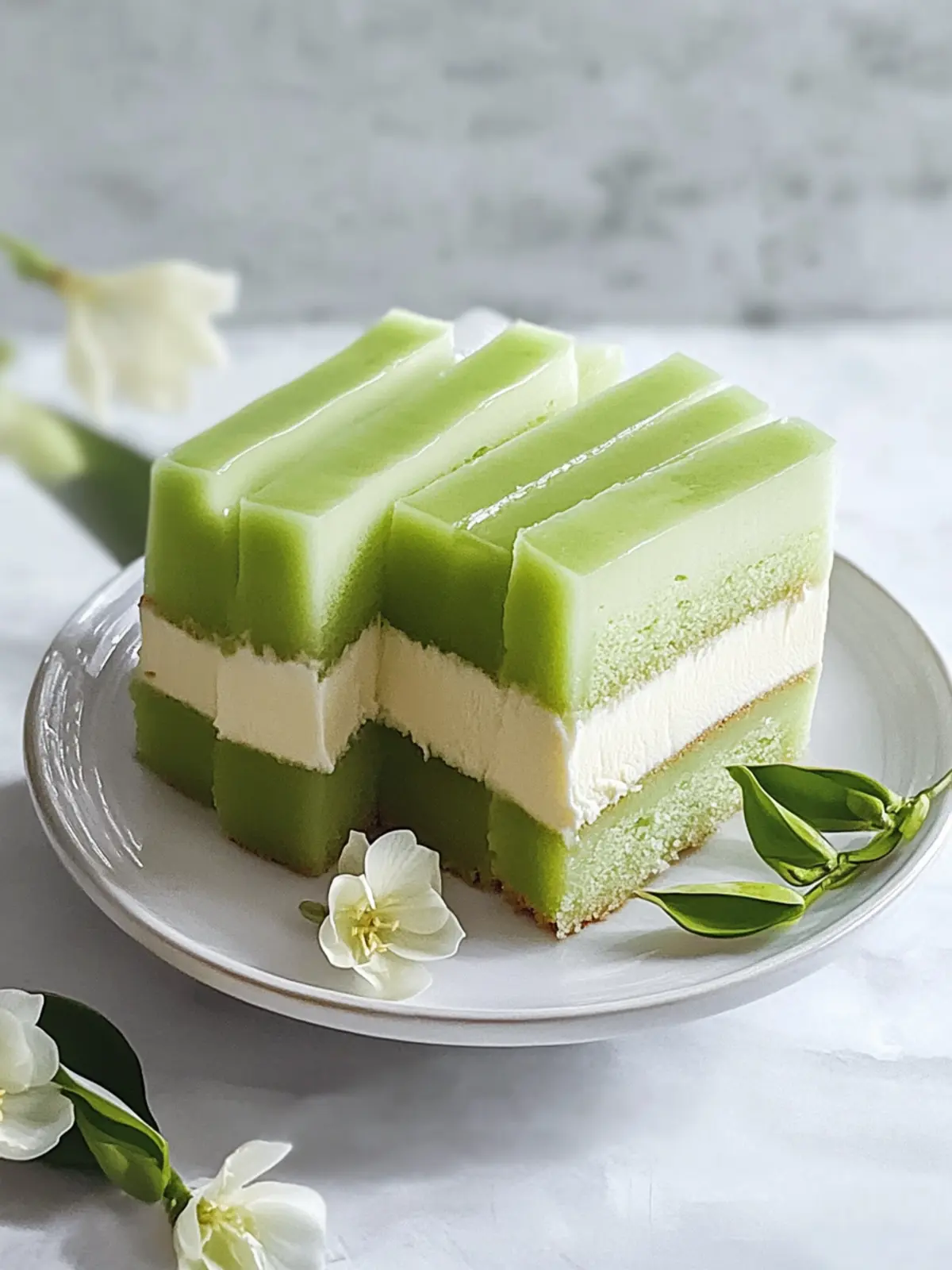
What makes this dessert truly special is its stunning presentation; cut into perfectly layered diamonds or squares, it s a showstopper on any dessert table. Whether you’re looking to impress guests or simply indulge yourself, Bánh Da Lợn is an ideal home-cooked treat that s also gluten-free, making it accessible to many. Join me as I guide you through this delightful recipe, where the love for homemade food shines, promising each slice to be as rich in flavor as it is in cultural significance.
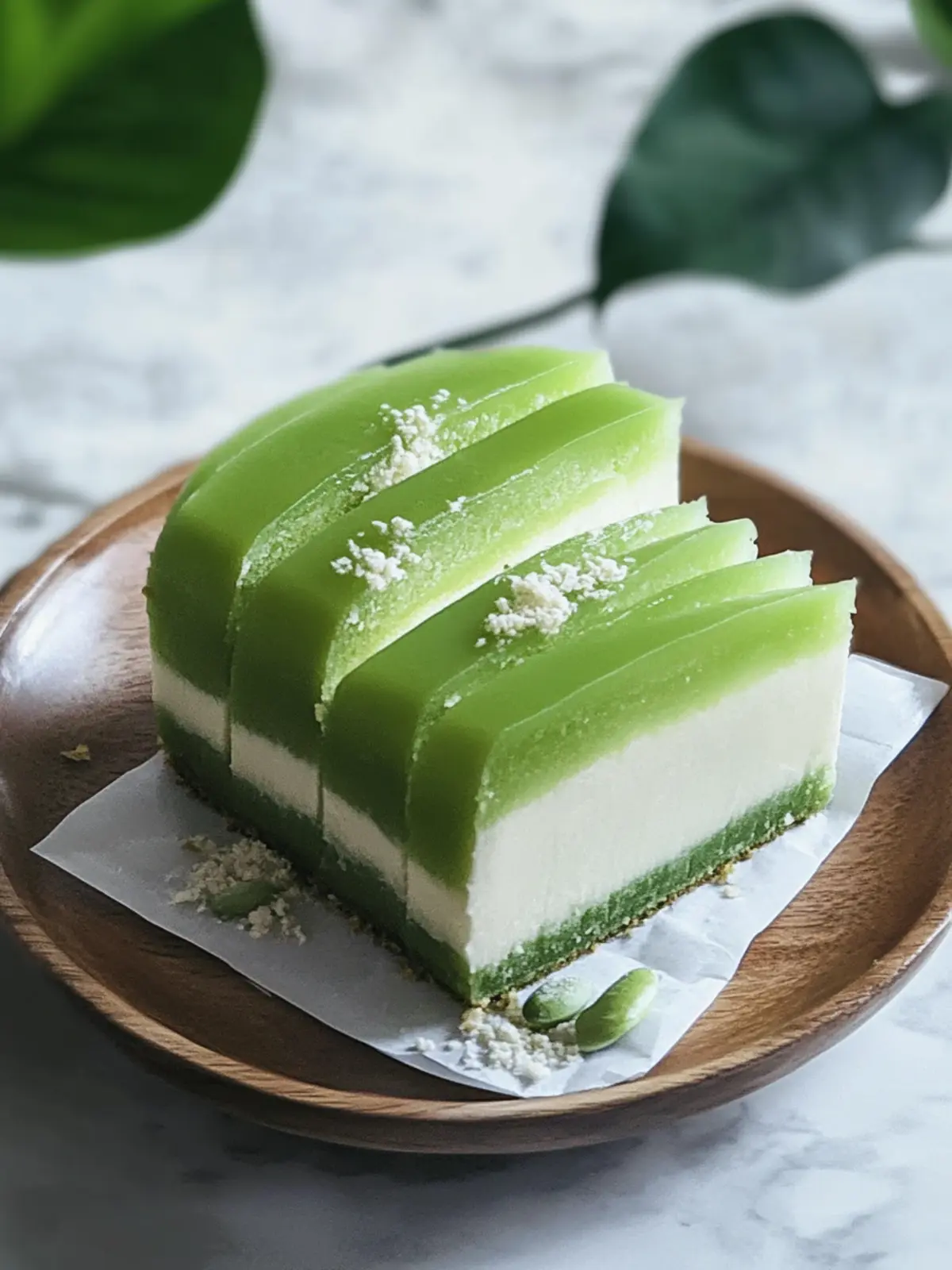
Why is Vietnamese Bánh Da Lợn so special?
Colorful Layers: The striking green and yellow layers make this cake a feast for the eyes, perfect for any gathering.
Chewy Texture: A delightful softness pairs beautifully with its jelly-like consistency, making each bite a treat.
Aromatic Pandan: The unique flavor of pandan infuses the cake with a sweet fragrance that truly captivates.
Gluten-Free Goodness: Ideal for those with dietary restrictions, this dessert is both indulgent and inclusive.
Cultural Legacy: Celebrated in Vietnamese festivities, preparing Bánh Da Lợn connects you with rich culinary traditions.
Versatile Variations: Experiment with flavors like matcha or sweetened red beans to make it uniquely yours!
Vietnamese Bánh Da Lợn Ingredients
To create this irresistible pandan layer cake, you ll need a mix of staple ingredients that come together to form a unique and flavorful treat.
For the Mung Bean Layer
- Dried Mung Beans They provide earthy flavor and texture; canned mung beans can also be used for convenience.
- Coconut Milk Adds creaminess and richness; low-fat coconut milk can lighten the dish without sacrificing taste.
- Salt Enhances the overall flavor, balancing sweetness perfectly.
For the Pandan Layer
- Pandan Juice This is what gives the cake its vibrant green color and aromatic flavor; use fresh pandan leaves blended with water for the best results.
- Tapioca Starch Essential for achieving that perfect chewy texture; cornstarch could substitute in a pinch, but results may vary.
- Rice Flour Adds structure to your cake; feel free to explore gluten-free flour blends as alternatives.
- Sugar Sweetens the batter; coconut sugar is a natural substitute that adds a lovely caramel flavor.
- Water Combine with coconut milk for the right batter consistency.
With these ingredients on hand, you re all set to embark on the delightful journey of making your own Vietnamese Bánh Da Lợn!
How to Make Vietnamese Bánh Da Lợn
Prepare Mung Bean Layer: First, steam the soaked mung beans for about 20 minutes until they’re soft and tender. Once done, blend them with coconut milk until the mixture is smooth and creamy.
Mix Mung Bean Batter: In a mixing bowl, combine tapioca starch, rice flour, and sugar. Gradually stir in the blended mung bean mixture until it’s smooth and well-combined, ensuring there are no lumps.
Make Pandan Batter: In another bowl, whisk together tapioca starch, rice flour, and sugar. Slowly incorporate the coconut milk and pandan juice, stirring until the mixture is lump-free and well blended.
Steam Layers: Preheat your steamer and generously grease an 8-inch round pan. Start by pouring a thin layer of pandan batter at the bottom. Steam this layer for 5-7 minutes until it sets firmly.
Layering: Once the green layer is set, pour an equal layer of the mung bean batter on top. Steam again for 5-7 minutes. Repeat this process, alternating between the pandan and mung bean layers until all the batter is used.
Final Steam: After layering all the batter, cover the pan with a lid and steam for an additional 15 minutes to ensure the cake is fully cooked and set.
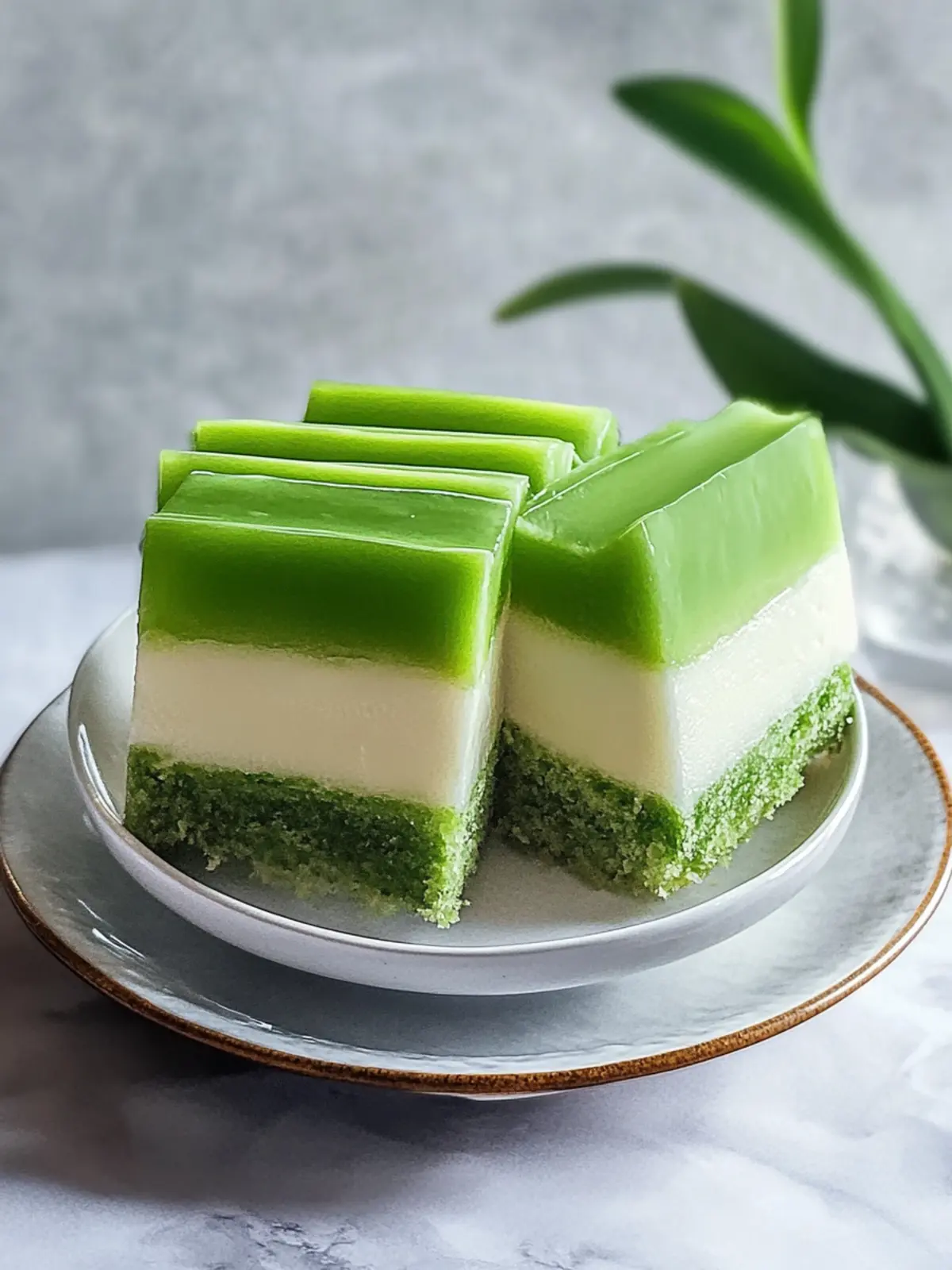
Cool and Serve: Allow the cake to cool completely to room temperature. Once cooled, slice it into beautiful diamonds or squares and serve with optional shredded coconut for added flavor.
Optional: Drizzle with coconut cream for extra richness.
Exact quantities are listed in the recipe card below.
How to Store and Freeze Vietnamese Bánh Da Lợn
Room Temperature: Allow the cake to cool completely, then keep it at room temperature for up to 1 day in an airtight container to maintain its texture.
Fridge: Store the leftovers in an airtight container in the fridge for up to 3 days, preserving the chewy layers and flavor.
Freezer: For longer storage, wrap the cake tightly in plastic wrap and place it in a freezer-safe bag. It can be frozen for up to 1 month.
Reheating: To enjoy, thaw in the fridge overnight and steam for a few minutes before serving to restore its original softness.
Make Ahead Options
Bánh Da Lợn makes for an excellent make-ahead dessert that saves time for those busy weeknights! You can prepare the mung bean layer and pandan layer up to 24 hours in advance. Simply complete the steaming process for all layers, then allow the cake to cool completely. Wrap it tightly in plastic wrap and refrigerate to maintain its freshness and prevent drying out. When you’re ready to serve, simply slice the cake into diamonds or squares, and it ll be just as delicious and visually stunning as when freshly made. This advance prep will allow you to enjoy this delightful Vietnamese Bánh Da Lợn without the last-minute rush!
Expert Tips for Vietnamese Bánh Da Lợn
Layer Firmness: Make sure each layer is firm to the touch before pouring the next. This prevents the beautiful colors from mixing and maintains distinct layers.
Steaming Setup: Use a steamer basket lined with cloth or parchment paper to prevent condensation from dripping onto the cake. This keeps the texture perfect!
Keep an Eye Out: Monitor the steaming time closely; overcooking can lead to a dense texture that strays from that delightful chewy softness.
Chill Out: After steaming, let the cake cool completely in the pan. This helps it set fully and makes it easier to cut into neat slices.
Not Just Pandan: Feel free to experiment with flavors! You can swap out pandan juice for matcha or add hints of coconut for a unique twist on this traditional Vietnamese Bánh Da Lợn.
Storage Tips: Store leftovers in an airtight container in the fridge for up to three days, but trust me, they won t last that long!
Vietnamese Bánh Da Lợn Variations
Feel free to explore these creative twists to make this delightful dessert uniquely yours!
Matcha Twist: Substitute pandan juice with matcha powder for a vibrant green hue and a distinctive earthy flavor.
A matcha variation adds an elegant touch, perfect for those who adore this beloved green tea!Coconut Cream Drizzle: Top your cake slices with a drizzle of sweetened coconut cream to enhance richness.
It adds a beautifully tropical flair that complements the layers wonderfully definitely a crowd-pleaser!Fruit Fusion: Mix in pureed fruits like mango or guava into the layers for a fruity twist on the classic.
This variation introduces bright flavors, making the cake even more refreshing and exciting!Sweetened Red Beans: Incorporate sweetened red beans into the mung bean layer for a delightful texture change.
This not only adds a new flavor dimension but also honors traditional techniques while enhancing visual appeal.Chocolate Layer: Add cocoa powder to one layer for a chocolate version that marries sweetness with depth.
It s a delightful surprise for chocolate lovers, offering a rich contrast against the classic flavors.Nutty Twist: Fold in crushed roasted peanuts or almonds for an added crunch to the chewy cake layers.
This simple variation brings delightful texture while harmonizing with the overall flavor profile.Spiced Version: Infuse flavors like cinnamon or cardamom into the batter for a warm, spiced twist.
These aromatic spices provide comfort and warmth, perfect for a cozy treat during cooler months.Vegan Option: Use almond milk and a plant-based cream to make this dessert entirely vegan without losing its charm.
Everyone can enjoy this version, making it versatile and accommodating for diverse dietary needs!
What to Serve with Vietnamese Bánh Da Lợn?
To create an unforgettable meal experience, consider these delightful pairings that will complement the unique flavors of this traditional dessert.
Vietnamese Tea: This light and aromatic tea balances the sweetness of the cake, enhancing its herbal notes. It s the perfect refreshment to sip alongside each bite.
Fresh Tropical Fruits: Lychee, mango, or dragon fruit offer a burst of juicy freshness. Their vibrant flavors cut through the richness of the cake, adding a refreshing contrast.
Coconut Macaroons: These chewy, sweet treats echo the coconut notes in Bánh Da Lợn, making for a harmonious dessert platter that showcases tropical flavors.
Sticky Rice: Serving sweet sticky rice on the side can create a textural variation. The chewy rice complements the Bánh Da Lợn beautifully, making for a comforting duo.
Iced Coffee: A lightly sweetened iced coffee brings a caffeinated kick that pairs well with the cake’s soft texture, perfect for gatherings or a mid-afternoon treat.
Coconut Cream Drizzle: Lend an extra richness by serving a drizzle of coconut cream over the cake. It enhances the flavor while tying in the dessert s creamy elements.
Sesame Balls: These golden, crispy treats filled with red bean paste offer a delightful crunch, contrasting with the soft layers of Bánh Da Lợn for a satisfying finish.
Jasmine Rice: For a heartier pairing, jasmine rice served warm provides a simple yet comforting base, making the dish feel complete and satisfying.
Each of these options not only complements the enchanting Vietnamese Bánh Da Lợn but also enhances the overall meal experience, leaving your guests in awe!
Vietnamese Bánh Da Lợn Recipe FAQs
What kind of mung beans should I use?
Both dried mung beans and canned mung beans work well for this recipe. If using dried beans, soak and steam them until tender before blending. Canned mung beans can save time and are a convenient alternative if you’re in a rush!
How long can I store Vietnamese Bánh Da Lợn?
After preparing, place your cake in an airtight container in the fridge for up to 3 days to maintain its delightful texture. If you have leftovers after a few days, consider adding them to your breakfast for a sweet start to the day!
Can I freeze Vietnamese Bánh Da Lợn?
Absolutely! To freeze, wrap the cooled cake tightly in plastic wrap and place it in a freezer-safe bag, where it can stay fresh for up to 1 month. When you’re ready to enjoy it again, simply thaw it overnight in the fridge and steam it briefly to restore its chewy texture.
How can I troubleshoot texture issues with the cake?
If your Bánh Da Lợn turns out denser than expected, it could be due to overcooking during the steaming process. Ensure you only steam each layer for 5-7 minutes and check for firmness before adding the next layer. Also, a tightly sealed steamer basket helps maintain moisture without creating sogginess.
Is Vietnamese Bánh Da Lợn safe for people with gluten allergies?
Yes! This recipe is naturally gluten-free thanks to the use of rice flour and tapioca starch. However, always check your ingredients if you’re concerned about cross-contamination.
Can I add other flavors or ingredients to the cake?
Very much so! You can experiment with flavors such as matcha, or blend in sweetened red beans for added texture and taste. Just remember to maintain the balance of wet and dry ingredients so the cake retains its signature chewy layer!