
Savor Homemade Vietnamese Phở: Your Ultimate Comfort Bowl
Last Updated on May 8, 2026 by juliarecipez
The moment I took my first slurp of aromatic Vietnamese Phá», I was transported to the bustling streets of Hanoi. The rich, savory broth, simmered to perfection, wraps itself around tender rice noodles, creating a symphony of flavor in each bowl. There’s something undeniably comforting about this dish, and the customizable toppings crisp bean sprouts, fragrant fresh herbs, and zesty lime allow you to make it truly your own.
Whether you re gathering with friends or seeking a cozy meal after a long day, PhỠbrings people together with its heartwarming essence of traditional Vietnamese cuisine. With various options, from the classic PhỠbò made with succulent beef to the lighter PhỠgà featuring tender chicken, it s a versatile dish that caters to every palate. Join me on this delicious journey as we explore how to create your very own bowl of this noodle soup magic at home!
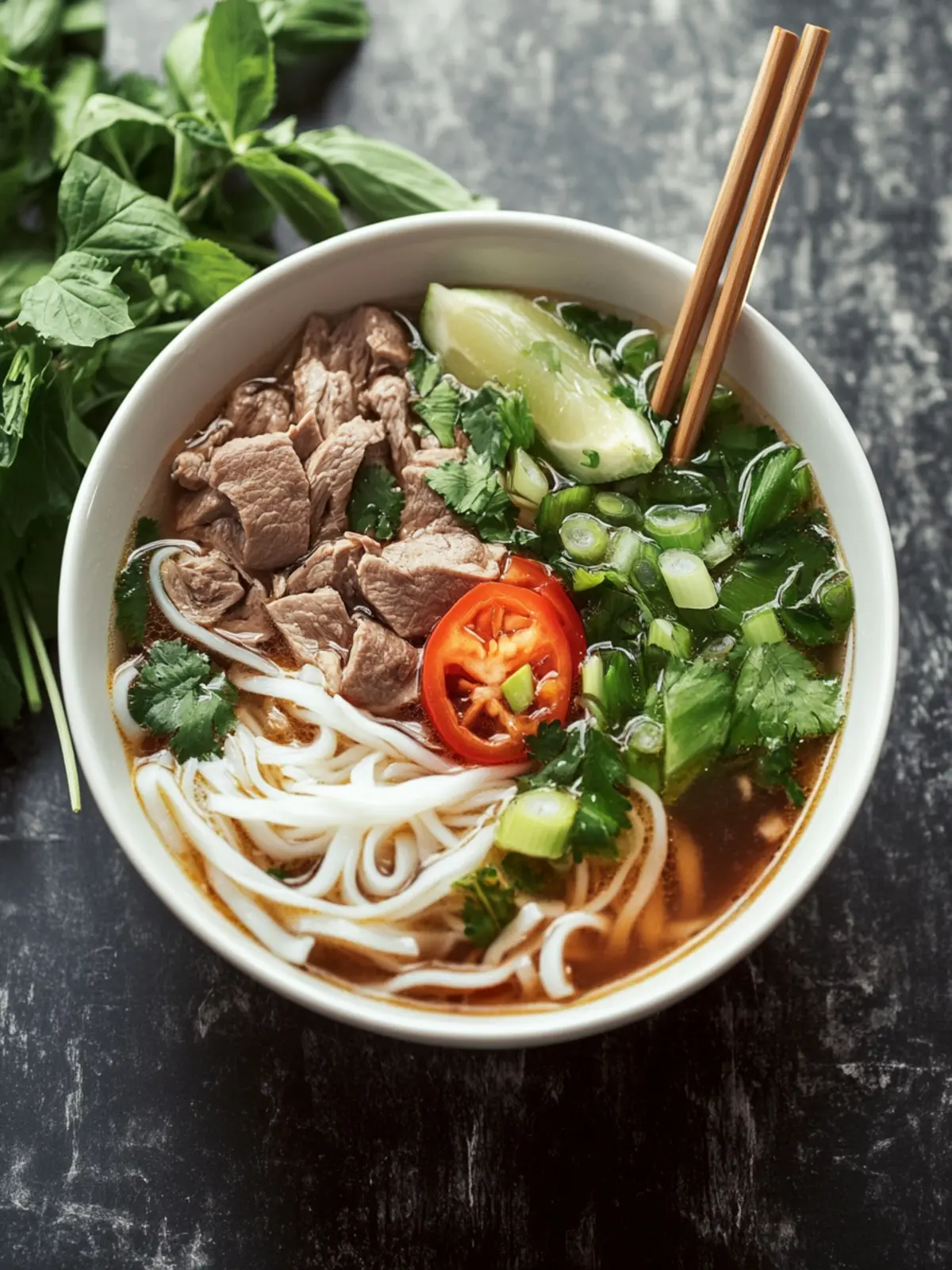
Why is Vietnamese Phá» so beloved?
Unique Flavors: The depth of the broth, enriched with spices like star anise and cinnamon, provides a warm and inviting aroma that captivates the senses.
Customizable: With options to add your favorite proteins and garnishes, you can tailor this dish to suit any taste or dietary preference.
Comforting Experience: Each bowl serves as a heartwarming reminder of cozy family gatherings and hearty meals.
Nutritious & Balanced: Packed with protein and fresh herbs, it’s not just delicious but also nourishing, making it a perfect meal choice for any day.
Culinary Adventure: Mastering the art of Phá» is not only satisfying but a wonderful opportunity to explore traditional Vietnamese cuisine with loved ones.
Vietnamese Phá» Ingredients
Dive into the delightful world of Vietnamese Phá» with these essential ingredients.
For the Broth
- Beef bones (1.5 kg, marrow and knuckle) Essential for a richly flavored broth; substitute chicken bones for a lighter broth.
- Beef brisket (500 g) Adds depth of flavor to the broth; can replace with chicken for the gà version.
- Onion (1 large, halved) Provides sweetness and aroma; can opt for shallots for a milder taste.
- Ginger (1 piece, 5 cm, halved) Enhances the broth’s warmth and spiciness; use galangal for a different flavor.
- Star anise (5) Imparts a unique, fragrant flavor.
- Cinnamon sticks (2) Adds warmth; ground cinnamon can be a last-minute alternative.
- Cardamom pods (4) Contributes to the aromatic profile; omit for a simpler flavor.
- Cloves (6) Offers depth; can use allspice as a substitute.
- Coriander seeds (1 tablespoon) Supports the broth’s complexity; omit if unavailable.
- Fish sauce (1 tablespoon) Essential umami flavor; soy sauce can be a vegetarian substitute.
- Sugar (2 teaspoons) Balances savory notes; brown sugar adds richness.
- Salt (1 teaspoon) For seasoning; adjust to taste.
For the Noodles and Toppings
- Flat rice noodles (400 g, bánh phá») The soup’s base; can use other noodles but will alter texture.
- Beef sirloin (250 g, thinly sliced) For a protein addition; tofu can substitute for a vegetarian option.
- Bean sprouts Adds crunch and freshness; can replace with shredded carrots.
- Fresh herbs (Thai basil, cilantro, mint) Essential for garnishing; variations can include other herbs like parsley.
- Spring onions (2, thinly sliced) Enhances freshness; shallots can be an alternative.
- Limes (2, cut into wedges) For acidity; lemon juice can be swapped for similar tanginess.
- Red chili (1, thinly sliced) Adds heat; can be omitted for a milder soup.
- Hoisin sauce and Sriracha For serving; options for flavor enhancement.
This ingredient list lays out everything you need to create your own satisfying bowl of Vietnamese Phá» at home!
How to Make Vietnamese Phá»
Preheat the Oven:
Begin by preheating your oven to 220°C (430°F). This step is crucial for roasting your beef bones, onion, and ginger to develop rich flavors.Roast Ingredients:
Place the beef bones, halved onion, and ginger on a baking sheet. Roast them for 15-20 minutes until they turn a beautiful golden brown and release an inviting aroma.Simmer the Broth:
Transfer the roasted ingredients into a large stockpot. Add 4 liters of water, bringing it to a boil. Once boiling, reduce the heat and let it simmer gently for 3 hours to extract maximum flavor.Toast the Spices:
In a dry skillet, toast the star anise, cinnamon, cardamom, cloves, and coriander seeds until fragrant. This will intensify their flavors before adding them to the broth.Add Spices to Broth:
After toasting, add the spices to the simmering broth. Continue simmering for an additional hour, allowing the flavors to meld beautifully.Cook the Beef Brisket:
Add the beef brisket to the broth during the last hour of cooking. Once cooked, carefully remove it, let it cool, and slice it as thinly as possible for serving.Strain and Season the Broth:
After cooking, strain the broth through a fine mesh sieve. Season to taste with fish sauce, sugar, and salt, balancing the flavors for a perfect finish.Prepare the Noodles:
Follow the package instructions to cook the flat rice noodles. After they re cooked, rinse them under cold water to prevent sticking.Assemble the Phá»:
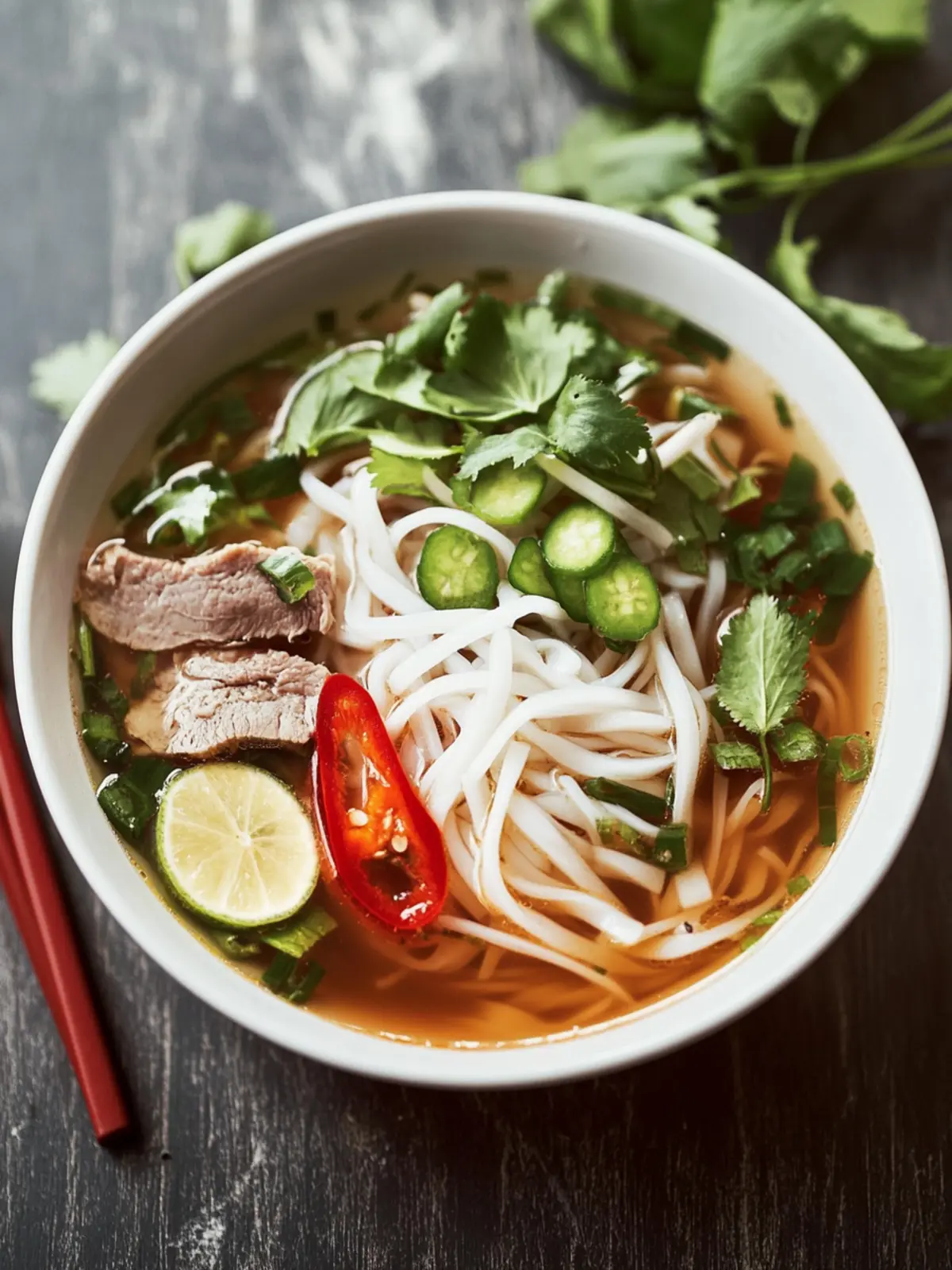
In bowls, place a generous serving of noodles, topped with the sliced beef, and a sprinkle of fresh garnishes such as bean sprouts, herbs, spring onions, and chili. Finally, ladle the hot broth over the top.
Optional: Squeeze fresh lime over your bowl for an extra zing!
Exact quantities are listed in the recipe card below.
Make Ahead Options
These Vietnamese Phá» are perfect for meal prep enthusiasts! You can prepare the broth up to 3 days in advance, storing it in the refrigerator to develop even bolder flavors. Simply strain the broth after simmering and keep it in an airtight container. Additionally, you can roast the bones, onion, and ginger and refrigerate them overnight to save time on cooking day. When you re ready to serve, just reheat the broth on the stovetop and cook your noodles fresh; this ensures they maintain their delightful texture. Trust me, this method allows you to enjoy a comforting bowl of Phá» with minimal effort on busy weeknights!
Expert Tips for Vietnamese Phá»
- Quality Ingredients: Use high-quality beef bones for a rich, flavorful broth. Fresh ingredients make a notable difference in your Vietnamese Phá»’s taste.
- Layer Flavors: Roasting the bones, onion, and ginger is essential to develop deep flavors. Don’t skip this step!
- Taste as You Go: Always taste the broth before serving to ensure balanced seasoning. Adjust salt, fish sauce, or sugar to suit your preference.
- Perfect Noodles: Rinse the cooked rice noodles with cold water to prevent them from sticking together in your bowl.
- Herb Variations: Feel free to experiment with different herbs for garnishing. Fresh basil, mint, or cilantro all enhance the aromatic experience of your Vietnamese Phá».
Variations & Substitutions for Vietnamese Phá»
Feel free to get creative with your bowl of Phá» and explore delicious alternatives that cater to your taste buds!
- Chicken Phá»: Substitute beef with chicken or turkey for a lighter, yet flavorful soup.
- Vegetarian Delight: Use vegetable broth and tofu instead of meat for a hearty vegetarian option.
- Spicy Kick: Add more sliced red chili or a splash of Sriracha to elevate the heat and flavor profile.
- Herb Medley: Experiment with different fresh herbs like dill or parsley for a unique garnish that brightens each bite.
- Hearty Veggies: Toss in winter vegetables such as bok choy or mushrooms for added texture and nutrition.
- Noodle Variety: Swap flat rice noodles with whole wheat or gluten-free noodles to suit dietary preferences.
- Coconut Cream: For a creamy twist, stir in a little coconut milk to create a rich, comforting broth.
- Smoky Flavor: Add a touch of smoked paprika or smoked chili powder for a deep and intriguing flavor layer.
These variations ensure that every bowl of Phá» you create is as unique as you are, inviting warmth and coziness into your home!
What to Serve with Vietnamese Phá»?
The comforting warmth of a steaming bowl of Phá» calls for an equally delightful spread to complement its flavors.
Fresh Spring Rolls: Light and crispy, these rolls filled with shrimp or vegetables add a refreshing crunch that perfectly balances the rich soup.
Jasmine Rice: This fragrant grain pairs harmoniously with Phá», soaking up the broth s savory goodness. You can enjoy it on the side or mix it with your soup.
Vietnamese Iced Coffee: The bold flavors of this sweetened coffee with condensed milk offer a delightful contrast, making your meal feel incredibly indulgent.
Crispy Fried Tofu: Adding tofu brings a delicate texture that absorbs the broth s essence, providing a satisfying bite for a wholesome touch.
Bánh mì Sandwiches: The crunchy crust filled with savory meats and pickled vegetables is an exciting contrast to the soft noodles, creating a duo worthy of being enjoyed together.
Lime and Chili: These essential garnishes enhance the layers of flavor in your Phá», elevating your dining experience with zesty brightness and heat.
Fruit Salad: A light and refreshing mix of tropical fruits like mango, pineapple, and watermelon serves as a sweet finish, cleansing the palate after the savory richness of soup.
How to Store and Freeze Vietnamese Phá»
Room Temperature: Keep leftover Phá» at room temperature for no more than 2 hours to avoid spoilage; refrigerate if not consumed.
Fridge: Store leftover broth and noodles in airtight containers in the fridge for up to 3 days. Reheat the broth separately for the best flavor and temperature.
Freezer: Freeze broth and noodles separately in airtight bags or containers for up to 3 months. When ready, reheat the broth and cook fresh noodles for a delicious bowl of Phá».
Reheating: Reheat the broth on the stove until it reaches a boil, and cook the noodles according to package instructions right before serving to preserve texture.
Vietnamese Phá» Recipe FAQs
How do I choose the right beef bones for my broth?
Absolutely! For the richest flavor, select marrow and knuckle bones. Look for bones with a good amount of meat on them, which will enhance the broth’s richness. If you’re looking for a lighter alternative, chicken bones work wonderfully as well just remember they will yield a different flavor profile.
How should I store leftover Vietnamese Phá»?
Very! For the best preservation, store leftover broth and noodles in separate airtight containers in the fridge. They can last up to 3 days. Always reheat the broth on the stove until it’s boiling to ensure all flavors are revived before serving.
Can I freeze my Vietnamese Phá»?
Absolutely! Freeze the broth and noodles separately in airtight freezer bags or containers. They ll keep well for up to 3 months. To enjoy, reheat the broth on the stove until it’s hot and then cook fresh noodles according to package instructions for the best texture.
What should I do if my broth is cloudy?
Oh, no worries! If your broth becomes cloudy, it could be due to impurities. To clarify it:
- Skim off any foam or fat that rises to the top during cooking.
- After straining through a fine mesh sieve, consider running it through a cheesecloth for an even clearer result.
- A gentle simmer instead of a rolling boil can also help maintain clarity. Always taste and adjust seasoning after clarifying.
Can Vietnamese Phá» be made vegetarian?
Absolutely! To make a vegetarian version, replace the beef bones with a mixture of mushroom stock and vegetable broth. Additionally, use tofu for protein and consider adding a variety of veggies like bok choy or mushrooms for texture and flavor.
What are some common allergies associated with Vietnamese Phá»?
Very good question! The traditional ingredients may include common allergens such as fish sauce (contains fish) and potential cross-contaminants. If serving to guests with allergies, consider using soy sauce as a substitute for fish sauce and ensure all toppings are allergy-friendly as well, like selecting only certain herbs and omitting the chili for heat sensitivity.