
Savory Chinese Braised Ti Pang: A Festive Pork Shank Delight
Last Updated on May 8, 2026 by juliarecipez
When the air turns crisp and festive lanterns begin to light up the streets, I can t help but crave the comforting flavors of home. That s when I turn to a timeless classic Chinese Braised Ti Pang, or Red-Braised Pork Shank. This dish is more than just a feast for the senses; it’s steeped in culture and tradition, often served during celebrations like the Chinese New Year. As the savory aroma of soy sauce and warming spices fills my kitchen, I know that I m in for something special. The slow-braising technique transforms the pork into a melt-in-your-mouth delicacy, ensuring every bite is a celebration of texture and flavor. Whether you’re entertaining family or simply indulging in a weeknight treat, this dish promises to impress and bring good luck to your table. Let s dive in and create a meal that s sure to leave everyone asking for second helpings!
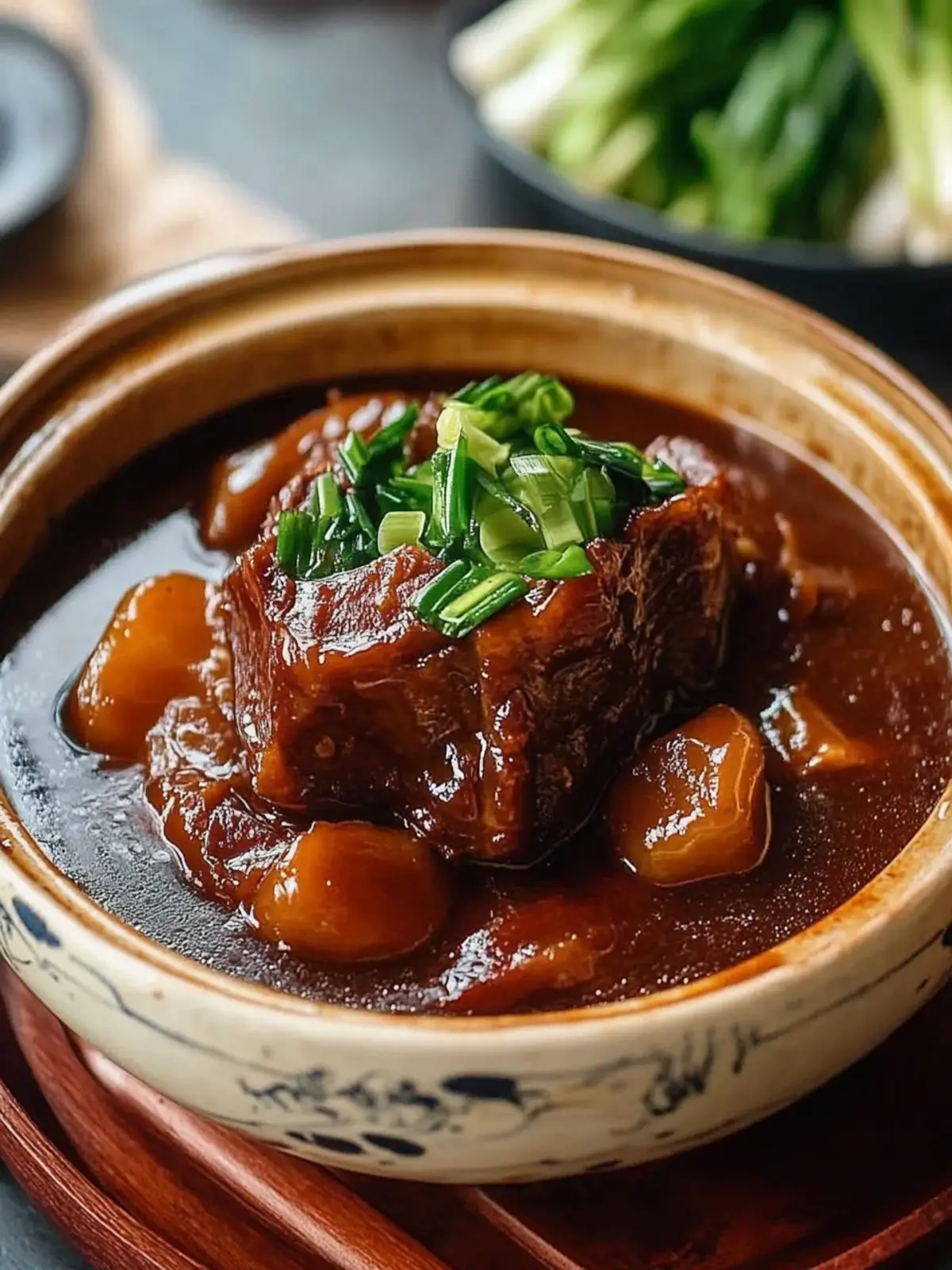
Why is Chinese Braised Ti Pang so special?
Rich, Comforting Flavor: Each bite of this dish offers a blend of savory soy sauce, aromatic spices, and melt-in-your-mouth pork that creates an unforgettable experience.
Festive Tradition: Perfect for celebrations, particularly during Chinese New Year, this dish not only fills your belly but also brings good fortune to your home.
Simple Preparation: With straightforward steps, you can impress your loved ones without the fuss perfect for home cooks and busy chefs alike!
Crowd-Pleasing Delight: Whether it s a family dinner or a gathering with friends, this dish is sure to be a hit, leaving everyone wanting to learn your secrets.
Versatile Pairing: Serve it alongside steamed rice and seasonal veggies for a complete meal that balances flavors and textures beautifully.
Chinese Braised Ti Pang Ingredients
For the Pork
Pork Front Hock/Shank (3 pounds) The hero of this dish, delivering rich flavors; visit your butcher or Asian grocery for the freshest cut.
For the Spice Pouch
Star Anise (3) Brings in a sweet and licorice-like flavor that is essential for authenticity.
Cloves (10) Adds warmth and depth to the overall flavor profile.
Cinnamon Stick (2-inch) Infuses a comforting spicy note to the braise.
Sichuan Peppercorns (1 tsp) Provides a unique numbing spice; adjust based on your heat tolerance.
Fennel Seeds (1 tsp) Contributes a sweet and mildly anise-like flavor.
Black Cardamom Pods (2) Offers a smoky essence that enhances the dish.
Bay Leaves (5) Infuses subtle herbal flavor throughout the braising process.
Dried Orange Peel (5 g) Adds a hint of citrus brightness to the mix.
Black/White Peppercorns (1 tsp) Enhances overall spice without overwhelming the dish.
Dried Red Chilies (1-2) For those who like a bit of heat; adjust according to preference.
For the Cooking Liquid
Shaoxing Wine (2 tablespoons + 1/2 cup) Elevates flavor and aroma; use dry sherry if needed.
Vegetable Oil (3 tablespoons) For browning the pork to achieve that crispy skin; sesame oil is a great substitute for extra flavor.
Rock Sugar (40 g) Sweetens the dish, balancing the savory notes; swap with brown sugar if necessary.
Garlic (5 cloves) Essential for aromatic depth; reduce quantity if sensitive.
Ginger (5 slices) Vital for authentic taste, contributing warmth; fresh ginger is preferred.
Scallion Whites (5) Adds mild onion flavor; can use regular onions as an alternative.
Light Soy Sauce (1/4 cup) Key for umami and color absorption; adjust quantities based on taste.
Dark Soy Sauce (1 teaspoon) Also for color enhancement; use sparingly for depth.
Water (7-8 cups) Necessary for the braising process; ensure it covers the pork adequately.
For Thickening
Cornstarch (1 tablespoon mixed with 3 tablespoons water) Optional thickening agent for sauce, use if you prefer a heartier texture.
Salt To taste; enhances the entire dish.
Sesame Oil (1/4 teaspoon) A lovely finishing oil for fragrance; this step is optional but highly recommended.
Dive into this recipe with everything ready, and soon you ll savor the essence of Chinese Braised Ti Pang that brings warmth and joy to your table.
How to Make Chinese Braised Ti Pang
Prepare the Spice Pouch:
Gather the spices mentioned, and wrap them in cheesecloth to create a compact pouch. Set aside and let the warm aromas build excitement!Blanch the Pork Shank:
Rinse the pork shank thoroughly, making sure to remove any bristles. Blanch it with ginger and Shaoxing wine in a pot of boiling water for just one minute. Drain and rinse again to ensure cleanliness.Brown the Pork:
Pat the pork dry using paper towels. Heat vegetable oil in a wok over medium heat, then brown the pork on all sides for about 10-15 minutes until the skin is beautifully crisp.Sauté Aromatics:
In the remaining oil, melt the rock sugar until it s caramelized. Sauté the ginger, garlic, and scallion whites together for 2 minutes until fragrant and inviting.Create the Braising Liquid:
Pour in the Shaoxing wine, both light and dark soy sauces, and add water to create a rich braising liquid. Bring it to a gentle boil, then turn off the heat and get ready to braise!Braise the Pork:
Place the brown pork in a deep pot. Pour the braising liquid over it, ensuring the pork is 75% submerged, and tuck in the spice pouch.Simmer to Perfection:
Cover the pot and bring it to a boil, then reduce the heat to medium-low. Let it simmer for 3 hours, flipping the pork every 30 minutes to allow even flavor absorption.Check for Tenderness:
Once the pork is tender, the bone should pull out easily. Transfer the pork to a serving bowl and skim the excess fat from the braising liquid. Reduce the sauce for a thicker gravy, seasoning with salt and sesame oil to taste.Serve and Enjoy:
Ladle the rich sauce over the braised pork shank and serve warm to your eager guests. They ll be delighted by this sumptuous dish!
Optional: Garnish with chopped scallions for a fresh pop of color.
Exact quantities are listed in the recipe card below.
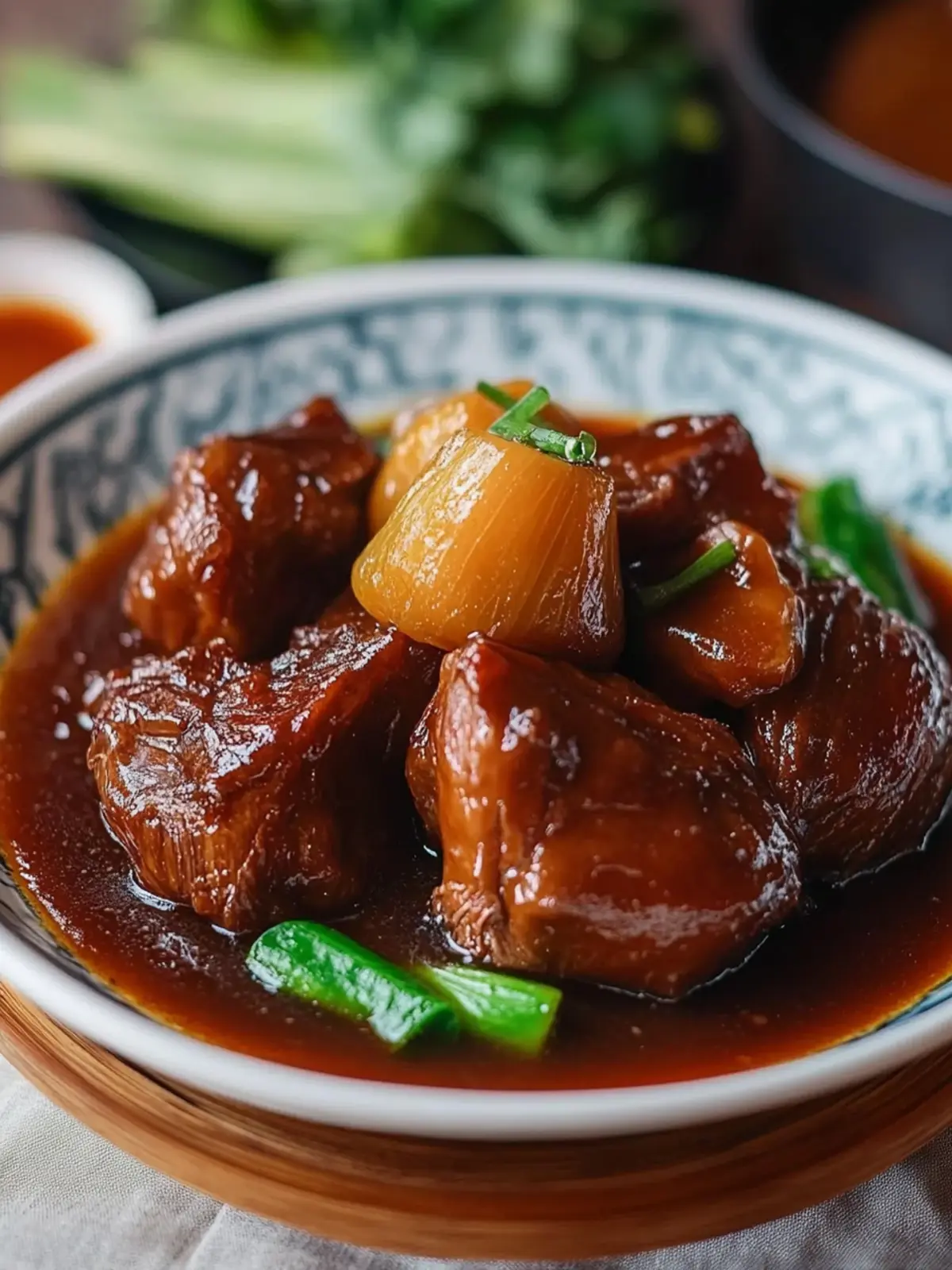
What to Serve with Chinese Braised Ti Pang?
Creating a delightful dining experience is easier when you know the perfect pairings to complement a flavorful dish.
Steamed Jasmine Rice: The fluffy grains soak up the rich sauce beautifully, providing a perfect canvas for the savory pork. A hint of fragrant jasmine elevates the meal.
Stir-Fried Bok Choy: These tender greens add a refreshing crunch and a splash of color, balancing the dish’s richness with their light, slightly sweet flavor.
Garlic Butter Noodles: The soft noodles, kissed with garlic and butter, provide a comforting backdrop that harmonizes with the bold taste of the braised pork while adding a twist of indulgence.
Asian Slaw: A crunchy medley of cabbage and carrots tossed in a tangy sesame dressing brings zest and brightness to your table, refreshing the palate between bites of the hearty pork.
Sweet and Sour Cucumber Salad: This crisp side offers a delightful contrast to the warm, savory flavors of the pork, with its tangy sweetness cutting through the richness beautifully.
Chilled Tsingtao Beer: Pairing the dish with a light beer like Tsingtao offers a refreshing counterpoint to the savory richness, enhancing the overall dining experience.
Sesame Seed Cookies: For dessert, these delightful treats provide a delightful crunch and nutty flavor, giving a sweet conclusion to your flavorful feast.
Chrysanthemum Tea: This floral tea not only soothes but its delicate flavors complement the bold dish nicely, cleansing the palate and encouraging second helpings!
Expert Tips for Chinese Braised Ti Pang
Dry the Skin: Ensure the pork skin is completely dry before browning it; this step is crucial for achieving that crispy texture everyone loves.
Maintain Liquid Level: Keep the pork 75% submerged in the braising liquid for the best flavor infusion; add more water if necessary throughout the cooking process.
Flip Regularly: Remember to flip the pork every 30 minutes during the simmering phase for even cooking and flavor absorption, enhancing the overall taste of your Chinese Braised Ti Pang.
Doneness Test: Always check if the meat is tender enough; it should easily separate from the bone. If it’s not, give it more time to simmer.
Thickening Sauce: For a richer sauce, don t skip the cornstarch mixture, but only add it if you prefer a thicker gravy; it s optional for those who like it lighter.
How to Store and Freeze Chinese Braised Ti Pang
Fridge: Leftover Chinese Braised Ti Pang can be stored in an airtight container for up to 3 days. Ensure it’s completely cooled before sealing to retain moisture.
Freezer: For longer storage, freeze the braised pork in a freezer-safe container for up to 3 months. Thaw in the refrigerator overnight before reheating.
Reheating: Gently reheat on the stovetop over low heat or in the microwave, covered, to maintain its luscious texture and avoid drying out. Add a splash of water if needed.
Serving Tip: When ready to enjoy, serve with fresh steamed rice and seasonal veggies to revitalize your meal!
Make Ahead Options
Chinese Braised Ti Pang is an excellent choice for meal prep enthusiasts! You can easily prepare the braising liquid and the spice pouch up to 24 hours ahead of time. Simply store the spice pouch in an airtight container and refrigerate the braising liquid in a separate container. When you re ready to enjoy this savory dish, just brown the pork and then proceed with cooking as directed, adding the prepped liquid and spice pouch. This approach not only saves time on busy weeknights but also helps the flavors to meld beautifully, ensuring your meal is just as delicious and comforting when served. Enjoy the convenience of having this festive dish ready to go with minimal effort!
Chinese Braised Ti Pang Variations
Feel free to add your personal touch and make this dish your own!
Chicken Swap: Substitute pork with chicken thighs to create a lighter yet flavorful option. Adjust the cooking time to 1.5 to 2 hours.
Spicier Kick: Add a few slices of fresh chili or more Sichuan peppercorns for an exciting burst of heat throughout the dish. Embrace the warmth!
Vegetarian Option: Swap the meat for hearty mushrooms like shiitake or portobello, using vegetable broth instead of water to keep the depth of flavor. A delicious twist awaits!
Sweetness Adjust: Use honey instead of rock sugar for a natural sweetness that harmonizes beautifully with the savory elements. It adds an intriguing caramel flavor!
Citrus Spark: Incorporate freshly squeezed orange or lemon juice into the braising liquid for a zesty brightness that elevates the dish to new heights. Bright flavors are always welcome!
Herbal Infusion: Toss in fresh herbs like thyme or cilantro in the last hour of braising for a refreshing herbal finish that complements the richness of the pork. A perfect balance!
Mixed Greens: Serve alongside a medley of sautéed seasonal greens, like bok choy and Chinese broccoli, to bring a fresh crunch and color to your meal. It s a vibrant touch!
Noodle Nest: For a comforting variation, serve the braised pork over a bed of thick noodles or rice noodles, allowing the luscious sauce to soak in. A cozy bowl of goodness!
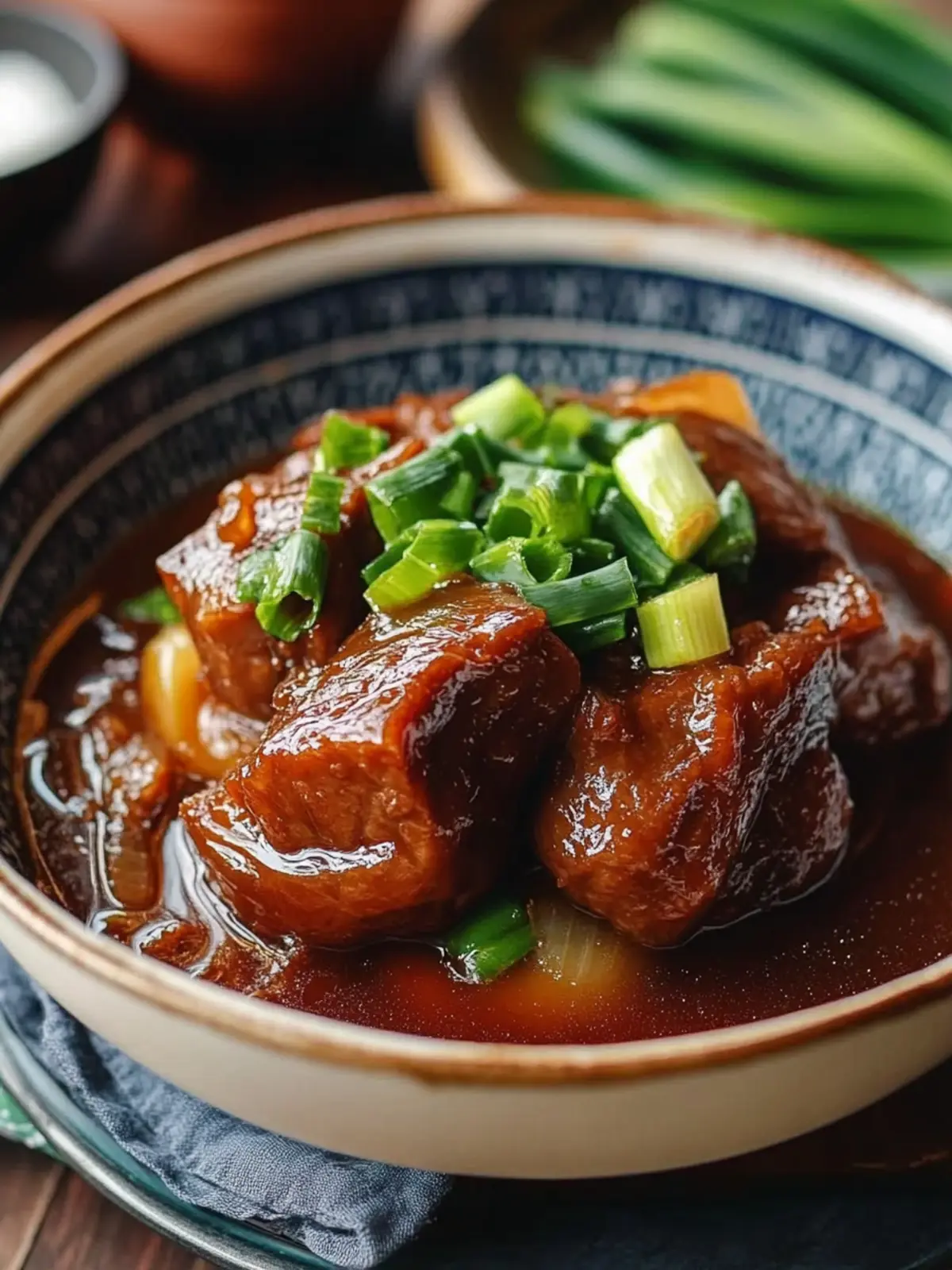
Chinese Braised Ti Pang Recipe FAQs
How do I select the best pork shank for this recipe?
Absolutely! When choosing your pork front hock or shank, look for meat that is bright pink and firm, with a bit of marbling for flavor. Avoid cuts with dark spots or excessive fat. Visiting a quality butcher or an Asian grocery store often yields the freshest selections.
How should I store leftovers of Chinese Braised Ti Pang?
For sure! You can store leftover Chinese Braised Ti Pang in an airtight container in the refrigerator for up to 3 days. Make sure it’s cooled down before sealing to help retain its moisture and flavor.
Can I freeze Chinese Braised Ti Pang, and how?
Yes, you certainly can! To freeze, let the braised pork cool completely, then place it in a freezer-safe container. It will keep well for up to 3 months. When you’re ready to enjoy it again, simply thaw it in the refrigerator overnight and reheat gently on the stovetop or microwave, adding a splash of water if needed to moisten.
What should I do if the pork isn’t tender after simmering?
Don’t worry; this can happen! If your pork isn’t tender after the 3-hour simmer, simply cover the pot and continue to simmer for an additional 30 minutes to 1 hour, checking for tenderness every 10-15 minutes. Remember, the meat should easily pull away from the bone when it’s done.
Are there any dietary concerns regarding the ingredients?
Definitely! If you, or anyone you’re serving, has allergies, be mindful that this recipe contains soy and garlic, which are common allergens. For a gluten-free version, you can substitute regular soy sauce with gluten-free alternatives like tamari. Always adjust seasonings based on your guests’ dietary restrictions to ensure everyone can enjoy this delicious meal!
How can I adjust the spiciness of the dish?
Very easy! To modify the heat level, simply adjust the amount of dried red chilies in the spice pouch. For a milder flavor, you can omit them entirely, or for more heat, add a few slices of fresh chili or an extra pinch of Sichuan peppercorns. Tailor it to suit your taste everyone’s palate is different!
Chinese Braised Ti Pang Recipe FAQs