
Savory Zhajiangmian: Ultimate Comfort Noodles You’ll Love
Last Updated on May 8, 2026 by juliarecipez
There’s something enchanting about the thick, chewy noodles of Zhajiangmian glistening in a savory sauce, perfectly blended with fragrant garlic and ginger. A dish that transports you straight to the bustling streets of Beijing with every bite, this noodle recipe is more than just a meal; it s an experience wrapped in umami goodness. I first discovered this gem during a family dinner when my cousin introduced me to the world of homemade Chinese comfort food it’s been a staple ever since.
Whether you’re tired of the fast-food routine or simply looking to bring a taste of authentic Chinese cuisine into your kitchen, Zhajiangmian checks all the boxes. This delightful dish is not only easy to prepare but also surprisingly versatile, allowing you to customize the flavors with various soybean pastes and fresh vegetables. Perfect for family gatherings or cozy weeknights, the vibrant colors and wholesome ingredients guarantee a plate full of joy. So, grab your apron, and let s dive into the heartwarming world of Zhajiangmian!
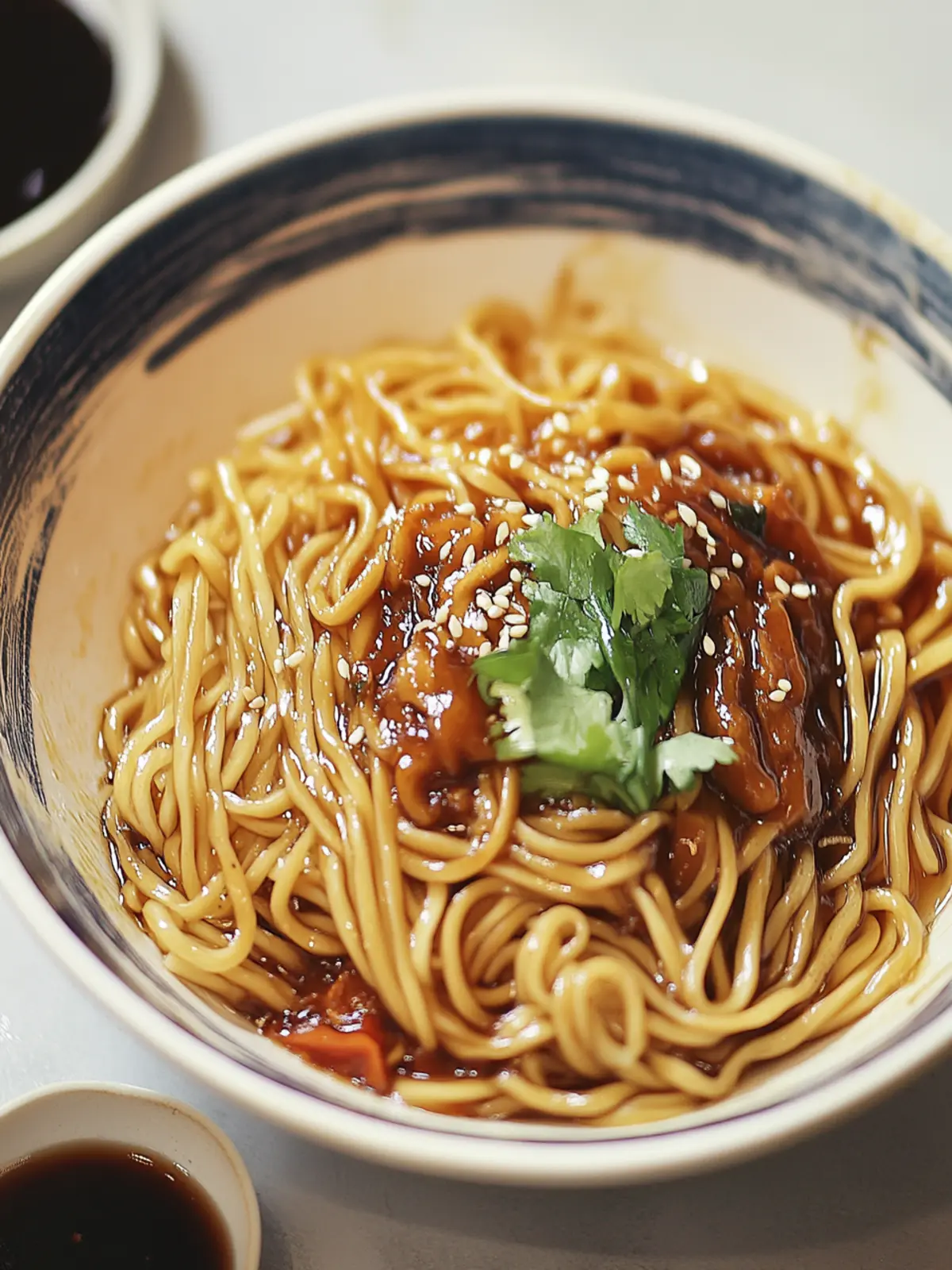
Why is Zhajiangmian the ultimate comfort food?
Comforting warmth: Each bite of Zhajiangmian is like a warm hug, offering a rich, savory blend that embodies the essence of homemade love.
Quick to prepare: With straightforward steps, you can whip up this dish in no time, making it a perfect option for busy weeknights.
Versatile flavors: Swap the pork for tofu or turkey, or play with different fresh vegetables to suit your taste this recipe invites creativity!
Umami explosion: Featuring fermented soybean paste, each bowl is loaded with depth, delivering a satisfying umami punch that keeps you coming back for more.
Family favorite: This noodle dish is sure to impress family and friends, making it a staple for gatherings, thanks to its vibrant colors and hearty ingredients.
Budget-friendly: Zhajiangmian is not only delicious but also easy on the wallet, allowing you to enjoy authentic Chinese flavors anytime!
Essential Zhajiangmian Ingredients
For the Noodles
Fresh Wheat Noodles The chewy base of the dish; you can use dried noodles if fresh is not available.
For the Sauce
Minced Pork Adds richness and depth; pork belly can provide an even fattier finish.
Fermented Soybean Paste The heart of the flavor; tianmianjiang is sweet and typical for this dish, while doubanjiang introduces heat.
Soy Sauce Enhances saltiness and gives a beautiful color to the sauce.
Shaoxing Wine Adds depth to the sauce; skip it only if necessary for a simpler version.
Sugar Balances the savory elements; taste and adjust based on the paste you choose.
Vegetable Oil Essential for sautéing; creates a flavorful base for the aromatics.
Garlic Freshly minced, it forms the aromatic backbone of the sauce.
Ginger Fresh ginger amplifies the dish’s vibrant flavors, harmonizing beautifully with garlic.
For the Toppings
Cucumber Thinly julienned for a refreshing crunch; consider using shredded cabbage or carrot as alternatives.
Carrot A splash of color and natural sweetness; feel free to omit or replace with other fresh veggies.
Spring Onions Chopped as a lively garnish; other herbs can work too if spring onions are unavailable.
How to Make Zhajiangmian
Cook the Noodles: Boil the fresh wheat noodles in a pot of salted water until tender, typically about 3-5 minutes. Drain, rinse with cold water, and toss with a drizzle of vegetable oil to prevent sticking.
Prepare the Sauce: In a bowl, combine the fermented soybean paste, soy sauce, Shaoxing wine, sugar, and a splash of water. Mix until well blended this will be the flavorful heart of your dish!
Sauté Aromatics: Heat a generous amount of vegetable oil in a wok over medium heat. Add the minced garlic and grated ginger, cooking until fragrant and golden, around 1-2 minutes. Be careful not to burn them!
Cook the Pork: Introduce the minced pork to the wok, stirring constantly until browned and cooked through, about 5-7 minutes. This step melds the pork flavor with the aromatics beautifully.
Combine Sauce and Pork: Pour the prepared sauce mixture into the wok with the cooked pork. Simmer for 8-10 minutes over low heat, stirring occasionally. Adjust the thickness by adding a little water if necessary.
Prepare Toppings: While the sauce simmers, julienne the cucumber and carrot into thin strips. Keep them chilled in the fridge until ready to serve for that refreshing crunch.
Serve: Divide the noodles evenly among serving bowls. Generously top with the savory pork sauce and arrange the fresh cucumber and carrot around the edges for a burst of color and crunch.
Optional: Drizzle with sesame oil before serving for an extra layer of flavor.
Exact quantities are listed in the recipe card below.
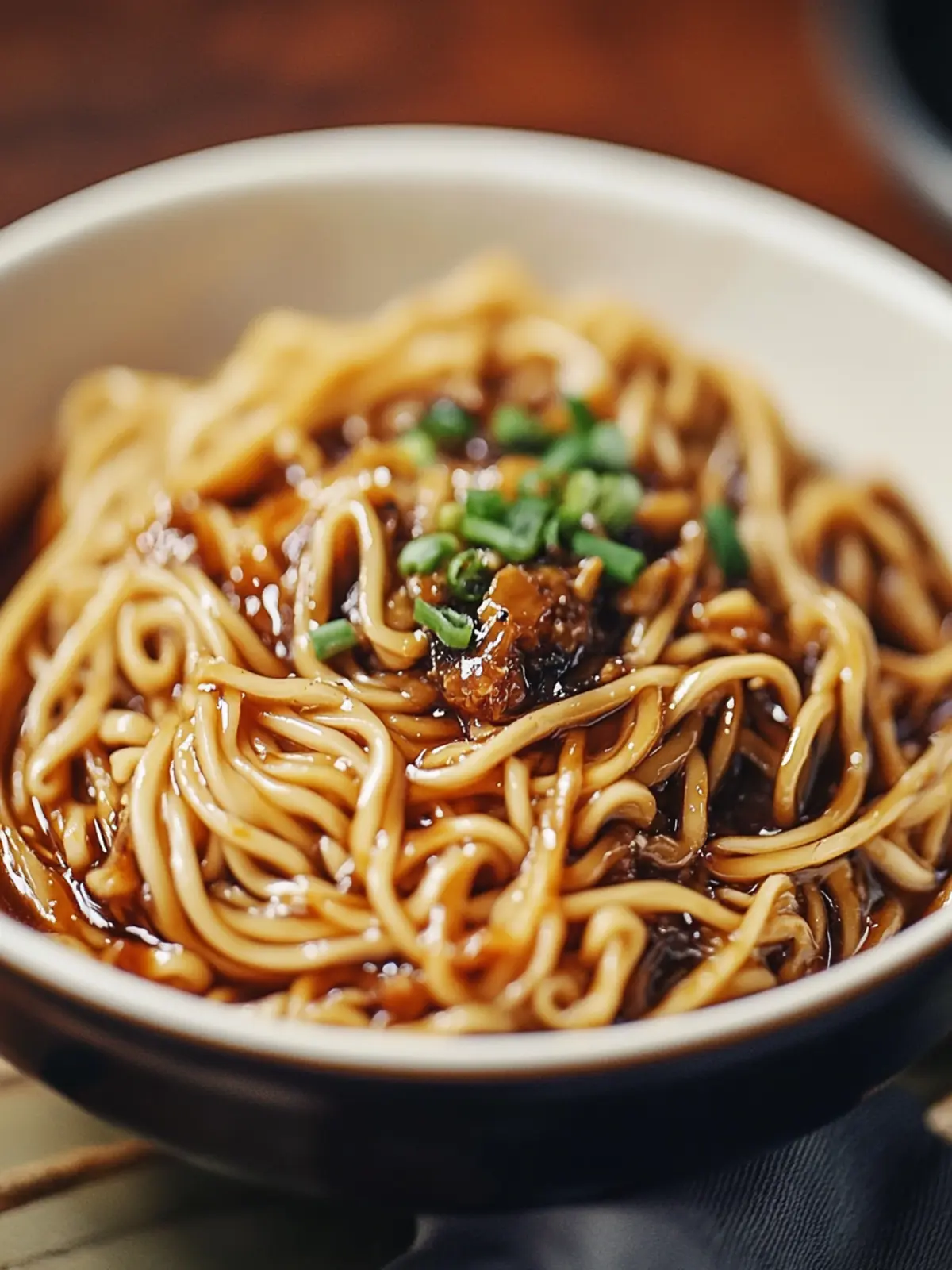
Variations & Substitutions for Zhajiangmian
Feel free to get creative with your Zhajiangmian by customizing ingredients to fit your tastes and dietary needs!
Vegetarian: Swap the minced pork for crumbled tofu or tempeh for a hearty, plant-based version that still packs a punch.
Spicy Kick: Use doubanjiang instead of tianmianjiang to add heat and depth, transforming your dish into a flavorful firecracker!
Crunchy Additions: Toss in some diced bell peppers or snap peas for an exciting texture twist and added crunch, making each bite delightful!
Zesty Twist: Add a squeeze of lime or lemon juice just before serving for a refreshing citrus brightness that complements the rich flavors beautifully.
Noodle Alternatives: Try using rice noodles or zucchini noodles for a gluten-free or lower-carb option that holds flavor beautifully with the sauce.
Extra Umami: Incorporate shiitake mushrooms into the pork mix to deepen the umami profile of your sauce, creating layers of flavor that will wow your family.
Herb Garnish: Top your bowl with fresh cilantro or mint for a burst of freshness that lightens up the dish and adds a charming herbal note.
Pickled Veggies: Serve with a side of pickled vegetables, like radishes or carrots, to introduce a tangy contrast that brightens up the rich dish!
How to Store and Freeze Zhajiangmian
Room Temperature: Best enjoyed fresh, but if needed, you can leave the dish at room temperature for up to 2 hours before refrigerating.
Fridge: Store any leftover Zhajiangmian in an airtight container for up to 3 days. Keep the noodles, sauce, and vegetables separate to maintain freshness.
Freezer: The sauce can be frozen in a sealed container for up to 3 months. When ready to use, thaw overnight in the fridge and reheat gently on the stove before serving.
Reheating: For optimal results, reheat the sauce on the stovetop, adding a splash of water if it thickens too much. The noodles can be quickly boiled or microwaved until warmed through.
Make Ahead Options
These Zhajiangmian are perfect for meal prep enthusiasts wanting to save time on busy weeknights! You can prepare the sauce up to 3 days in advance just combine the fermented soybean paste, soy sauce, Shaoxing wine, sugar, and water in an airtight container and refrigerate. Additionally, you can slice the cucumber and carrot and keep them in a separate container to maintain their crispness. When you’re ready to serve, simply cook the noodles fresh (they take only about 3-5 minutes) and warm the sauce in a pan, combining everything together for delightful, restaurant-quality Zhajiangmian with minimal effort!
Tips for the Best Zhajiangmian
Noodle Perfection: Make sure to not overcook the noodles; they should be tender yet chewy for the perfect bite.
Balance the Sauce: Taste as you go! The flavors can vary based on the type of soybean paste used, so adjust the sugar and salt accordingly.
Sautéing Timing: Add garlic and ginger to the hot oil at the right moment to ensure maximum flavor without risking burning them.
Keep It Fresh: Serve immediately after plating for the best texture and flavor, especially the toppings like cucumber and carrot which should remain crisp.
Experiment with Pastes: Feel free to switch between different soybean pastes like tianmianjiang for sweetness or doubanjiang for a spicier kick to personalize your Zhajiangmian experience.
What to Serve with Zhajiangmian?
Imagine a table filled with vibrant flavors and delightful textures to complement every mouthful of hearty noodles.
- Light Vegetable Soup: A steaming bowl of light vegetable soup enhances the meal’s comfort, offering a soothing contrast to the umami-packed noodles.
- Steamed Dumplings: These savory bites with their tender filling create a perfect pairing, inviting you to explore complementary flavors and textures.
- Garlicky Stir-Fried Greens: Fresh and crunchy greens sautéed in garlic add a refreshing crunch that brilliantly balances the richness of the sauce.
- Pickled Vegetables: A small side of tangy pickled vegetables introduces a delightful acidity, enhancing the overall flavor profile while cutting through the richness.
- Crispy Spring Rolls: The crispy texture of spring rolls provides a satisfying contrast to the noodles, offering a fun crunch with every bite.
- Chilled Green Tea: Serve chilled green tea alongside to cleanse the palate and complement the noodles, enriching the meal experience.
- Sesame Seed Cookies: End the meal on a sweet note with light, crunchy sesame seed cookies, which echo the nutty undertones of the dish.
- Fruit Salad: A refreshing fruit salad made with seasonal fruits rounds out the meal beautifully, adding a natural sweetness to balance the meal’s savory elements.
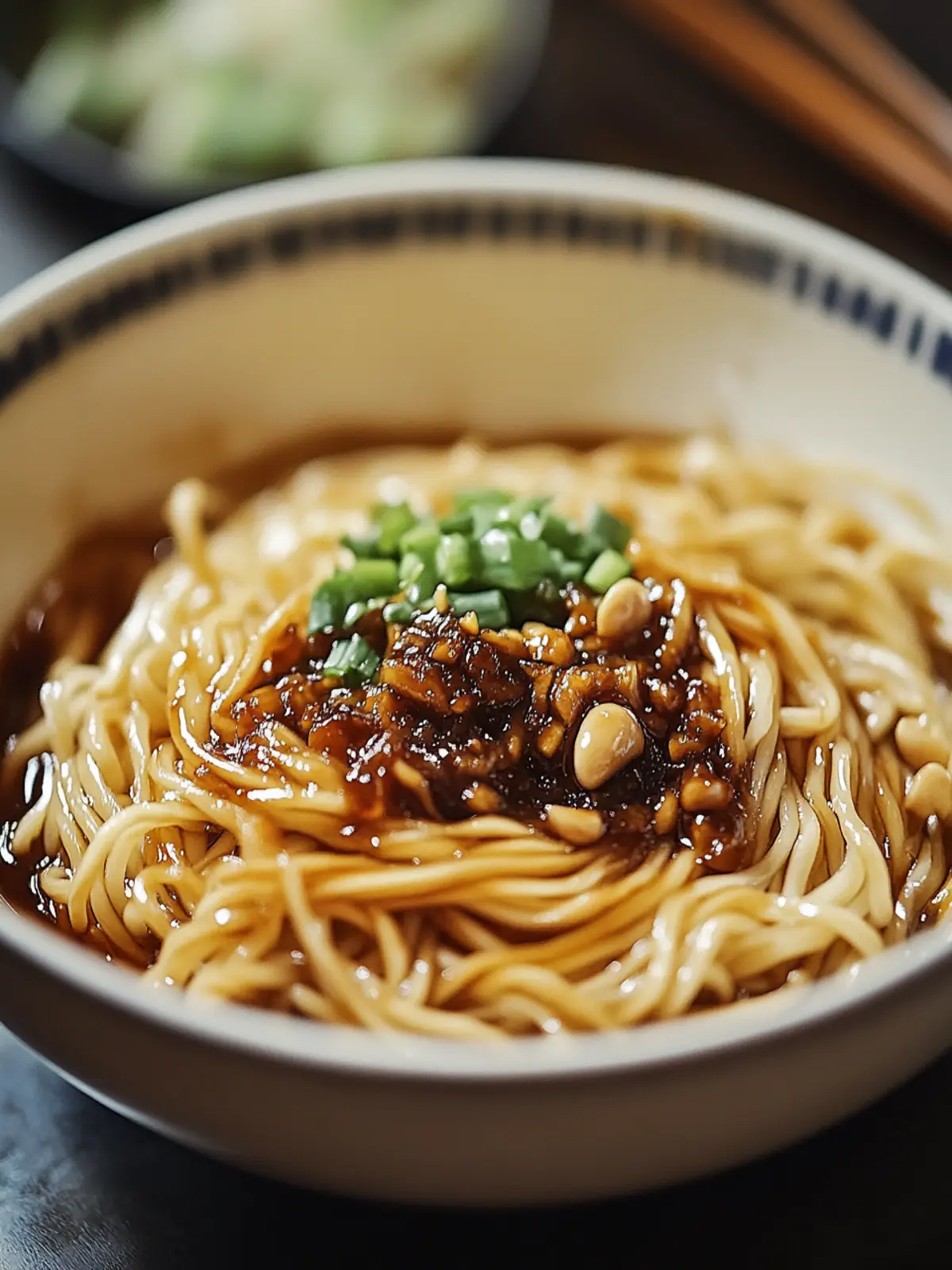
Zhajiangmian (Noodles with Soybean Paste) Recipe FAQs
What is the best way to select fresh wheat noodles?
Absolutely! Look for fresh wheat noodles that have a firm texture and a slight elasticity when you press them. They should be pale yellow or off-white without any dark spots. If you’re purchasing dried noodles, opt for ones labeled wheat and follow the cooking instructions, as they may require different boiling times.
How should I store leftover Zhajiangmian?
To keep your Zhajiangmian fresh, store the sauce, noodles, and vegetables separately in airtight containers. The sauce can stay in the fridge for up to 5 days, while the noodles should be consumed within 1 to 2 days. Refrigerating them oiled will prevent them from sticking together.
Can I freeze Zhajiangmian?
Yes! You can freeze the sauce for up to 3 months in an airtight container. For best results, thaw it overnight in the refrigerator before reheating. When ready to use, gently reheat it on the stove, adding water if it gets too thick. Remember, it’s best to cook the noodles fresh when you re ready to serve.
What if my sauce is too salty?
Very common! If you find that your Zhajiangmian sauce is too salty, add a splash of water or a little more sugar to balance it out. You can also add more minced pork or even some finely grated carrots to dilute the saltiness. Stir and taste until it reaches your desired flavor profile.
Are there any dietary considerations for this recipe?
Absolutely! If you or your guests have allergies, be mindful of the fermented soybean paste, as soy is a common allergen. For a gluten-free version, look for gluten-free noodles and a gluten-free soybean paste. Additionally, for a lighter meal, feel free to swap out the pork for ground turkey or tofu to make it vegetarian!
What kind of vegetables can I use as toppings?
The more the merrier! While cucumber and carrot are a classic pairing, you can experiment with other crunchy vegetables like bell peppers, bean sprouts, or radishes. You might even want to add some pickled vegetables for a tangy contrast. The key is to keep the toppings fresh and crisp to enhance your Zhajiangmian experience!