Spanish Vegetarian Paella Ready in 30 Minutes Burst of Flavor
Last Updated on May 8, 2026 by juliarecipez
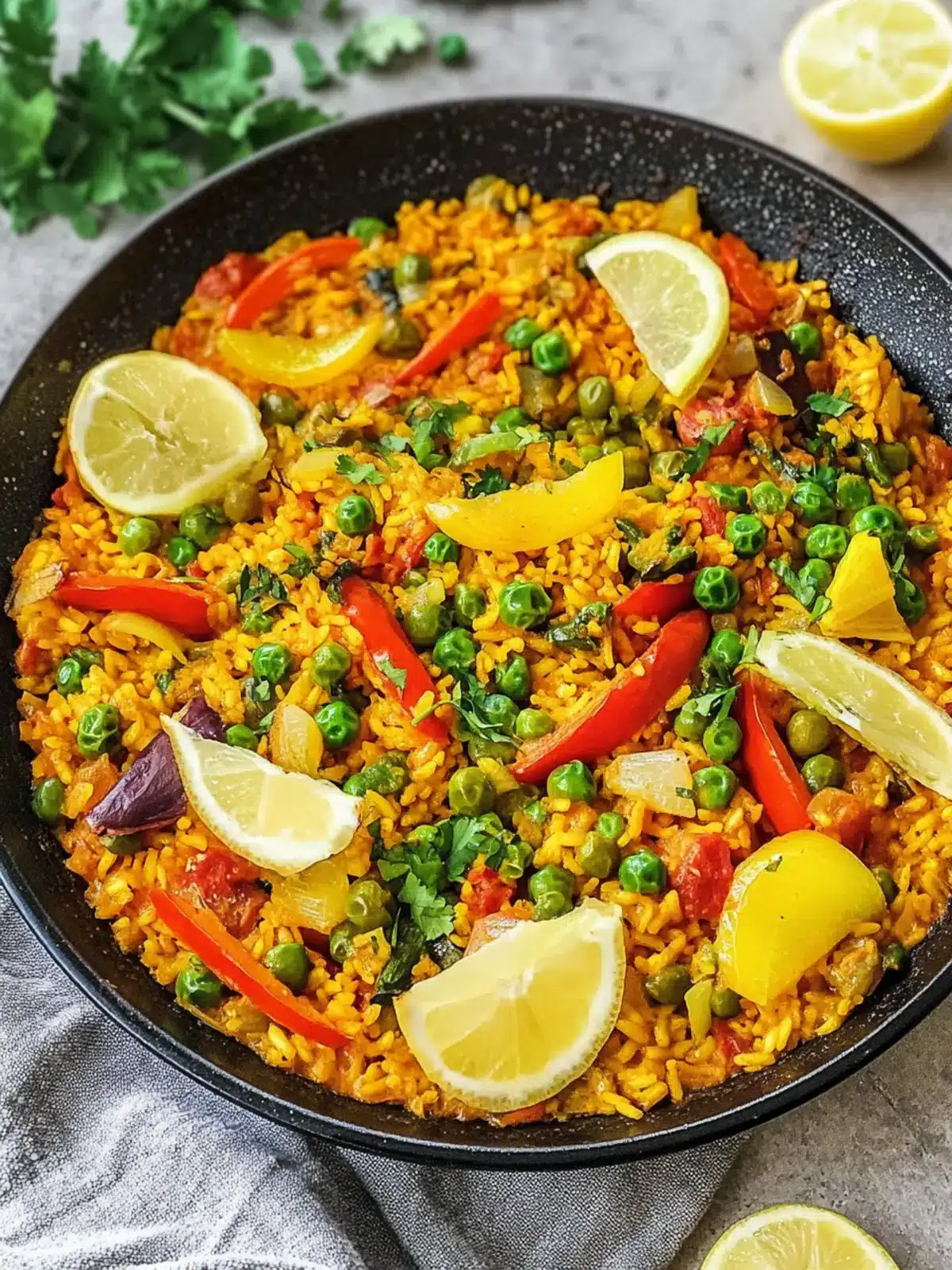
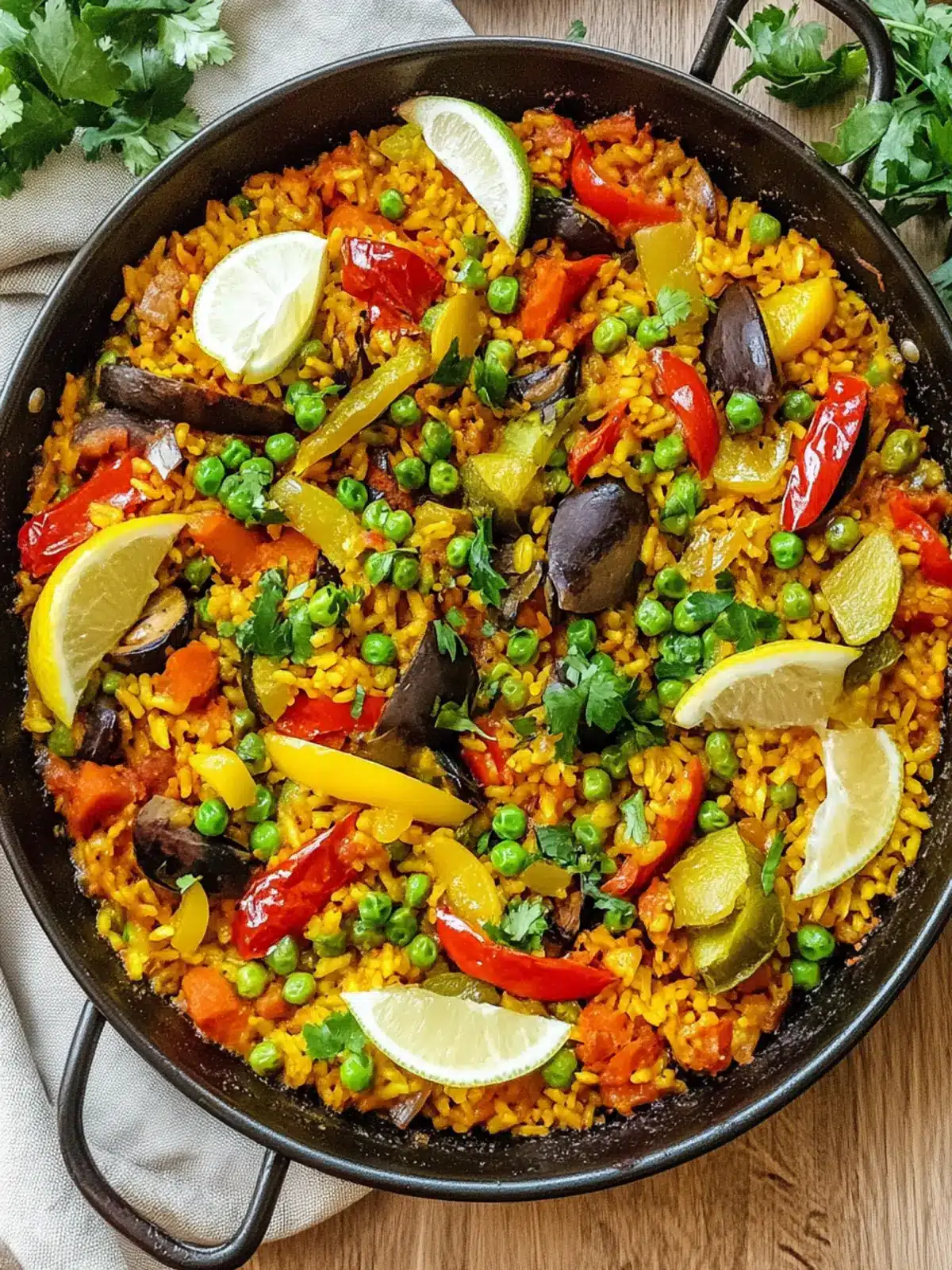
The sizzling sound of vegetables hitting the hot skillet always brings a smile to my face, and today, it s all about crafting a delightful Spanish Vegetarian Paella that s ready in just 30 minutes! I discovered this vibrant dish during a quest for healthy, homemade meals that don t skimp on flavor, and this one truly stands out. Picture fragrant saffron-infused rice mingling with sautéed seasonal vegetables, all coming together to create a colorful mosaic in your pan.
Whether you re hosting a lively gathering or simply trying to elevate your weeknight dinners, this vegetarian paella is a crowd-pleaser that effortlessly infuses your table with a taste of Spain. And let s be honest there’s something incredibly satisfying about whipping up a dish that looks gourmet but is super quick to prepare! So grab your apron and let s dive into the joyful art of making this wholesome dish that promises to impress your family and friends alike.
Why You’ll Love This Spanish Vegetarian Paella?
Quick and Easy: This recipe is ready in just 30 minutes, making it perfect for busy weeknights or last-minute gatherings.
Flavor Explosion: Fragrant saffron, smoked paprika, and a medley of seasonal veggies create a robust flavor that s sure to impress.
Customizable: With countless substitutions available, you can make it your own by swapping out veggies or rice.
Hearty and Wholesome: Packed with nutrients, this dish showcases hearty ingredients like spinach and chickpeas for a satisfying meal.
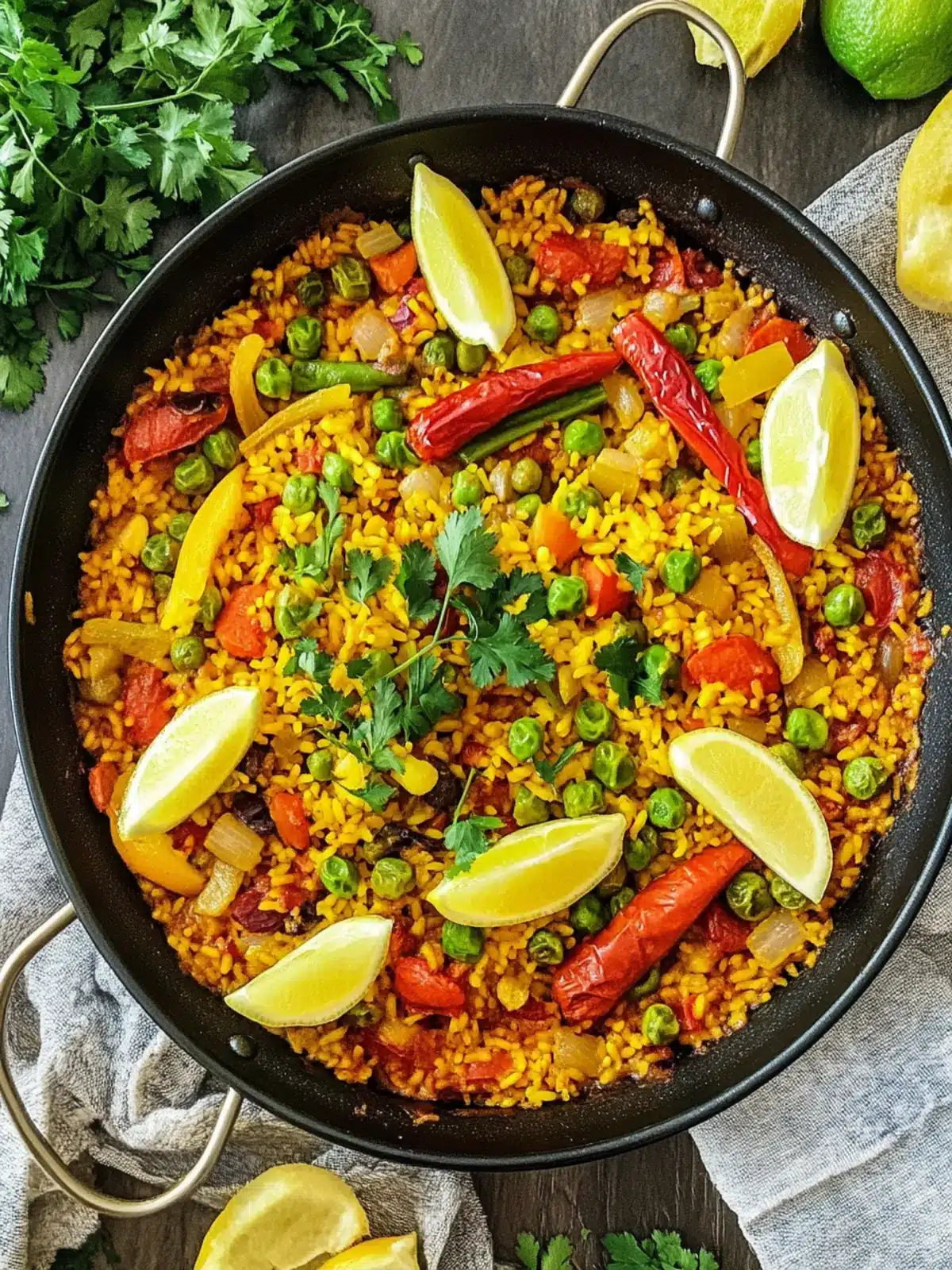
Eye-Catching Presentation: The vibrant colors make this paella not just delicious but also a stunning centerpiece for any table.
So, if you’re looking for a quick yet gourmet option, try this delightful paella and turn your meal into a celebration.
Spanish Vegetarian Paella Ingredients
For the Base
- Extra virgin olive oil Adds richness and flavor; use any light oil for a neutral taste.
- Onion Provides aromatics and sweetness; substitute with shallots for a milder flavor.
- Red bell pepper Adds sweetness and color; can substitute with yellow or green bell peppers.
- Carrots Adds sweetness and texture; replace with zucchini for a lighter option.
- Garlic cloves Enhances the flavor profile; powdered garlic can be used in a pinch.
- Cherry tomatoes Offers juiciness and bright flavor; diced regular tomatoes can be swapped.
- Spinach Adds color and nutrition; kale or Swiss chard can be used instead.
- Green peas Provides sweetness and texture; fresh or frozen is acceptable; lima beans can substitute.
- Artichoke hearts Adds unique flavor and texture; can be omitted or replaced with briefly cooked asparagus.
- Kalamata olives Offers salty brininess; any black olives can substitute; avoid overly soft varieties.
For the Rice
- Spanish rice (Bomba/Valencia) Key carbohydrate; absorbs liquids well; Arborio rice is a good alternative; do not use regular long-grain or brown rice.
- Saffron threads Essential for authentic flavor and distinct color; use saffron powder for a budget-friendly option.
For Seasoning and Garnish
- Smoked paprika Adds depth and subtle smokiness; regular paprika can be used for less smokiness.
- Vegetable broth Infuses flavor into the dish; use high-quality broth for best results.
- Fresh flat-leaf parsley Adds freshness and color as a garnish; can be replaced with cilantro for a different flavor.
- Lemon wedges Serves as a garnish and adds brightness; lime can be used as an alternative.
This Spanish Vegetarian Paella is not just a feast for the taste buds but also an opportunity to explore creative substitutions, making it perfect for any home chef eager to treat loved ones to a vibrant meal.
How to Make Spanish Vegetarian Paella
Heat the Broth: In a separate pot, warm up your vegetable broth. This will be the flavorful base for your paella, so keep it on a low simmer while you prepare the rest of the ingredients.
Soak Saffron: If you re using saffron threads, soak them in a small bowl with a couple of tablespoons of warm broth. This step ensures maximum flavor infusion and beautiful color.
Sauté Aromatics: In a large skillet, heat 2 tablespoons of extra virgin olive oil over medium heat. Add diced onion and minced garlic, sautéing until translucent and fragrant, about 2-3 minutes.
Add Vegetables: Toss in the chopped red bell pepper and carrots, cooking for an additional 3-5 minutes. Season with salt and sprinkle in smoked paprika if desired, stirring everything together.
Mix in Greens and Rice: Add fresh spinach and green peas to the skillet. Stir for a couple of minutes until the spinach wilts, then add in the rice, mixing well to coat it in the vegetable medley.
Incorporate Liquids: If you soaked saffron, add it to the skillet now. Pour in 3 ½ cups of the hot vegetable broth and bring the mixture to a gentle boil.
Cook the Paella: Lower the heat to medium and cook uncovered for 15-18 minutes without stirring this helps create that coveted crispy layer at the bottom. Check the moisture after 10 minutes, adding more broth if necessary.
Create the Socarat: In the final minute, increase the heat slightly to form the crispy socarat. Once done, remove from heat and let it rest for 5-10 minutes, covered.
Garnish and Serve: Before serving, garnish your paella with halved cherry tomatoes, freshly chopped parsley, and lemon wedges. The bright colors will invite everyone to the table!
Optional: Add a sprinkle of your favorite cheese on top for extra richness.
Exact quantities are listed in the recipe card below.
Make Ahead Options
These Spanish Vegetarian Paella components are perfect for meal prep enthusiasts looking to save time on busy weeknights! You can chop the vegetables and store them in an airtight container in the refrigerator for up to 3 days. Additionally, you can prepare the saffron infusion ahead of time by soaking the threads in warm broth and refrigerating it overnight. When it s time to cook, simply sauté the prepped vegetables and proceed with the recipe as usual, adding the rice and broth. This ensures that your dish maintains its vibrant flavors and textures, allowing you to enjoy delicious, homemade paella with minimal effort!
Spanish Vegetarian Paella Variations
Feel free to add your own personal touch to this delightful dish with these tasty and flexible variations!
Gluten-Free: Use a certified gluten-free vegetable broth to ensure the entire dish remains gluten-free while keeping the delicious flavors intact.
Rice Alternatives: Swap out traditional rice with quinoa for a nutty flavor, or use cauliflower rice for a lower-carb twist that s still hearty.
Spice It Up: Add a pinch of cayenne pepper or a splash of hot sauce for a spicy kick. A little heat can elevate the dish beautifully!
Fresh Herbs: Experiment with fresh herbs such as thyme, oregano, or basil for a unique flavor profile. These aromatic herbs can bring a refreshing twist to each bite.
Cheesy Delight: For a rich and creamy finish, sprinkle some crumbled feta or grated Parmesan on top right before serving. It adds a delightful salty bite that complements the vegetables.
Protein Boost: Toss in some chickpeas or black beans for added protein and texture, turning this paella into an even heartier meal that satisfies everyone.
Seasonal Veggie Swap: Embrace the seasons! Swap in whatever veggies are fresh think asparagus in spring or butternut squash in fall, allowing your paella to shine all year long. With an abundance of colorful choices available, the dish will always look festive.
Add Nuts: Toss in some toasted pine nuts or chopped almonds before serving for an unexpected crunch and rich flavor that elevates the whole dish.
Let your imagination run wild, and enjoy crafting a paella that reflects your own culinary flair!
Tips for the Best Spanish Vegetarian Paella
Don t Rinse the Rice: Avoid washing the rice before cooking it s crucial for keeping the starch, which develops a wonderful texture.
No Stirring Allowed: Once you add the broth, resist the urge to stir! This ensures a perfect socarat, that crispy layer you’re after.
Use a Wide Pan: A wide, shallow pan helps the rice cook evenly. If making a larger batch, consider using two pans instead.
Monitor the Moisture: Check the paella after 10 minutes and add more broth if needed to prevent burning.
Rest Before Serving: Let the dish rest for 5-10 minutes after cooking. This helps flavors meld beautifully, taking your Spanish vegetarian paella to the next level.
Storage Tips for Spanish Vegetarian Paella
Fridge: Store leftover paella in an airtight container in the fridge for up to 3 days to keep it fresh.
Freezer: For longer storage, freeze the paella in a freezer-safe container for up to 2 months. Thaw overnight in the fridge before reheating.
Reheating: Reheat on the stovetop or in the microwave until warmed through, adding a splash of broth to maintain moisture for the best taste and texture.
Serving Tips: This Spanish vegetarian paella can be enjoyed warm or even cold, making it a versatile option for lunch the next day!
What to Serve with Spanish Vegetarian Paella?
Imagine a delightful meal that transcends boundaries and invites your loved ones to gather around the table!
Crispy Garlic Bread: The crunchy texture and garlicky aroma provide a delightful contrast to the tender paella, perfect for soaking up any leftover flavors.
Mediterranean Green Salad: A fresh mix of greens, cucumbers, and olives adds a burst of brightness, enhancing the overall flavors while introducing new textures.
Roasted Vegetables: Seasonal veggies like asparagus or zucchini bring an earthy depth to your meal, wonderfully complementing the vibrant paella.
Chickpea Hummus with Pita: This creamy dip adds a different dimension of flavor and texture, making it a delightful starter to share with your guests.
Sparkling Lemonade: The effervescence and citrusy notes of a sparkling drink elevate the meal, refreshing your palate between bites.
Flan: A slice of creamy flan serves as a sweet, decadent ending, perfectly round out your Spanish-inspired dinner with a hint of indulgence.
Spanish Vegetarian Paella Recipe FAQs
How do I choose the best vegetables for my paella?
Absolutely! Opt for seasonal vegetables for the freshest flavors. Look for vibrant and firm veggies; avoid those with dark spots or signs of wilting. Red bell peppers, zucchini, and asparagus are wonderful additions that offer both color and crunch. You can customize this dish according to what’s available in your local market!
How long can I store leftover vegetarian paella?
Leftover paella can be stored in the fridge for up to 3 days in an airtight container. To maintain the dish’s integrity, I recommend reheating it gently on the stovetop with a splash of broth to prevent it from drying out. It s still delicious the day after!
Can I freeze Spanish vegetarian paella?
Very! To freeze your paella, let it cool completely and then transfer it to a freezer-safe container. It will keep well for up to 2 months. When you re ready to enjoy it, thaw it overnight in the fridge and reheat on the stovetop or microwave. This process helps to retain its flavor and texture.
What if my rice isn’t cooking properly?
If you find your rice isn t softening, it may be due to not enough liquid. Check the moisture level around the 10-minute mark and add more broth if necessary. Remember, avoid stirring once you’ve added the liquid! It s all about creating that beautiful, crispy socarat.
Is this recipe suitable for gluten-free diets?
Absolutely! This Spanish vegetarian paella is naturally gluten-free. Just be sure to chose broth and rice that are certified gluten-free. This way, you can enjoy this flavorful dish without any concerns!
What can I do to make this dish suitable for my vegetarian dog?
For your furry friends, you can set aside a portion of the cooked veggies without adding any spices or salt. Ensure to avoid ingredients like garlic and onions, as they can be harmful to dogs. Instead, simple steamed vegetables like carrots or peas can be a lovely treat for your pup!