
Warm Up with Homemade Mandu Guk (Korean Dumpling Soup)
Last Updated on May 8, 2026 by juliarecipez
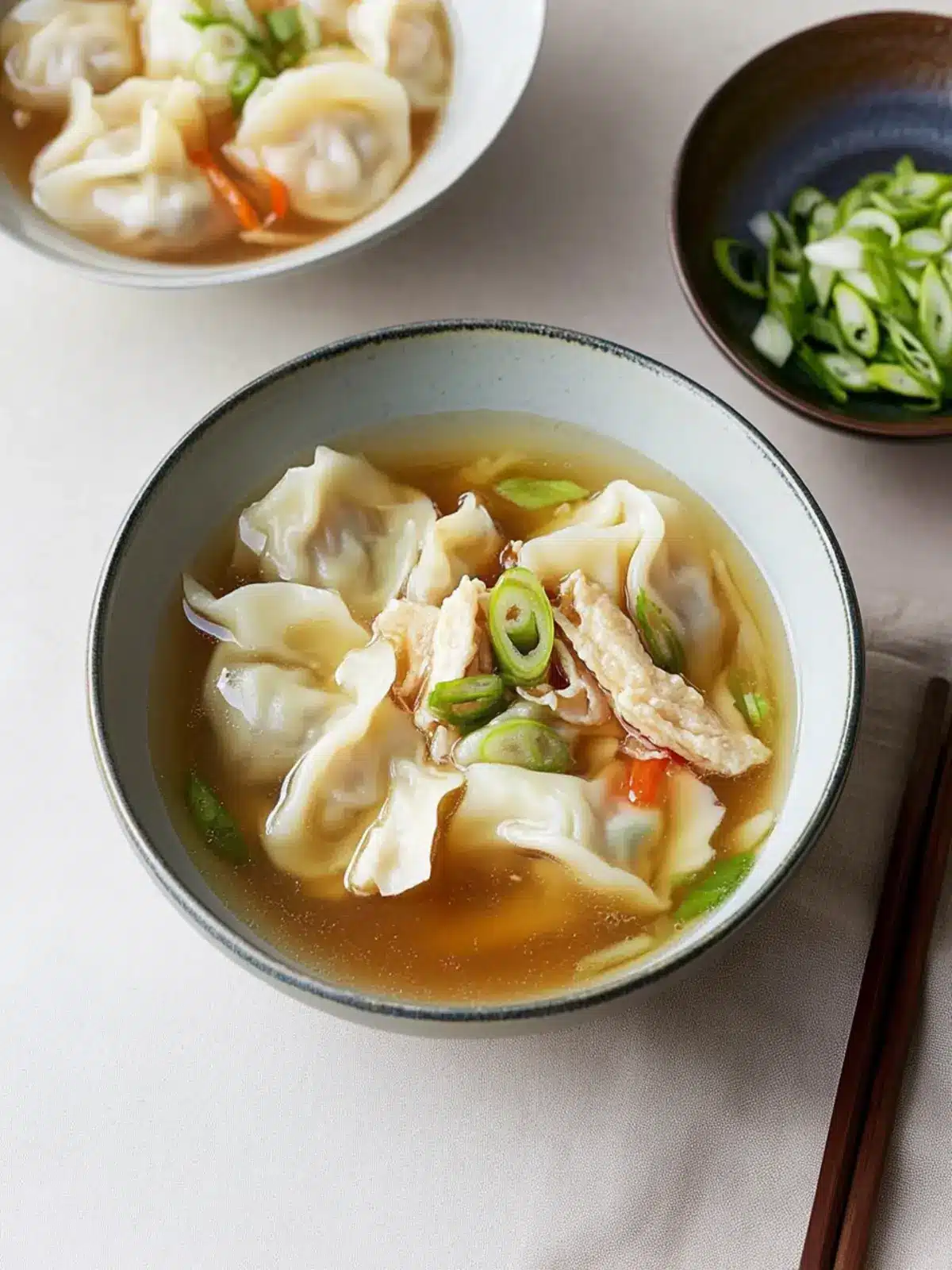
When the cold winds start to nip at your nose, there’s nothing like a steaming bowl of Mandu Guk (Korean Dumpling Soup) to warm both body and soul. As the aroma of savory beef brisket mixes with garlic and soy sauce, it invites you to gather around the table with loved ones, sharing stories and laughter. This delightful dish, packed with tender dumplings, is my go-to for those chilly evenings when fast food simply won’t cut it.
I will never forget the first time I tasted this comforting soup at a friend’s family gathering. The rich flavors danced on my palate, revealing a cozy harmony that I couldn t resist recreating in my own kitchen. What makes Mandu Guk truly special is its versatility; whether you’re using homemade dumplings or grabbing some from the freezer, this dish is easily adaptable to fit your needs.
So, if you re ready to embrace a heartwarming recipe that promises to impress without the fuss, let s dive into the delicious world of Mandu Guk, where every spoonful is a hug in a bowl!
Why is Mandu Guk a must-try dish?
Comforting warmth: This soup wraps you in a cozy embrace, making it perfect for chilly evenings.
Easy to make: With just a few simple steps, you can create a delightful meal that feels gourmet.
Flavor-packed goodness: The blend of savory beef, garlic, and soy sauce creates an irresistible taste that will have everyone asking for seconds.
Versatile: Whether you opt for homemade or store-bought dumplings, you can tailor this dish to suit your preferences.
Crowd-pleaser: Perfect for family gatherings or cozy nights in, this dish will surely impress your guests and loved ones.
Healthier alternative: Ditch the fast food and treat yourself to a nourishing bowl of happiness that’s made with love.
Mandu Guk Ingredients
Unlock the flavors of this traditional Korean dish with these essential ingredients!
For the Soup
- Beef brisket or chuck This cut is perfect for creating a rich broth; choose chuck for more fat, which adds flavor.
- Garlic Freshly minced garlic adds depth to the soup’s flavor profile.
- Soy sauce A key ingredient that enhances umami and gives the soup its savory base.
- Water Essential for creating the broth; feel free to substitute with beef broth for extra richness.
For the Dumplings
- Mandu (Korean dumplings) You can use homemade or store-bought; either choice will fill your Mandu Guk with delightful texture.
For the Finish
- Eggs Whisk these in gently to create beautiful ribbons in the soup that add a silky touch.
- Green onions Add a pop of freshness and color; they complement the rich flavors beautifully.
- Toasted sesame oil Just a drizzle brings a nutty aroma that elevates the entire dish.
- Salt and pepper Adjust to your taste; seasoning is vital for enhancing the dish’s flavors.
- Nori (seaweed sheets) Use them to add a crunchy, salty finish that perfectly complements the soup.
How to Make Mandu Guk
Combine ingredients: In a medium bowl, mix together the beef brisket, minced garlic, and soy sauce. Let it sit for a bit to absorb those delicious flavors while preparing the broth.
Boil your broth: In a large pot over high heat, bring 10 cups of water to a rolling boil. Once boiling, add in the marinated beef brisket and lower the heat to let it simmer covered for 30 to 35 minutes until tender.
Add mandu: Carefully add the mandu to the pot and increase the heat again to reach a low boil. Fresh mandu will need about 5 to 9 minutes, while frozen ones require around 12 minutes cook until they float!
Whisk eggs: In a small bowl, lightly whisk the eggs together until the whites and yolks are fully blended.
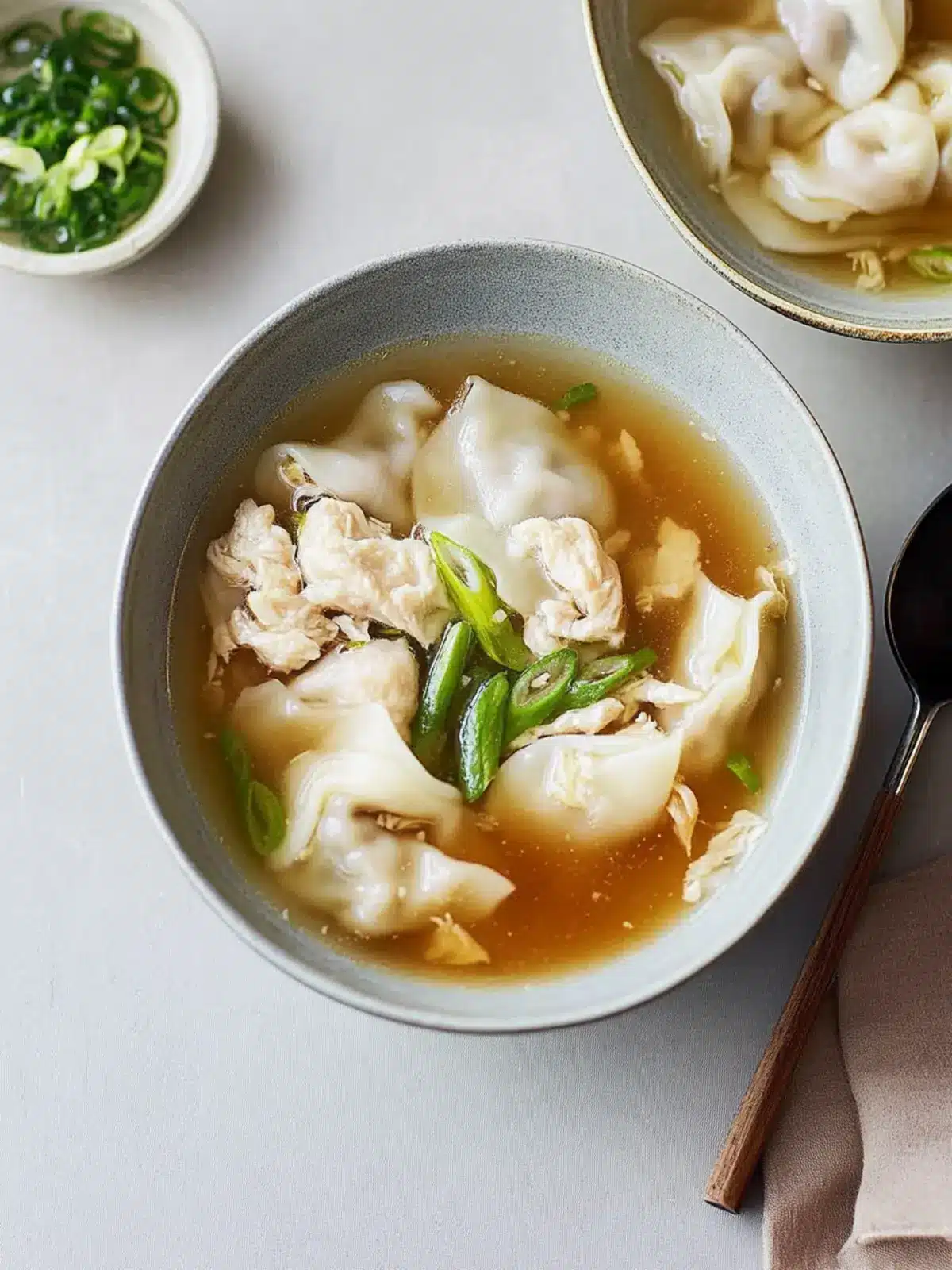
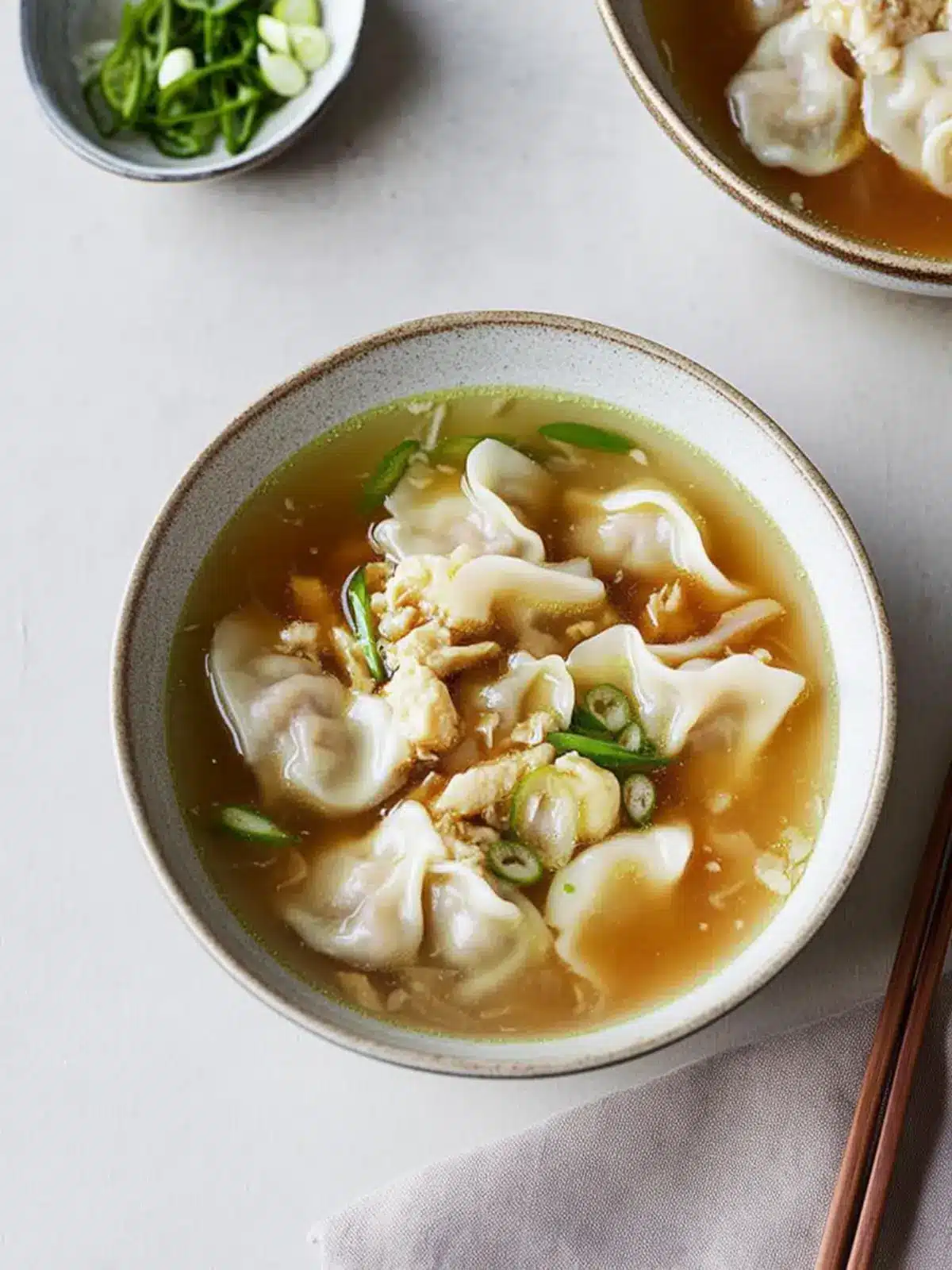
Create egg ribbons: When the mandu are cooked through, slowly drizzle in the beaten eggs as you gently stir the soup, allowing the eggs to cook and form lovely ribbons.
Finish and season: Turn off the heat, then mix in the green onions and toasted sesame oil. Season the soup with salt and black pepper according to your taste.
Serve: Divide the warming soup and mandu between 4 to 6 bowls. Crumble the nori with your hands or cut them into strips and sprinkle a handful over each bowl for a delightful crunch!
Optional: Garnish with extra green onions or a splash of chili oil for a bit of heat.
Exact quantities are listed in the recipe card below.
What to Serve with Mandu Guk?
As the comforting steam rises from your bowl of flavorful soup, envision a meal that perfectly complements its warmth and richness.
Steamed Rice: A light side of fluffy rice absorbs the savory broth, enhancing each spoonful of Mandu Guk for a satisfying meal.
Kimchi: The spicy tang of kimchi adds a delightful contrast to the rich flavors, harmonizing the dish with its zest and crunch.
Asian Vegetable Stir-Fry: Crisp veggies stir-fried in sesame oil provide a fresh texture and balance the hearty nature of the soup beautifully.
Sesame Spinach Salad: This cool and nutty salad introduces a bright, grassy flavor that refreshes the palate and rounds out the meal perfectly.
Korean Pancakes (Pajeon): These savory pancakes offer a crispy texture and a hint of green onion flavor that beautifully complements the dumplings in the soup.
Chilled Soba Noodles: Serve alongside cold soba noodles drizzled with soy dressing for a light, refreshing touch to your warm, hearty soup.
Traditional Makgeolli: Sip this sweet rice wine that enhances the comforting experience with its creamy texture and hints of earthiness.
Mango Sorbet: End your meal on a light note with a scoop of refreshing mango sorbet, cleansing the palate and adding a fruity twist.
Mandu Guk Variations
Feel free to play around with this recipe and make it your own!
Vegetarian: Swap beef brisket for mushrooms or tofu, and use vegetable broth for a rich, meat-free alternative.
This variation brings a lovely umami flavor that still provides a hearty base for the soup.Spicy Kick: Add sliced jalapeños or a teaspoon of gochujang (Korean chili paste) for a fiery twist.
The heat will ignite your taste buds, making each scoop an exciting adventure.Noodle Boost: Toss in some cooked rice noodles for an extra heartiness that’s perfect for noodle lovers.
These noodles will soak up the flavors and add a delightful texture to each bowl.Seafood Delight: Replace the beef with shrimp or fish for a lighter, ocean-inspired version of Mandu Guk.
This gives the soup a fresh twist that pairs beautifully with the dumplings.Mandu Mix: Use different types of mandu, like kimchi or seafood dumplings, to vary the flavors.
Mixing it up will surprise your palate with delicious new tastes in every bite.Herbal Note: Incorporate fresh herbs like cilantro or mint for a refreshing lift and unique flavor.
These herbs can transform your soup into a fragrant delight that’s perfect for warmer days.Coconut Cream: For a luxurious version, add coconut cream to the broth for a creamy texture and tropical hint.
This addition creates an indulgent twist that takes your Mandu Guk to the next level.Broth Upgrade: Substitute water with beef or chicken broth for a deeper flavor profile.
A savory broth elevates your soup, adding complexity that warms the heart and soul.
Make Ahead Options
These Mandu Guk (Korean Dumpling Soup) are perfect for meal prep enthusiasts! You can marinate the beef brisket with garlic and soy sauce up to 24 hours in advance, allowing those flavors to deepen. Additionally, you can cook the broth (water and marinated beef) and store it in the refrigerator for up to 3 days. Just keep the mandu separate and cook them fresh when you’re ready to serve, which only takes about 5 to 12 minutes, depending on whether they’re fresh or frozen. To maintain quality, always refrigerate the soup components separately and combine them just before serving, ensuring that every bowl of Mandu Guk remains just as delicious and comforting as if made from scratch!
Expert Tips for Mandu Guk
Choose the right beef: Use brisket for tenderness, but chuck adds great flavor due to its fat content. Avoid lean cuts, as they can result in a drier soup.
Marinate well: Allow the beef to marinate in soy sauce and garlic for at least 15 minutes to enhance flavor. Skipping this step can lead to a bland broth.
Monitor cooking times: Fresh mandu cooks faster than frozen; keep an eye on them to prevent overcooking and breaking apart.
Egg ribbons technique: Drizzle the whisked eggs slowly while stirring the soup to create delicate ribbons. A sudden pour can lead to clumping.
Taste as you go: Always season your Mandu Guk with salt and pepper before serving; taste testing ensures a well-balanced flavor.
Customize your broth: Feel free to use beef broth instead of water for an even richer flavor in your Mandu Guk.
How to Store and Freeze Mandu Guk
Fridge: Store leftover Mandu Guk in an airtight container for up to 3 days. Reheat gently on the stove, adding a splash of water if needed to restore the broth’s consistency.
Freezer: Freeze the soup without mandu for up to 3 months. When ready to enjoy, thaw overnight in the fridge and reheat on the stove, then add fresh or frozen mandu.
Packing: If freezing, divide the soup into single-serving portions to make reheating easier. Use freezer-safe containers to prevent freezer burn.
Reheating: Always reheat the Mandu Guk on low heat to maintain the flavor and texture of the ingredients. Enjoy warm!
Mandu Guk Recipe FAQs
How do I choose the right beef for my Mandu Guk?
Absolutely! I recommend using beef brisket or chuck. Brisket is more tender, while chuck adds a rich flavor due to its fat content. Avoid lean cuts as they can make your broth dry and less flavorful.
How long can I store leftover Mandu Guk in the fridge?
You can store your leftover Mandu Guk in an airtight container for up to 3 days. When you’re ready to enjoy it again, gently reheat it on the stove, adding a splash of water if the broth needs some restoring.
Can I freeze Mandu Guk?
Yes, you can freeze Mandu Guk! To do so, it’s best to freeze the soup without the mandu for up to 3 months. When you’re ready to enjoy it again, thaw it overnight in the fridge and reheat on the stove, then add fresh or frozen mandu to cook through.
What should I do if the mandu are overcooked during preparation?
If your mandu happen to break or become mushy, worry not! Simply reduce the heat and try to salvage the soup by gently separating the dumplings with a spoon. To avoid overcooking in the future, closely monitor the cooking time, especially for fresh versus frozen mandu fresh cooks in about 5 to 9 minutes while frozen will take approximately 12 minutes.
Are there any dietary considerations I should be aware of when making Mandu Guk?
Great question! If you’re serving guests with dietary restrictions, be mindful of potential allergens. The mandu may contain wheat, eggs, or shellfish, so always check the packaging. If you re considering pet safety, avoid sharing the soup with your pets due to ingredients like garlic and soy sauce, which can be harmful to them.
How can I enhance the flavor of my Mandu Guk?
The more, the merrier! Apart from the essential ingredients, you can elevate the flavor by adding a bit of ginger when simmering the beef or a splash of fish sauce for an extra depth of flavor. Just make sure to taste as you go and adjust seasonings!