
Delicious Homemade Gimbap: A Fresh Twist on a Classic Wrap
Last Updated on May 8, 2026 by juliarecipez
The enticing aroma of sesame oil and sautéed vegetables dances through my kitchen, transporting me straight to a bustling street market in Seoul. In the midst of a fast-food frenzy, I yearned for something fresh and satisfying something like kimbap. The delightful simplicity of this dish makes it a perfect option for a family meal or a picnic delight, all while being a wonderful way to embrace vibrant flavors and textures.
This classic kimbap recipe is not just about rolling rice and fillings into seaweed it s a culinary adventure that transforms a few humble ingredients into a delightful masterpiece. Juicy beef, crisp cucumbers, and savory pickled radish come together in a delightful harmony, creating a bite that is both nutritious and utterly satisfying.
So, if you’re tired of the same old takeout routine or searching for a healthy alternative, let s dive into making blissful kimbap together! Your taste buds will thank you, and soon, it might just become a staple in your kitchen repertoire.
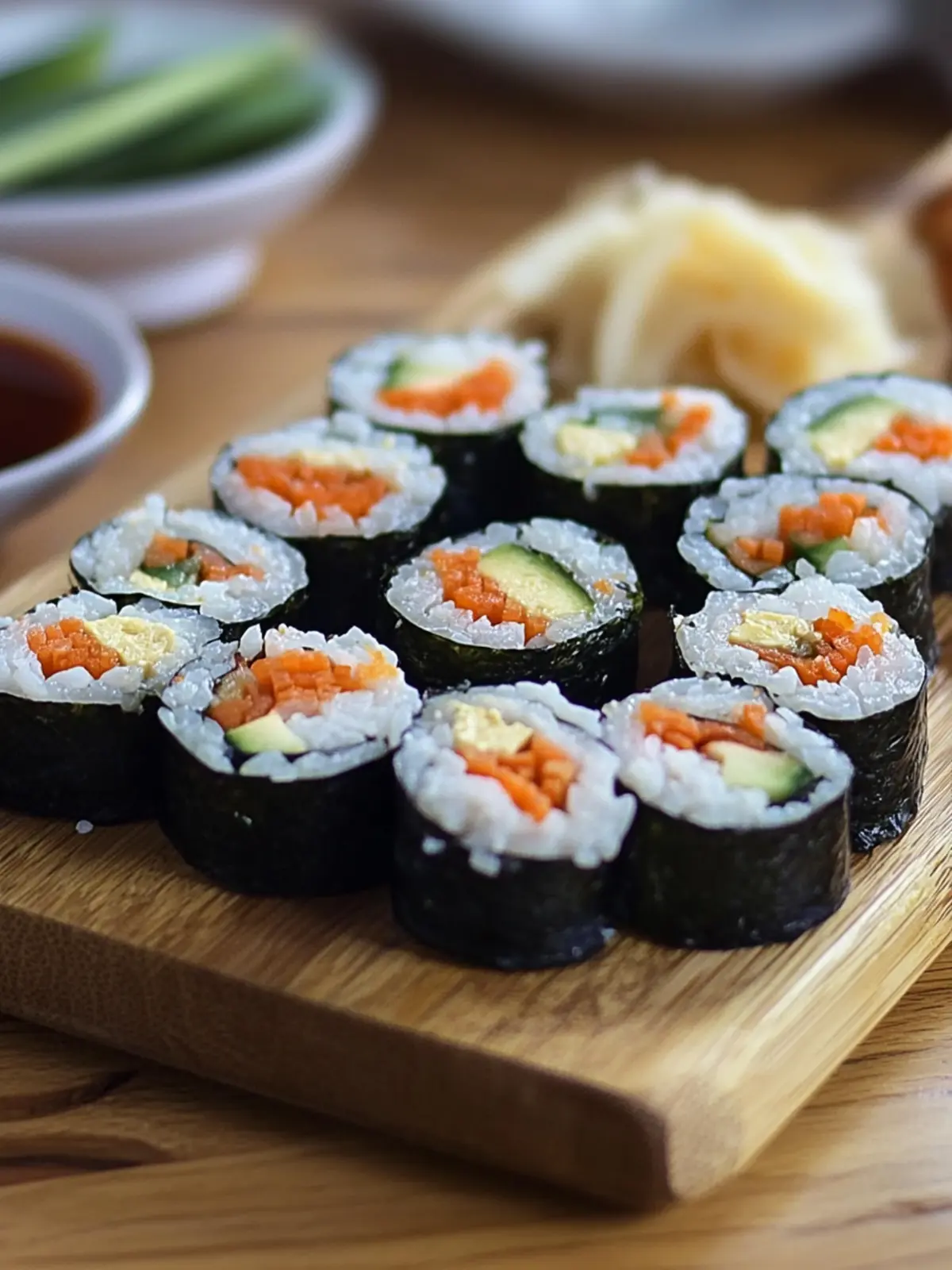
Why is Gimbap the perfect homemade dish?
Flavorful, fresh ingredients: A vibrant mix of crunchy vegetables, tender beef, and creamy scrambled eggs makes each bite a delight.
Easy to customize: Tailor your gimbap with your favorite fillings add more veggies or switch to chicken for endless variety.
Quick preparation: This recipe is user-friendly and designed for busy schedules, ensuring you spend less time cooking and more time enjoying.
Perfect for sharing: Ideal for family gatherings or picnics, gimbap brings people together with its inviting presentation and delicious taste.
Nutritious meal option: Packed with essential nutrients, gimbap is a wholesome alternative that satisfies your cravings without guilt.
Gimbap Ingredients
For the Rice
Non-glutinous rice 360 g gives the perfect sticky texture for rolling.
Water 500 g is essential for cooking the rice to fluffy perfection.
Salt 3 g enhances the overall flavor of the rice.
Sesame oil 13 ml adds a rich, nutty aroma to the rice.
For the Vegetables
Carrot 50 g brings crunch and sweetness; slice into thin strips.
Cucumber 80 g adds a refreshing crispness; deseed for reduced moisture.
Pickled radish 70 g provides a tangy contrast; essential for authentic gimbap.
Burdock roots 100 g gives an earthy flavor; soak it in vinegar for tenderness.
For the Beef
Minced beef 80 g makes for a hearty filling; season well for flavor.
Soy sauce 12 ml enhances the umami of the beef.
Sugar 2 g balances the savory notes of the beef.
Chopped green onion 2.3 g adds freshness; mix into the beef for depth.
Minced garlic 1.4 g imparts a fragrant aroma; sauté with the beef.
Ground black pepper 0.1 g gives a hint of spice.
For the Eggs
Eggs 2 create a lovely omelet; whisk with a touch of salt for flavor.
For Rolling
Dried laver 6 g holds everything together; lightly toast for crispiness.
Edible oil 26 ml helps when stir-frying the filling ingredients.
Vinegar 17 ml is used for soaking burdock roots and adding tang to the process.
Water 200 ml and additional 15 ml are used for seasoning and cooking.
Sugar 6 g sweetens the seasoning sauce for balance.
Refined rice wine 5 ml adds depth to the beef seasoning.
Using these ingredients, your homemade gimbap will be bursting with flavor and freshness, a delightful dish to enjoy anytime!
How to Make Gimbap
Wash and Soak: Rinse the non-glutinous rice thoroughly, then soak it in water for 30 minutes to achieve a perfect texture. After soaking, transfer the rice to a strainer and let it drain for about 10 minutes.
Prep the Veggies: Peel the carrot and burdock roots, wash the cucumber, deseed it, and cut all vegetables into 20-cm-long (8-inch) and 0.7-cm-thick (1/4-inch) sticks. Sprinkle 1/4 tsp salt on the carrot and cucumber, letting them sit for 5 minutes before wiping off excess moisture. Soak the burdock roots in diluted vinegar for 2 minutes.
Season the Beef: If necessary, soak up any blood from the minced beef. Combine the ingredients for seasoning sauce 2 and use it to flavor the beef, ensuring it’s deliciously seasoned.
Whisk the Eggs: Crack 2 eggs into a bowl, sprinkle with 1/4 tsp salt, and whisk until blended.
Cook the Rice: In a pot, combine the drained rice with 500 ml of water. Bring to a boil over high heat for 4 minutes, then reduce to medium heat for an additional 3 minutes. Finally, lower the heat to the lowest setting and steam for 10 minutes. Season the rice with salt and sesame oil and set aside.
Stir-Fry the Fillings: Heat a lightly oiled frying pan. Stir-fry the carrot and cucumber for about 30 seconds each on high heat. Then, cook the burdock roots over medium heat for 3 minutes, adding seasoning sauce 1 and simmering on low for 10 minutes. Quickly stir-fry the beef for around 2 minutes, and cook the egg on low for 3 minutes before flipping and cooking for an additional 2 minutes. Cut the cooked egg into 20-cm-long (8-inch) and 0.7-cm-thick (1/4-inch) strips.
Assemble the Gimbap: Lightly toast the dried laver over low heat and place it on a rolling mat. Spread an even layer of steamed rice across the laver, then place a colorful array of carrot, cucumber, burdock roots, pickled radish, beef, and fried egg in the center. Carefully roll everything into a log shape.
Slice and Serve: With a sharp knife, cut the rolled gimbap into 1.5-cm-wide (1/2-inch-wide) pieces, wiping the knife with a wet towel between slices to maintain neat edges.
Optional: Serve with additional soy sauce for dipping.
Exact quantities are listed in the recipe card below.
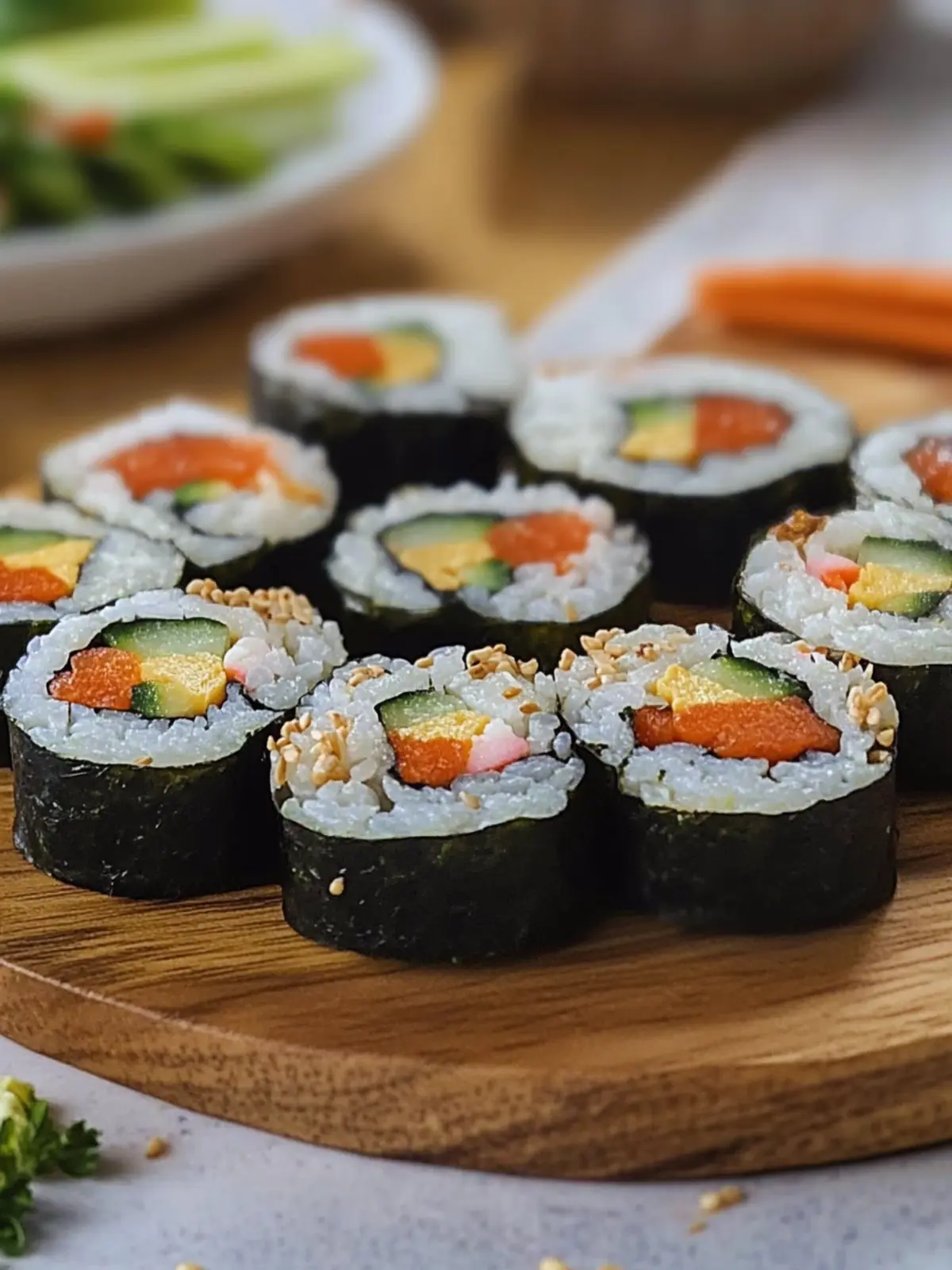
How to Store and Freeze Gimbap
Room Temperature: Gimbap is best enjoyed fresh, but if left out, consume within 2 hours to ensure safety and quality.
Fridge: Store leftover gimbap in an airtight container for up to 3 days. To maintain texture, consider wrapping individual pieces in plastic wrap.
Freezer: For longer storage, freeze gimbap for up to 1 month. Wrap tightly in foil or plastic wrap and place in a freezer-safe bag. Thaw in the fridge overnight before eating.
Reheating: To enjoy warm gimbap, gently reheat in the microwave for 30 seconds, or use a pan over low heat, adding a little water for moisture.
What to Serve with Gimbap?
Elevate your meal experience by discovering delightful pairings that perfectly complement the fresh flavors of gimbap.
- Light Soy Sauce: A classic dipping condiment that enhances the umami flavor of each bite.
- Kimchi: The spicy, tangy crunch of kimchi adds a vibrant kick and balances the richness of the beef.
- Pickled Vegetables: A medley of pickled veggies brings a tart and refreshing contrast, refreshing your palate.
Savoring gimbap becomes an adventure! A side of miso soup adds warmth and depth, while crispy tempura brings crunch. Consider a light salad with sesame dressing for a fresh, green element.
- Miso Soup: This warm, savory soup is comforting, perfectly balancing the freshness of gimbap.
- Crispy Tempura: The light batter and crunchy vegetables provide a delightful texture contrast to the soft gimbap.
- Sesame Salad: A refreshing mix of greens, lightly dressed with sesame oil, resonates with the nutty notes of the gimbap.
- Sparkling Water: A chilled sparkling water or green tea cleanse your palate, enhancing the overall dining experience.
- Fruit Banchan: Sweet, seasonal fruits like melon or pears serve as a refreshing and thirst-quenching dessert option.
Gimbap Variations & Substitutions
Feel free to unleash your creativity and personalize your gimbap with these delicious twists!
Vegetarian: Swap beef for sautéed mushrooms or tofu for a delightful plant-based option. You’ll still get that umami punch without the meat.
Spicy Kick: Add sliced jalapeños or a drizzle of sriracha inside the roll for an extra layer of heat that will wake up your taste buds!
Rice Alternatives: Use quinoa or brown rice in place of white rice for a healthier, nutty option that retains the dish’s character and charm.
Seafood Lover: Substitute minced beef with crab meat or shrimp for a luxurious touch, enhancing the gimbap with a burst of ocean flavor.
Extra Crunch: Incorporate slaw or spicy kimchi into the filling for added texture and a tangy flavor that complements the traditional ingredients.
Alternative Wrap: Use rice paper instead of dried laver for a unique twist. This creates a lighter, fresher bite while still offering the delicious fillings.
Herb Infusion: Mix in some finely chopped fresh herbs like cilantro or basil into your rice for aromatic flavor that dances on your palate with every bite.
Cheese Delight: Add a slice of cream cheese or mozzarella in the center for a creamy, dreamy filling that melts in your mouth.
With these variations, gimbap becomes a canvas for your culinary imagination! Enjoy crafting the perfect roll that suits your taste and mood.
Make Ahead Options
These delightful gimbap are perfect for meal prep enthusiasts looking to save time on busy weeknights! You can prepare the rice and vegetables up to 24 hours in advance, refrigerating them separately to maintain their freshness and prevent unwanted moisture. Simply cook the rice and store it in an airtight container, and slice the vegetables ahead of time. When you re ready to enjoy your gimbap, simply stir-fry the beef and assemble everything in a matter of minutes, rolling them into logs just before serving. This way, you ll have freshly made gimbap that s just as delicious, with minimal effort!
Tips for the Best Gimbap
Rice Quality Matters: Use non-glutinous rice for the ideal texture. Avoid glutinous rice, which can make rolling difficult and affect the flavor.
Moisture Control: Make sure to remove excess moisture from the cucumbers after salting them. This prevents soggy gimbap and enhances the crunch from the other ingredients.
Flavorful Beef: Don t skip the seasoning for the minced beef! Marinating it with soy sauce and sugar enhances its taste, making your gimbap more delicious.
Even Filling Distribution: When rolling, ensure each ingredient is evenly spread across the rice. This prevents your gimbap from falling apart and keeps every bite flavorful.
Sharp Knife Usage: Clean the knife with a damp towel after each slice for clean edges. A sharp knife ensures neat slices, making your gimbap visually appealing.
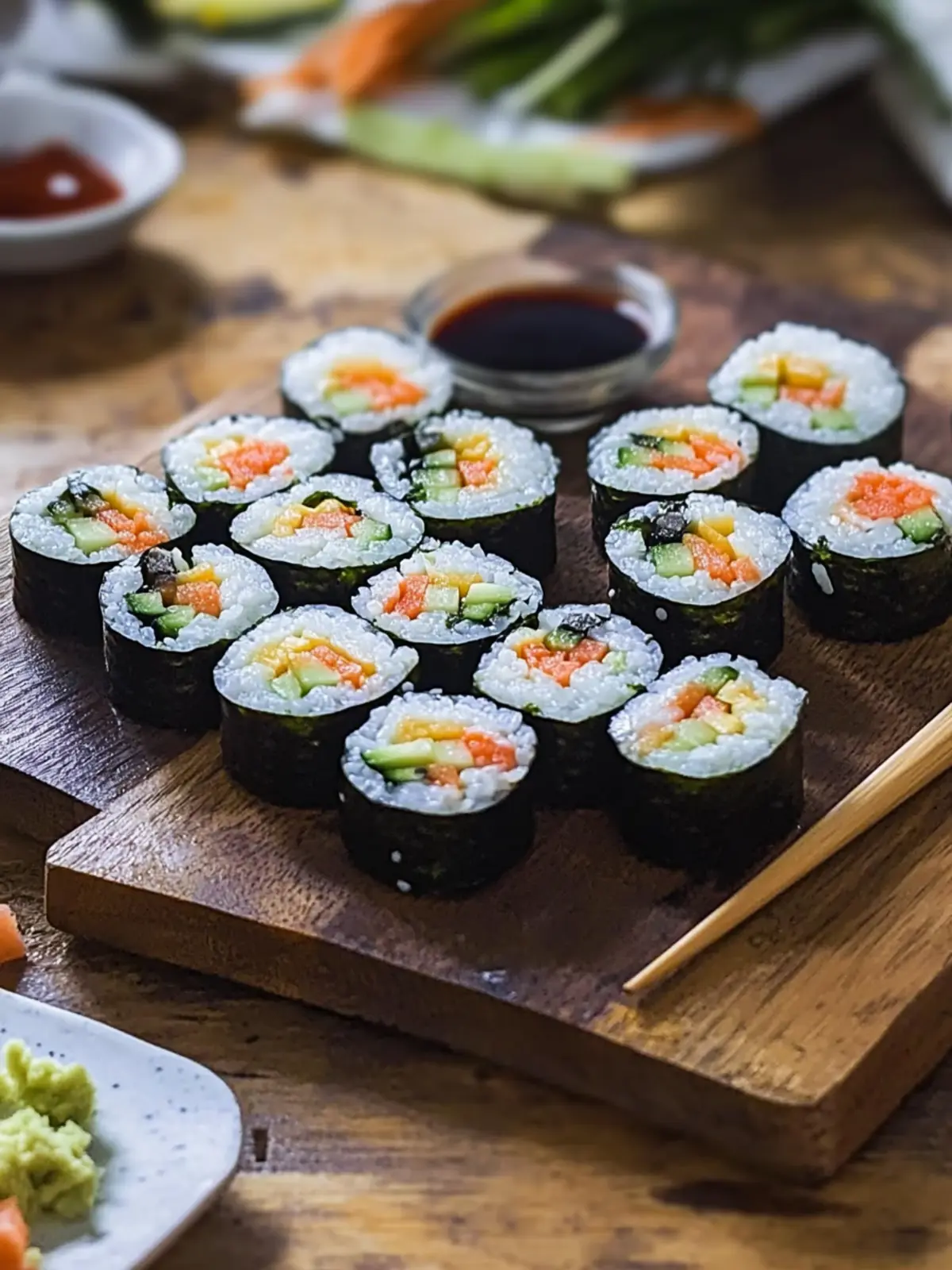
Gimbap Recipe FAQs
How do I choose the right rice for making gimbap?
Absolutely! Use non-glutinous rice for the best results it will provide the right stickiness needed to hold everything together while also enhancing the flavor. Avoid glutinous rice, which can make it too mushy and difficult to roll.
What s the best way to store leftover gimbap?
For refrigerator storage, place your leftover gimbap in an airtight container; it will stay good for up to 3 days. To preserve texture and prevent it from drying out, wrap individual pieces in plastic wrap before placing them in the container.
Can I freeze gimbap?
Very! To freeze, wrap each roll tightly in plastic wrap or aluminum foil, then place them in a freezer-safe bag. Gimbap can be stored in the freezer for up to 1 month. When you’re ready to eat, simply thaw them in the refrigerator overnight.
How can I troubleshoot if my gimbap keeps falling apart?
If your gimbap falls apart, it usually comes down to a couple of factors. First, ensure your rice is sticky enough; it should hold together well after cooking. Also, make sure you evenly distribute the fillings across the rice and roll it tightly, keeping everything secure inside. A light touch of water on the edges of the seaweed helps seal the roll.
Is gimbap safe for children and pets?
While gimbap is generally safe for children especially if you customize the fillings to avoid allergens be cautious with pets. The ingredients in gimbap, such as meats and seasonings, may not be suitable for all pets, especially if they contain garlic or onions. It’s always best to consult with your vet if unsure.
What should I do if my vegetables in the gimbap become too soggy?
Great question! To prevent sogginess, make sure to salt your cucumbers and let them drain properly before adding them to the gimbap. If you’re using carrots and other vegetables, consider sautéing or lightly frying them first to maintain their crunch.