
Delicious Pad Thai: Quick, Easy, and Customizable Dinner Delight
Last Updated on May 8, 2026 by juliarecipez
When the craving for something vibrant, flavorful, and utterly satisfying strikes, Pad Thai is my go-to dish. The moment those rice noodles hit the hot wok, the sizzle transforms my kitchen into a bustling Thai street food stall. The sweet, tangy aroma mingles with hints of garlic and cilantro, igniting a wave of anticipation. This quick and customizable recipe allows you to swap in your favorite protein be it succulent shrimp, tender chicken, or hearty tofu making it perfect for anyone s taste.
In less time than it takes to order takeout, you can whip up this delightful meal, bursting with flavors that dance on your palate. Versatile enough to incorporate whatever veggies you have on hand, this Pad Thai is a family favorite and a true crowd-pleaser. So, grab your ingredients, and let s create a dish that s sure to impress your taste buds will thank you!
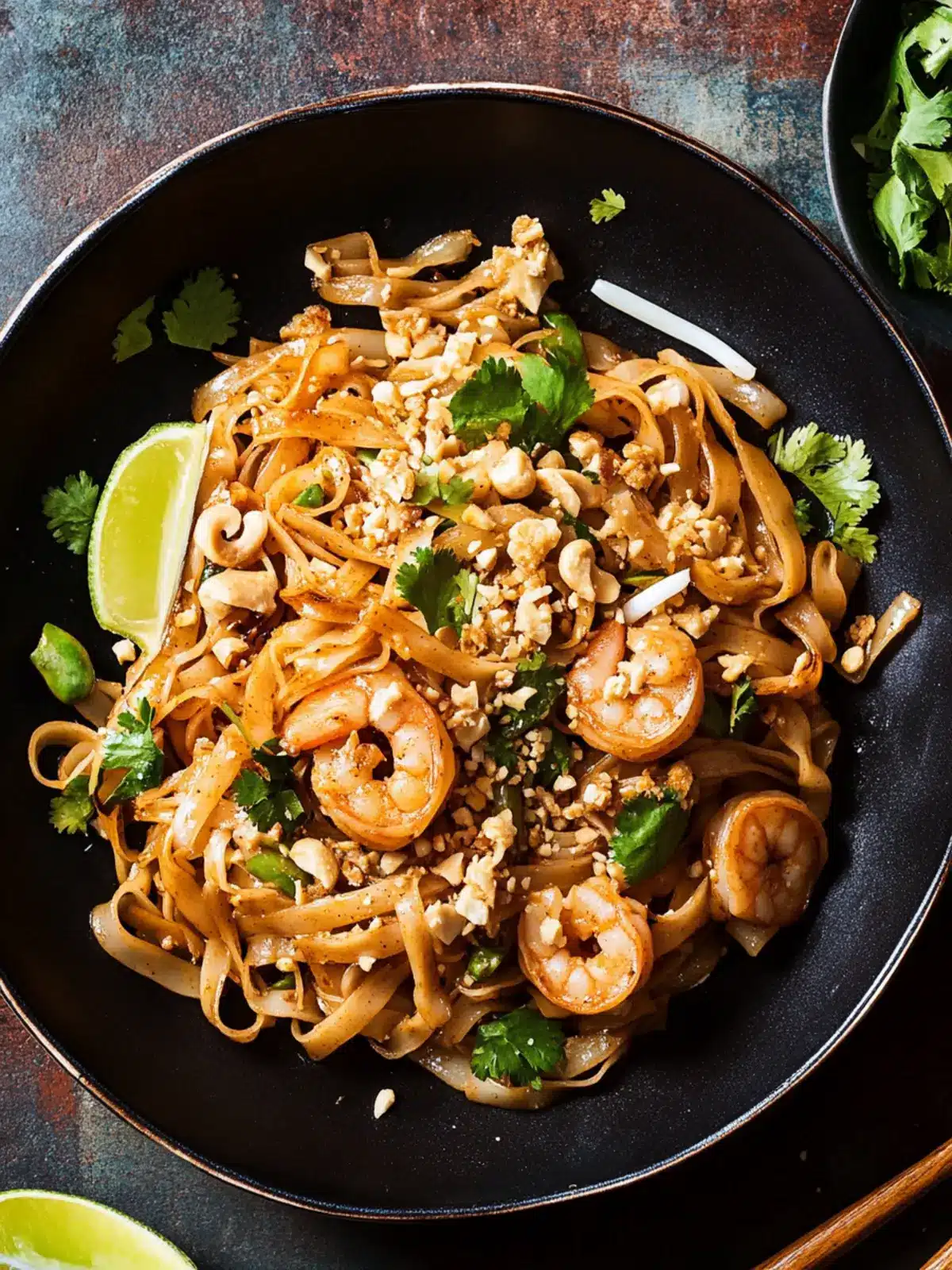
Why is Pad Thai a must-try dish?
Quick and Easy: This dish can be made in under 30 minutes, making it perfect for those busy weeknights.
Customizable Flavors: You have the freedom to swap proteins and veggies based on your preference, ensuring everyone at the table is satisfied.
Stir-Fry Simplicity: The straightforward cooking process means even novice chefs can impress with a restaurant-quality meal.
Flavor Explosion: Each bite is a delightful mix of sweet, salty, and tangy notes that will leave you wanting more.
Family Favorite: Kids and adults alike love this dish, making it a great option for family dinners or gatherings.
So why not elevate your weeknight meals with this delicious Pad Thai recipe? You ll also find that exploring different ingredient variations can keep your dinners fresh and exciting!
Pad Thai Ingredients
To prepare this vibrant dish, gather the following essentials:
For the Noodles
- Rice Noodles These are the foundation; use wide rice noodles for that classic Pad Thai texture.
- Peanut or Vegetable Oil This oil adds richness while frying; a splash of olive oil can work instead if you’re out.
For the Protein
- Medium Shrimp Provides delightful protein; feel free to substitute chicken or tofu for a different taste.
For the Egg
- Large Eggs Creates a rich texture; scramble them right into the mix for that authentic flavor.
For the Sauce
- Palm Sugar This sweetener balances the flavors; brown sugar is a suitable alternative if necessary.
- Thai Fish Sauce Offers a salty umami depth; swap it with soy sauce for a vegetarian twist.
- Tamarind Puree Lends tanginess; lime juice can serve in its place for a fresh alternative.
- Fresh Lime Juice Brightens every bite; don’t forget those lime wedges for serving!
For the Aromatics
- Cayenne Pepper Adds a pleasant kick; adjust to taste for the heat level you prefer.
- Medium Shallot Imparts aromatic depth; onions are a fine substitute if needed.
- Garlic Use fresh garlic for a fragrant base; it’s a must for that robust flavor.
- Scallions Provide freshness and crunch; chives can be a good alternative if you have them on hand.
For the Finish
- Bean Sprouts Add a crispy texture; feel free to omit if you can’t find them.
- Coarsely Chopped Peanuts Perfect for garnish and crunch; toasted peanuts can enhance the dish’s flavor.
- Coarsely Chopped Fresh Cilantro (Optional) Brings a burst of freshness; leave it out if you’re not a fan.
With this Pad Thai ingredient lineup, you’re all set to create a delicious meal that’s as fun to make as it is to eat!
How to Make Pad Thai
Soak Noodles: Place rice noodles in a heatproof bowl or large pot. Pour boiling water over them and let soak for 20-30 minutes, until they re tender yet firm to the bite.
Cook Shrimp: Heat 1 tablespoon of oil in a wok over high heat. Add the shrimp and cook for 2-3 minutes until they turn pink and opaque. Remove and set aside.
Scramble Eggs: In the same wok, add another tablespoon of oil. Whisk the eggs and pour them into the wok, scrambling until just set, about 1-2 minutes. Remove and mix with the shrimp.
Prepare Sauce: In a small bowl, whisk together palm sugar, fish sauce, tamarind puree, lime juice, cayenne, 2 tablespoons of oil, and 1 tablespoon of water until well combined.
Sauté Aromatics: Heat 2 tablespoons of oil in the wok over medium-high. Add shallots and garlic, cooking until golden, about 1 minute. Add scallions and sauté until tender, about 1-2 minutes.
Combine Ingredients: Pour in the sauce mixture and bring to a simmer. Add the soaked noodles, shrimp, and scrambled eggs; toss everything together until heated through, about 2 minutes.
Serve: Toss in bean sprouts and chopped peanuts. Divide into plates and finish with cilantro and lime wedges.
Optional: Squeeze extra lime juice over the top for added brightness.
Exact quantities are listed in the recipe card below.
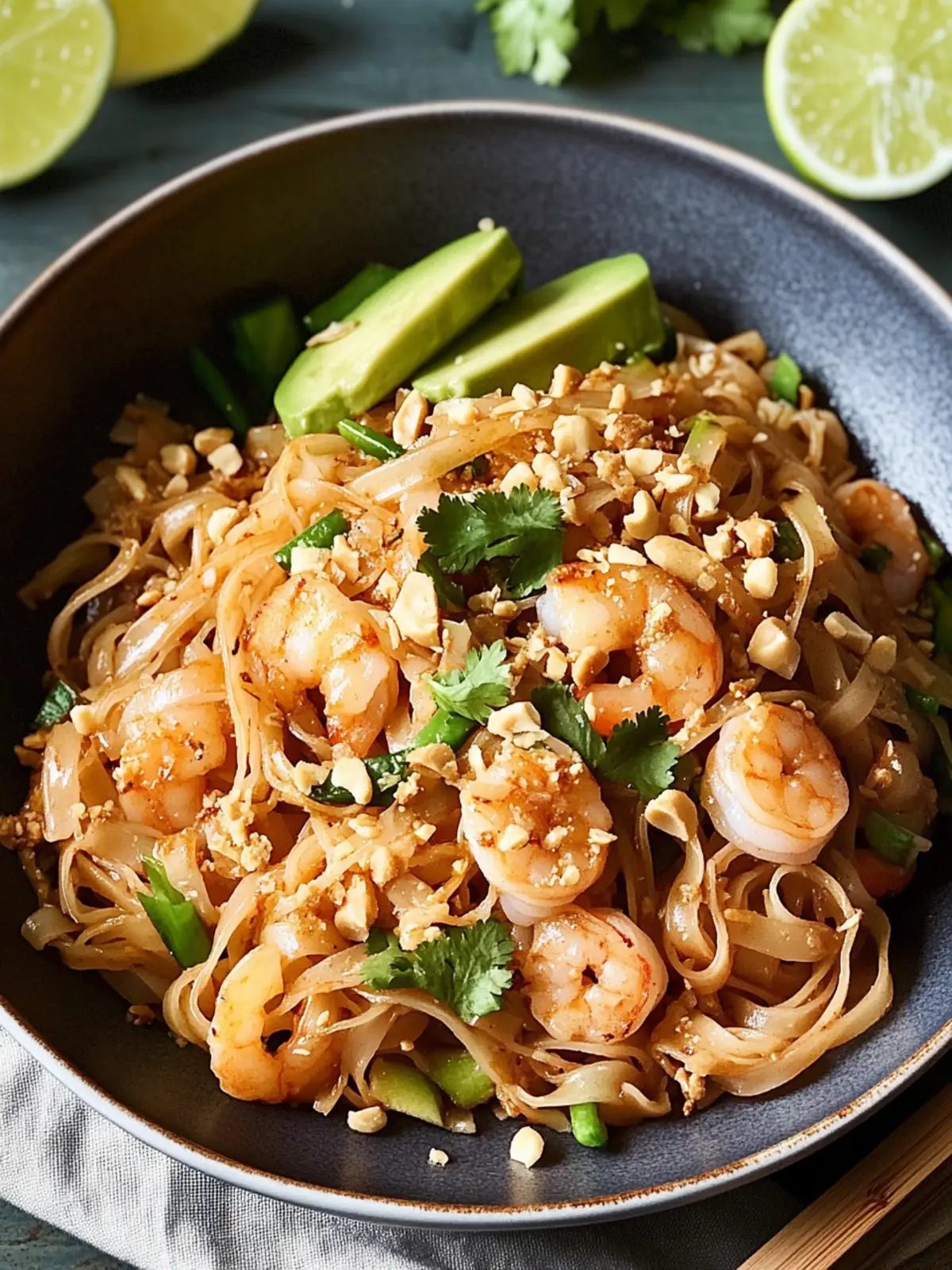
Helpful Tricks for Pad Thai
Soak Noodles Properly: Ensure the rice noodles are soaked in boiling water for 20-30 minutes; this prevents them from becoming mushy during stir-fry.
Customize Wisely: Don’t hesitate to swap proteins or vegetables! Your creative choices can enhance the dish and suit everyone’s tastes, all while keeping the Pad Thai spirit intact.
Control the Heat: Adjust the cayenne pepper based on your heat preference; taste the dish as you go to avoid overpowering flavors.
Use Fresh Ingredients: For the best taste, opt for fresh garlic, scallions, and cilantro. Dried herbs won’t deliver the same vibrant flavor.
Avoid Sticky Noodles: If using dried noodles, make sure to toss them quickly in the sauce with other ingredients to prevent sticking and ensure every bite is coated with delicious sauce.
Make Ahead Options
These Pad Thai ingredients are perfect for meal prep enthusiasts looking to save time during busy weeknights! You can soak the rice noodles and prepare the sauce up to 24 hours in advance. Just refrigerate the soaked noodles in a sealed container to prevent sticking. Additionally, you can cook the shrimp and eggs beforehand store them in the fridge for up to 3 days. When you’re ready to serve, simply heat the wok and toss everything together, adding the noodles, pre-cooked shrimp, and eggs before mixing in the bean sprouts and peanuts for that final crunch. This method ensures a quick yet delicious Pad Thai experience, bursting with flavor just like a freshly made dish!
What to Serve with Pad Thai?
To create a memorable meal around your delectable Pad Thai, consider these delightful accompaniments that enhance both flavor and experience.
Crispy Spring Rolls: These crunchy bites bring a delightful texture contrast and are perfect for dipping in sweet chili sauce.
Thai Cucumber Salad: A refreshing side made with thinly sliced cucumbers, herbs, and a tangy dressing, it balances the rich flavors of Pad Thai beautifully.
Steamed Edamame: These protein-packed pods offer a light, healthy contrast, making them an easy and enjoyable appetizer.
Sweet Coconut Sticky Rice: Pair your savory Pad Thai with a touch of sweetness; this creamy dessert perfectly complements the dish’s flavors.
Chilled Herbal Tea: Refreshing and fragrant, this drink adds a hint of tranquility to your meal while cleansing the palate.
Honey Garlic Chicken Skewers: Tender chicken with a touch of sweetness creates a harmonious blend with the salty undertones of Pad Thai, making it a pleasing duo.
Mango Salad: Bright mango slices tossed with herbs and citrus dressing introduce a sweet and zesty element that lifts the entire meal.
Elevate your dining experience by mixing and matching these sides to suit your preferences, turning a simple Pad Thai into an unforgettable feast!
How to Store and Freeze Pad Thai
Fridge: Store leftover Pad Thai in an airtight container for up to 2 days. When reheating, add a splash of water or broth to help revive the noodles’ texture.
Freezer: You can freeze Pad Thai for up to 1 month. Cool completely, then transfer to a freezer-safe container. Thaw it overnight in the fridge before reheating.
Reheating: To reheat, use a skillet over medium heat with a little oil, stirring frequently until heated through. This method helps maintain the dish’s original flavors and textures.
Pad Thai Variations
Feel free to get creative with this delightful dish and customize it to suit your taste buds!
- Protein Swap: Use chicken or tofu instead of shrimp for a different flavor profile. Each option brings its unique charm, making the dish just as scrumptious.
- Veggie Boost: Add thinly sliced carrots, bell peppers, or zucchini for extra veggies. A colorful medley will not only enhance your dish but also offer added nutrition.
- Gluten-Free: Substitute regular soy sauce with gluten-free tamari for a friendly version that everyone can enjoy. Your flavor won t suffer, and your dish will remain delicious!
- Sweetness Adjustment: If palm sugar is unavailable, feel free to use brown sugar or coconut sugar for a similarly sweet and rich flavor. Balance is key!
- Soy Sauce Twist: For a vegetarian option, swap fish sauce with a combination of soy sauce and a touch of lime juice. This will maintain that salty umami essence.
- Heat It Up: Add sriracha or chili flakes to kick the spice level up, allowing you to create the bold flavor profile that suits your palate.
- Herb Mix: Consider tossing in Thai basil or mint for an aromatic twist that elevates the flavors beautifully. The fresh herbs will offer a fragrant touch.
- Crunchy Delight: Instead of (or in addition to) peanuts, sprinkle sesame seeds or cashews as a topping for crunch and added richness. It ll add texture and flavor!
Embrace these variations and make your Pad Thai the star of your dinner table!
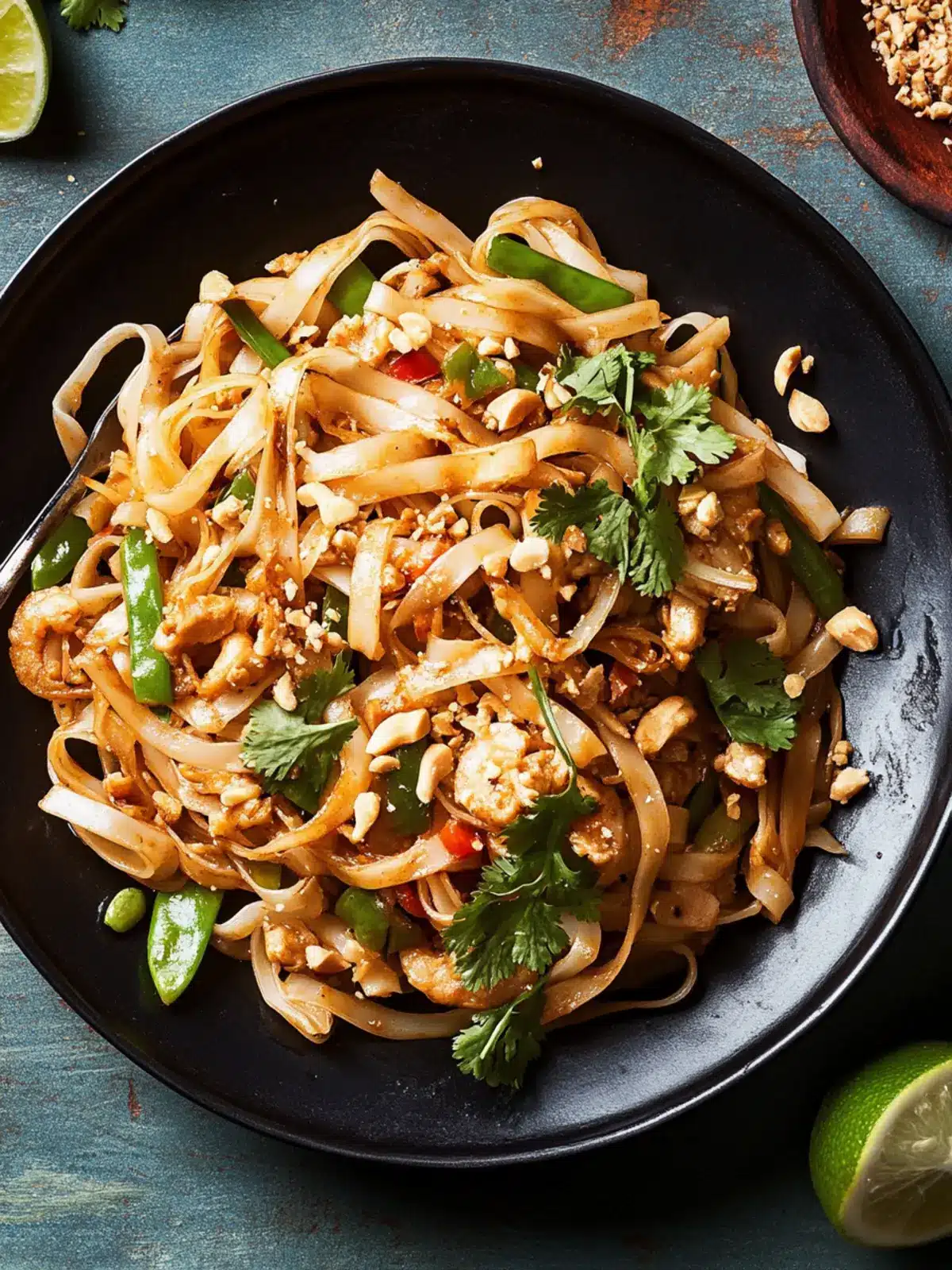
Pad Thai Recipe FAQs
What type of rice noodles should I use for Pad Thai?
I recommend using wide rice noodles for that authentic Pad Thai texture. If you’re looking for gluten-free options, simply substitute with gluten-free noodles available at your local store.
How should I store leftover Pad Thai?
Store your leftover Pad Thai in an airtight container and keep it in the fridge for up to 2 days. To maintain its deliciousness, reheat slowly, adding a splash of water or broth to help the noodles regain their original texture.
Can I freeze Pad Thai?
Absolutely! You can freeze Pad Thai for up to 1 month. Cool the dish completely, then transfer it to a freezer-safe container. When you’re ready to enjoy it again, thaw it overnight in the fridge, then reheat in a skillet with a little oil until heated through.
What can I do if my noodles become sticky while cooking?
To avoid sticky noodles, make sure to soak them properly in boiling water for 2030 minutes. When combining them in the wok with the sauce, toss them quickly to ensure an even coating while maintaining their texture. If they start to stick, adding a bit more oil can help separate them.
Can I make Pad Thai vegetarian or vegan?
Yes, you can easily customize it! For a vegetarian version, swap out shrimp for tofu and use soy sauce instead of fish sauce. To make it vegan, omit eggs or replace them with a vegan egg substitute, and check that your sugar is free of animal products.
What if I don’t have tamarind puree?
If you can’t find tamarind puree, don’t worry! You can replace it with fresh lime juice to add a tangy flavor. Just start with a smaller amount and adjust to taste, as it’s a bit different but still delicious.